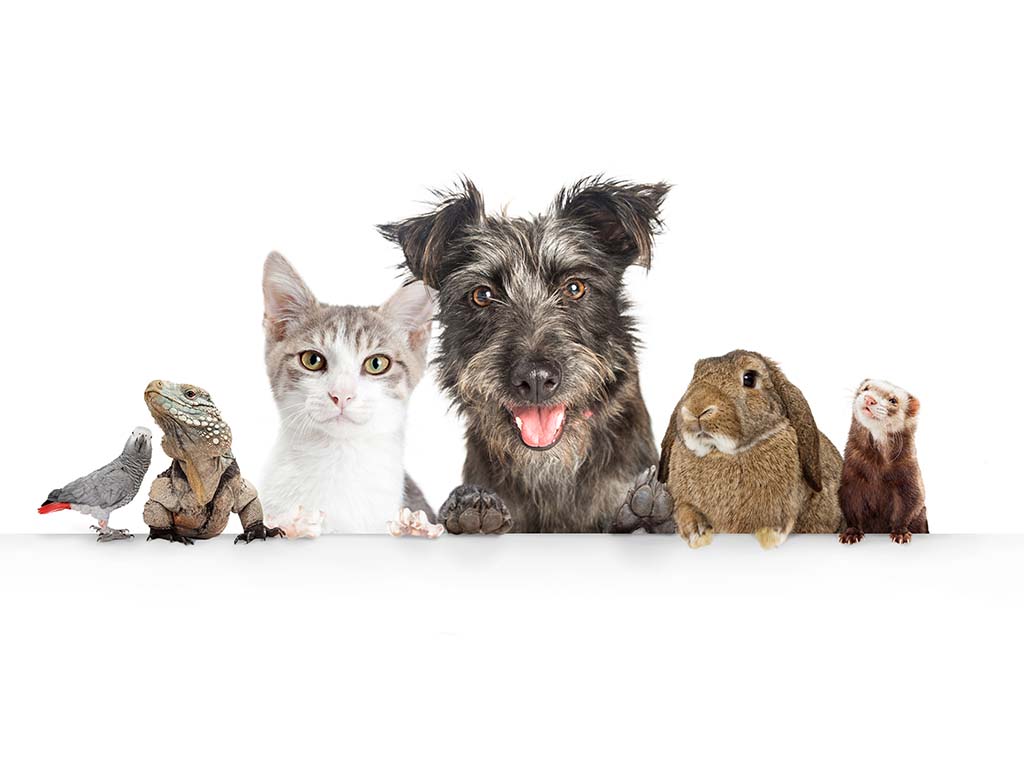
Vertebrate Zoology
Study Zoological Science and animal biology online. Learning the taxonomy and classification of birds, reptiles and mammals; their anatomy and physiology.








- Study Zoology to improve career opportunities, for professional development, or to simply persue a passion you have
- A course for people working in zoos or wildlife parks, animal rescue, conservation, environmental protection, park management, veterinary services etc.
- Self paced, flexible learning, 100 hr course
- Personal tuition from a team of qualified and experienced animal science experts from both Australia and the UK
If you want to spend the greater proportion of your working life actually with vertebrates, then one of the animal caring professions may be for you. This course will give you a thorough understanding of “higher” animals’ Zoology and Evolution, together with some principles on animal ecology and morphology. The course is also designed to further vertebrates knowledge for media and tourism professionals wishing to specialise in nature.
You will learn with the help of highly qualified and experienced tutors. The course is accepted by some animal health professional associations as points for their Continuing Education Recording Scheme, category “Correspondence courses”.
Aims
- Distinguish between major groups of vertebrates through a demonstrated understanding of their taxonomic classification and diversity.
- Describe the distinguishing characteristics of all major groups of fishes.
- Describe the distinguishing characteristics of all major groups of Ectotherms, Amphibians and Reptiles.
- Describe the distinguishing characteristics of major groups of birds
- Describe the distinguishing characteristics of all major groups of Mammals.
- Describe the distinguishing characteristics of animals in the order Marsupialia and compare mammalian specialisations with those of other vertebrates.
- Describe the distinguishing characteristics of animals within the grandorders Glires and Insectivora. Explain Ectothermy in a variety of different animals.
- Describe the distinguishing characteristics of animals within the order Carnivora.
- Describe the distinguishing characteristics of animals within the grand order Ungulata.
- Describe the distinguishing characteristics of animals within the grandorder Archonta.
What You Will Do
- Visit a Zoo, Wildlife Park or even a Pet Shop. Observe the range of animals present and report on them.
- Visit an aquarium supply shop, marine park, fish retailer, or other facility where you can observe fish. If your mobility is restricted or you are unable to locate such a facility, look at the web site of an aquarium, and see what diversity of animals is to be seen on that web site. Identify animals from different orders and report on them.
- Research the anatomical characteristics of one species of fish
- Investigate the biological characteristics of one species of amphibian
- Investigate the biological characteristics of one species of reptile
- Research the biological characteristics of one species of bird
- Observe the behaviour of a bird or birds for 1 hour (in the wild, or captivity). Take notes
- Investigate the biological characteristics of one species of mammal.
- Research a particular family or genus of marsupial.
- Visit either a pet shop or zoo and observe any animals from the Glires or Insectivora that you find there.
-
Observe a dog closely. Take note of its external features in the light of the things you
- have learned in this lesson. Notice the shape of the head, body and legs, the characteristics of the feet, etc. Make notes on your observations. Compile a scientific description of the anatomy of the dog you observed. Where possible, use technical terminology that you have learned during your course.
- Visit a farm, pet shop or zoo and observe any animals belonging to the grandorder Ungulata that you find there. Make a list of these animals.
- Research an order, family, genus or species of hooved Mammal (Ungulata).
- Investigate the characteristics of your chosen group of animals.
- Observe some monkeys and/or apes (in real life or on film or video). You might do this by visiting a zoo, watching a video or looking on the Internet. Make notes of any similarities and dissimilarities you observe between these animals and humans. Research their physical and behavioural characteristics with a view to comparing these with human characteristics.
Lesson Structure
There are 11 lessons in this course:
-
Vertebrate Taxonomy and Diversity Taxonomic classifications
- Phylum, Division, Class, Order, Family, Genus, Species
- Vertebrata, Chordata (chordates), Acrania, Urochordata (Tunicata), Ascidia, Synacidiae, Thaliacea (Salpae), Appendiculariae, Cyclostomata (Lampreys and Hagfish), Chondrichthyes (Sharks, Skates and Rays, Elephant Fishes), Osteichthyes (Bony Fishes) (Choanichthyes (Lungfish), Amphibia (Amphibians – Frogs and Toads, Newts and Salamanders, Caecilians), Reptilia (Crocodiles, Lizards and Snakes, Turtles and Tortoises, Marine Iguanas), Aves (Birds), Mammalia (Mammals).
- Morphology and Evolution
- Environmental and Genetic Influences
- Speciation, Diversification
- Convergence
- Food types and distribution
- Terminology.
-
Fishes: Fish Diversity - Covering major groups:
- Class Agnatha (jawless fishes),
- Class Chondrichthyes (cartilaginous fishes) and
- Class Osteichthyes (bony fishes).
-
Ectotherms –Amphibians and Reptiles:
- Definitions, Endothermy, Ectothermic, Tetrapods
- Urodela (Caudata) – Salamanders and Newts
- Order Anura (Salientia) – Frogs and Toads
- Order Apoda (Gymnophiona) – Caecilians
- Class Reptilia – Reptiles (turtles, lizards, snakes, crocodiles and the extinct Dinosauria)
- Order Rhynchocephalia – Tuatara
- Order Chelonia (Testudines) – Turtles
- Order Crocodilia – Crocodilians
- Order Squamata – Lizards and Snakes
-
Birds
- Physiology (Structure) and Anatomy, Feathers, Colour, Legs, Skeletal structure, Muscles, Senses,
- Behaviour (Flight, Diving, etc),
- Egg formation and Hatching.
- Bird Taxonomy
- Ratitae (flightless) birds;
- Carinatea (flying birds)
- Bird orders ( eg. Grebes, divers, Ducks, geese and swans, Storks, flamingos and herons, Owls, Eagles, falcons and hawks, Pelicans, gannets and cormorants,
- Chickens, turkeys, game birds and mount birds
- Rails, coots and cranes,
- Pigeons and sand grouse,
- Gulls, auks and plovers,
- Parrots, parakeets, Hummingbirds, swifts, Woodpeckers, toucans, Kingfishers, bee-eaters and hornbills, Trogonos, quetzals, plumed birds,
- Perching birds such as sparrows, starlings, swallows (Passeriformes),
- Diving birds, loons, Cuckoos, coucals Nighthawks, whippoorwills, Mousebirds, etc.
-
Mammals (Mammalia)
- Overview
- Taxonomy
- Sub classes Prototheria (egg laying animals)
- Subclass Metatheria (Marsupials) and
- Subclass Eutatheria (Placental mammals -these include such diverse forms as whales, elephants, shrews, and armadillos, dogs, cats, sheep, cattle, horses, monkeys and of course humans).
-
Marsupials
- Subclass Metatheria (eg. kangaroos, koalas, wombats, bandicoots, opossums, phalangers, etc)
- Physiology
- Locomotion
- Reproduction
-
Grandorders Glires and Insectivora
- Rodents, Rabbits, Pikas, Hedgehogs, Moles, Shrews and Tenrecs.
- Taxonomy
- Structure
- Adaptations.
-
Carnivores
- Dogs, wolves, bears, racoons, cats, weasels, hyenas, seals, sea lions and walruses.
- Taxonomy
- Physiology
- Adaptations
-
Hoofed Mammals (Ungulata).
- There are seven separate orders within Ungulata as follows:
- Order Artiodactyla. This includes: Hippopotamus, Deer, Giraffe, Sheep, Cattle, Antelope, Camelids
- Order Cetacea. This includes: Dolphins, Porpoises, Whales
- Order Perissodactyla. This includes: Horses, Rhinoceros, Tapirs
- Order Tubulidentata. This includes: Aardvarks
- Order Hyracoidea. This includes: Hyraxes (or Conies)
- Order Proboscidea. This includes: Elephants
- Order Sirenia. This includes: Manatees and Dugongs
-
Primates and other Archonta. This grand order is sub divided into four sub orders:
- Scandentia e.g. Tree Shrews
- Dermoptera e.g. Flying Lemurs, Colugos
- Chiroptera. This order comprises the bats.
- Primates (Or Order Primates and sub order Strepsirhini) e.g. humans, monkeys, apes and lemurs
- Problem-Based Learning Project
Accreditations
CAREER OUTCOMES
- Animal care-takers, fish, sharks, mammals, birds and primate care-takers
- Animal technicians and researchers
- Veterinary assistants, nurses and professionals
- Farming or Pet Industry
Aviaries and aviculture centres and companies
If you want to spend the greater proportion of your working life actually with vertebrates, then one of the animal caring professions may be for you. This includes such jobs as zoo keepers, aquaria keepers, aviaries, aviculture and fish culture centres and companies, animal breeders, farm workers, pet shop proprietors, nature park carers, animal technicians and animal researchers based at commercial research laboratories or universities, and veterinary staff.
Some of these jobs require minimal qualifications. All of these jobs require knowledge. This course is a good start, but further studies should normally follow.
Some vertebrates are "flagship species" for conservation projects (primates, aquatic mammals, African ungulates and carnivores, bears). So, any conservation/environment job is likely to have a vertebrate related component.
Media Jobs
There is considerable media interest in primates: television documentaries; scientific and popular journalism; photography. There are a number of courses in film-making, media studies, journalism and photography that your careers service can tell you about.
Tourism Jobs
SCOPE OF VERTEBRATE ZOOLOGY
This course gives you a framework for understanding the way they all fit together; the diversity withing different groups, and the things that are common between different species and genera within each group.
When you finish you will have a framework for understanding all of the different types of vertebrate animals, and the characteristics of each.
How are Marsupials Classified?
There are 250 species of Marsupial in total. The taxonomic relationships comprise the following groups:
North and South American Orders
These are different from Australasian orders because they have paired spermatozoa within the epididymis.
Order Paucituberculata
Family Caenolestidae includes 3 genera and 5 species of shrew or rat opossums from South America. These animals superficially resemble shrews. The rat opossums are grey-brown in colour and possess a non-prehensile tail. Their diet consists mainly of insects. They differ from most marsupials in that the females do not possess a pouch and males have paired sperm. Caenolestes spp live in wet high elevation forests of northwestern South America, while the other two species live in the Andes Mountains of Peru (Lestoros inca) and in the Southern islands off the Chilean coast (Rhyncholestes raphanurus).
Order Didelphimorphia
Family Didelphidae encompasses the American opossums, containing over 60 species. These are the marsupials that retain more primitive characteristics compared to the ancestor methaterian. Their habitat ranges from North, to Central and South America, down to Patagonia. Most are opportunistic omnivorous, feeding on a range of foods including insects, fruits, plants and other small animals. They can range in weight between 10 grams and 2 kilograms and have more teeth than any other land mammal.
They generally have a pouch, although this may be underdeveloped in some species. Their tail is prehensile, used for grasping branches when climbing. Some species show periods of inactivity during the colder months of the year (torpor). This species accumulate fat at the base of their tails to sustain them while inactive. They can be found in a range of different habitats from desserts to tropical forests, being burrowers and semi-arboreal. Male opossums are generally solitary by nature, whilst the females can live in small groups.
The Water Opossum, Chironectes minimus is the only marsupial adapted to water habitats such as freshwater streams and lakes and has an aquatic diet. It has webbed feet, water-repellent fur and both males and females possess a pouch. The pouch in the females is completely watertight. Females can dive for longer periods as the young can survive without oxygen for several minutes at a time. These animals are solitary and hunt at night feeding primarily on fish, crayfish, frogs, shrimp and some aquatic vegetation.
The Virginia Possum, Didelphis virginiana is the largest member of the Order and is found in North America. It is nocturnal and is well-known for its ability to feign death when faced with an apparent threat. This is believed to be an involuntary reaction which occurs when the Opossum is faced with an extreme threat. However, opossums can also react quite aggressively when threatened, by screeching and baring their teeth.
Order Microbiotheria
This order contains the family Microbiotheriidae. There is only one species in this family, the “monito del monte” (mountain little monkey -Dromiciops gliroides) that inhabits dense temperate wet forest of Southern Chile and Argentina. It feeds mainly on insects and small invertebrates on the ground and in trees as well as occasionally consuming fruit. It is nocturnal and semi-arboreal. The species is small in size, slightly larger than a mouse, has a well-developed pouch and a moderately prehensile tail which is able to store fat.
It is believed that this Order is more closely related to the Australian marsupials than the Paucituberculats and Didelphyimerophs.
Australasian Orders
Order Dasyuromorphia. Comprises the following families:
Family Dasyuridae. This family includes 61 species, amongst which there are the big Tasmanian devil Sarcophilus harisii, and the small mice-like quolls (Dasyurus spp), dunnarts and antechinuses. Their typical characteristics are 4 pairs pointed upper incisors 3 pairs pointed lower incisors, well developed upper and lower canines, 2-3 pairs upper and lower pre-molars and 4 pairs sharp upper and lower molars. They are therefore well equipped for biting and cutting a carnivorous and insectivorous diet. The marsupium is absent or not well developed. They live throughout Australasia in a range of habitats.
Family Myrmecobiidae. This family includes only one species, the Numbat (Myrmecobius fasciatus), which lives in arid woodlands in Western Australia. The species is characterised by 50-52 poorly developed teeth which are not used in eating except by the very young. It feeds almost solely on termites and has an extremely long tongue protruding from a pointed snout for this purpose. Numbats don’t have a pouch, their young cling to the mother’s fur while suckling from her teats. As opposed to most other marsupials, Numbats are diurnal, most active in the morning and afternoon, which matches the activity of their prey, the termites. They usually shelter in logs, burrows or tree hollows. The individuals are solitary in nature and occupy vast territories, with only male and female territories overlapping. Females usually give birth to four young which cling to her teats for around the first 6 months of life.
Family Thylacinidae. This family is comprised of one species, the now extinct Tasmanian Tiger or Thylacine (Thylacynus cynocephalus). This animal was once distributed across mainland Australia and Papua New Guinea, but was confined to Tasmania thousands of years ago, possibly due to competition with the Australian Dingo. Thylacines were believed to have become extinct in Tasmania due to hunting, disease, habitat modification and competition with wild dogs. The last individual died in captivity in Tasmania in 1936. The Thylacine was the largest of the modern carnivorous marsupials. It was dog-like in size and appearance, aside from its stiff tail and rear opening pouch. It was characterised by horizontal stripes running along its back and extremely powerful jaws. The Thylacine preyed on other marsupials, small rodents and birds.
Order Notoryctemorphia.
Family Notoryctidae. Only one genus, Notoryctes is represented in this family and order. There are two species within this Genus, the Southern Marsupial Mole (Notoryctes typhlops) and the Northern Marsupial Mole (Notoryctes caurinus), which are both found in sandy soils and shrub deserts of Western Australia. Marsupial moles burrow through the soil in search of larvae and worms. They are blind and lack external ears. They have a pointed head, strong limbs and large claws to assist with burrowing. They burrow shallowly through sand and soil in search of food, however it is believed that they dig deeper for sleeping quarters and to house young. Marsupial Moles are solitary animals and can come above ground, unlike other moles. This usually occurs after rain periods.
Order Peramelemorphia
Family Peramelidae. This group includes 3 genera and 19 species of bandicoots. Members of this family range in size from the very small Mouse Bandicoot of Indonesia, through to the rabbit-sized Giant Bandicoot which weighs around 4.5kg. Peramelids are omnivorous and long jawed, eating plant material and small insects and invertebrates. Because of this, their ecological range is wide, occupying a variety of habitats. Their main characteristics are 4-5 pairs of blunt upper incisors; 3 pairs of blunt lower incisors; 1 pair canines; 3 pairs of upper and lower premolars ;4 pairs of upper and lower sharp molars. The members of this family also have long hind limbs adapted for hopping and running. The pouch is well developed and opens at the back, an adaptation to their burrowing habit.
Family Thylacomyidae. This family includes two species of Bilby in the Genus Macrotis. One of which, the Lesser Bilby (Macrotis leucura) became extinct prior to European settlement. The surviving Greater Bilby or Rabbit-eared Bandicoot, Macrotis lagotis lives in arid Australia, occupying hummock and tussock grasslands and acacia shrublands. They are nocturnal, resting in burrows of up to 3 metres in length during the day. Bilbies are omnivorous, feeding on a range of prey including insects, larvae, spiders, and various vegetative matter. They are characterised by their very long ears and elongated nose. They also have strong forelimbs and thick claws for digging.
Family Peroryctidae. This family includes 4 genera and 11 species of Rainforest Bandicoots including small mouse type (17 cm) to giant bandicoots from New Guinea which can weigh around 5kg. They are nocturnal, terrestrial and solitary, adapted to life in the wet tropical rainforests. They feed on insects and plant materials and occupy a wide range of habitats.
Order Diprotodontia.
This is a wide order comprising 11 families and 120 species, amongst which there are the kangaroos, koalas, wombats and other herbivorous marsupials. They are terrestrial and arboreal, and may feed on plants, nectar or insects. As their name implies, all species are diprotodonts which means that they have a shortened mandible with the first pair of lower incisors enlarged to meet the upper ones. In many arboreal species, two feet toes oppose the other two, making it possible for them to hold to tree branches.
Family Phascolarctidae. This family consists of koalas species Phascolarctos cinereus. Koalas live in the Eucalyptus forest throughout eastern and southeastern Australia. Their name derives from the Australian Aboriginal name meaning “no drink” which refers to the fact that koalas gain their water from leaves. However, koalas have been observed to drink from water sources in times of extreme drought.
Koalas superficially resemble small bears, a characteristic observed in their name which refers to (phascolos = pouch + -arctos = bear). They are adapted to arboreal life with sharp claws for climbing trees. They are mostly nocturnal, and feed mainly on the leaves of Eucalyptus trees but also can feed on the stem, flowers and bark. Due to the low nutritional value of Eucalypt leaves, koalas spend the majority of their time sleeping and resting (up to 18 hours/day).
Their dentition characteristics are 3 pairs upper incisors; central pair are large and chisel shaped; 1 pair lower incisors which oppose upper incisors; 1 pair of upper canines; 1 pair of upper and lower premolars to strip leaves from lower branches; 4 pairs of upper and lower molars for chewing.
Their marsupium opens at the back, which points out to a burrowing ancestry, and they have vestigial tails. Males are larger than females, an example of sexual dimorphism (di- two; -morphism shapes). They can measure up to 60-80 cm and males weight on average 12 kg and females an average of 8 kg in Southern Australia. In Northern tropical and subtropical Australia they are smaller and lighter (an example of Bergmann’s rule), males weighing on average 6.5 kg and females an average of 5 kg. Their fur is also grey in colour, rather than brown and is thinner in the Northern warmer populations compared to the Southern ones.
Koalas were nearly extinct at the start of the 20th Century due to overhunting for their skins. Koalas were listed as a protected species in the 1920s to protect them from hunting. However, continual loss of habitat, and other threats such as attack by dogs, road collision mortality and diseases such as Chlamydia are still causing a decrease in koalas across the Australian mainland. In certain islands, for example Kangaroo Island, where they were introduced by man for their protection, their population has become too large, threatening Eucalyptus species, birds and their own survival. Management programs have been put in place in an attempt to control koala numbers on these islands, including fertility control programs and translocation of animals to the mainland.
Family Vombatidae. This family of two genera and three species is confined to Australia. They are the wombats. These include the Southern and Northern Hairy-nosed Wombats and the Common Wombat (Vombatis ursinis). Wombats are found in bushland and partly-forested areas of the southern half of Australia, with the Common Wombat being most widely distributed. Wombats have a stout body, very strong legs and claws which assist with digging. They are herbivorous, feeding on grasses, sedges, roots and shrubs and rest in burrows which they excavate. The wombat’s teeth are rootless and grow continuously throughout life. They can reach over a metre in length and weigh up to 35 kg. Females usually give birth to a single young, which grows inside their well-developed backward facing pouch. Wombats are nocturnal and crepuscular (feeding in the late afternoon and early morning).
The Northern Hairy-nosed Wombat is listed as “critically endangered” by the IUCN due to its limited numbers and it’s restriction to a small nature reserve (32km2) in Queensland, Australia.
Family Macropodidae. This includes kangaroos, wallabies, tree kangaroos and pademelons. They include 11 genera and 54 species. Their weight varies in range from 1kg to 80 kg. They are mainly herbivorous, grazing on almost all terrestrial habitats from desert to rainforests. Macropods have emulated the ruminants, such as cows in their development of their stomach. As herbivores, they possess a specialised digestive system, with a large stomach containing microflora that aids digestion. They have a straight row of cutting teeth at the front of their mandible, no canines, and flat molars that when they are worn out due to the use, they starve.
Even though they vary in size, most Macropods have large hind legs, large hind feet and a strong powerful tail. This tail is used for various purposes, in the larger Kangaroos such as the Red Kangaroo (Macropus rufus) such as a counter-balance when hopping and for balance when standing erect. The strong hind legs provide economical energy use for travelling long distances in the larger kangaroos.
Family Phalangeridae. This family includes 3 species of brushtail possums, the scaly-tail possums, both living only in Australia, and 14 species of cuscuses distributed across Australia, New Guinea and many smaller islands. The Phalangerids are generally larger than other possums, the largest member, the Black-spotted Cuscus (Spilocuscus rufoniger) weighing around 5 kg and are stockier in body shape than other possums. They are nocturnal and most species are arboreal. They are herbivorous, feeding mainly on leaves, fruits and flowers, however the Brushtail Possum does sometimes feed on the ground. Females of this family have a well-developed pouch and usually raise 1 to 2 offspring at a time, less than other possums. The representatives of this family cover a wide range of habitats from tropical Rainforests to alpine woodlands in southern Australia.
Family Petauridae. This family includes 5 species of wrist-winged gliders, the Leadbeater’s Possum (Gymnobelideus leadbeateri) and 4 species of striped possums. Members of this family cover a range from southern Australia to Papua New Guinea. Most of the member of this family have a dark dorsal stripe running from it’s head to it’s vestigial tail. The marsupial gliders have “wings” (called patagium) that connect wrists to ankles. The Striped Possums do not possess a gliding membrane. Most of the family members show nocturnal arboreal habits, and a pouch that may be segmented in two halves by a septum. They can be insectivorous or herbivorous, feeding on nectar and sap by creating wounds in the trees. Striped-Possums have an elongated fourth digit, specifically used to extract insects from bark. Some species are endangered, like the Leadbeater’s opossum.
Family Pseudocheiridae. This family includes 5 genera and 14 species of ringtail possums related closely to the Petauridae family in which they were previously included. They inhabit forested areas from Australia, New Guinea and nearby islands. They are nocturnal, specialised herbivores, with teeth adapted to chew leaves and a simple stomach but a large caecum where vegetative material is digested with the aid of bacteria. Pseudocheirids are smaller in size than the Phalangerids weighing between 200gms and 2kg and have opposable first toes on their hind feet for grasping on to branches when climbing. As they are arboreal, all species (excluding the Greater Glider Petauroides volans) have a long, prehensile tail. The Greater Glider possesses a gliding membrane and a long tail. It has evolved a specialised digestive system which enables it to digest the toxins and oils of eucalypt leaves.
Family Burramyidae. This family includes the pigmy possums. There are two genera (Burramys spp and Cercartetus spp) and five species. Their range covers Australia and Papua New Guinea. The adult weight is between 6 to 50 g, and their body length is a maximum of 12 cm. Like other arboreal possums, they have a long prehensile tail. They are omnivorous, their diet consists of insects, nectar, fruits, seeds and pollen. They are characterised by their large eyes, short snout and short rounded ears.
Family Acrobatidae. This family includes 2 species of feather-tailed marsupials, one Australian glider (Acrobates pygmaeus) and the other, New Guinean possum (Distoechurus pennatus). They have long stiff feather like hairs on their tails, are nocturnal and arboreal, and small. The gliding membrane, patagium extends from elbow to ankle in Acrobates, this is lacking in Distoechurus, however, it is believed that it may have been present in ancestors of the species.
Family Tarsipedidae. Only one species exists in this family, the honey or Noolberger possum (Tarsipes rostratus). It feeds exclusively on nectar and pollen that collects foraging on the ground. It has a pointed snout and brush like tipped tongue, similar to hummingbirds. The female is larger than the male, 12 g and 9 g body weight. They show two striking characteristics: they give birth to the smallest mammalian young, not more than 5 mg, and have the longest sperm, around 0.3 mm. It lives in South Australian forests and shrubs.
Where will this course lead?
Zoology is a field which is changing and adapting in response to the factors affecting our wildlife today. For this reason, job opportunities in this field will be highly varied in the future so current students need to "think outside the box".
Employment opportunities exist in Private Organisations, Government Departments, Public Agencies, Scientific Organisations and Academic Institutions.
The following are just some of the areas where opportunities in Zoology may be found in the future:
- Government Departments (e.g. Environment and Conservation; Agriculture; Water; Planning; Local Council)
- Research in universities and scientific organisations
- Fisheries
- Aquaculture
- Resources
- Agriculture
- Museums
- Zoos
- National Parks
- Conservation
- Wildlife management
- Environmental regulation
- Environmental legislation
- Animal breeding and genetics industry
- Inspection
- Management
- Wildlife refuge
- Biotechnology
- Education
Some of these jobs require minimal qualifications. All of these jobs require knowledge. This course is a good start, but further studies should normally follow.
Enrol using the automated procedure on this site or contact us via phone or email to ask questions and enrol with a real person.
You can enrol at anytime and start the course when you are ready. Enrolments are accepted all year - students can commence study at any time. All study is self paced and ACS does not set assignment deadlines.
Please note that if a student is being assisted by someone else (e.g. an employer or government subsidy), the body offering the assistance may set deadlines. Students in such situations are advised to check with their sponsor prior to enrolling. The nominal duration of a course is approximately how long a course takes to complete. A course with a nominal duration of 100 hours is expected to take roughly 100 hours of study time to complete. However, this will vary from student to student. Short courses (eg. 100 hrs duration) should be completed within 12 months of enrolment. Certificates, Advanced Certificates and Awards (eg. over 500 hours duration) would normally be completed within 3 -5 years of enrolment. Additional fees may apply if a student requires an extended period to complete.
If a student cannot submit their assignments for 6 months to ACS, they should advise the school to avoid cancellation of their student
registration. Recommencement fees may apply.
Simply click on the ENROL OPTIONS button at the top of this screen and follow the prompts.
You can see the course price at the top of this page. Click 'enrolment options' to see any payment options available.
You can pay by Credit Card, PayPal, Afterpay or bank transfer.
Yes! We have payment plans for most courses. Click 'enrolment options' to see the available payment plans.
We also have Afterpay that will allow you to pay for your course or payment plans in four instalments (if you are in Australia).
There are no entry requirements that you need to meet to enrol in our courses, our courses are for everyone.
If you are under 18, we need written permission from your parent/ guardian for your enrolment to continue, we can arrange that after you have enrolled.
You don’t need to purchase any additional resources to complete our courses.
What do I need to know before I enrol?
We aim to teach you the essentials without you having to purchase any specific computer program.
We recommend that you have access to a word processing program, such as Microsoft Word or Google Docs, so that you can easily complete and submit your assignments.
You sure can. We are here to help you learn whatever your abilities.
Yes, if you are enrolling in a Certificate or Advanced Certificate, you might be eligible for credits if you have evidence of your previous studies or relevant experience. More information is here.
We recommend that you are able to browse websites, send emails and conduct online research. You will need to be able to type and submit your assignments.
If you have limited computer skills, we can make special arrangements for you.
This is possible, it depends on the institution. We recommend that if you would like to use our courses that you contact the institution first. Our Course Handbook is a good resource for this.
Our courses are written in English and we only have English speaking academic staff. If you can read and complete your assignments in English, our courses are ideal for you.
Our courses are designed to build knowledge, hands on skills and industry connections to help prepare you to work in the area, running your own business, professional development or as a base for further study.
This course has been designed to cover the fundamentals of the topic. It will take around 100 hours to complete, which includes your course reading, assignment work, research, practical tasks, watching videos and anything else that is contained in the course. Our short courses are a great way to do some professional development or to learn a new skill.
It’s up to you. The study hours listed in the course are a rough guide, however if you were to study a short course (100 hours) at 10 hours per week, you could finish the course in 10 weeks (just an example). Our courses are self-paced, so you can work through the courses in your own time. We recommend that you wait for your tutor to mark and return your assignment before your start your next one, so you get the benefits of their feedback.
The course consists of course notes, videos, set tasks for your practical work, online quizzes, an assignment for each lesson (that you receive feedback from your tutor from) and ends in an exam (which is optional, if would like to receive the formal award at the end), using our custom built Learning Management System - Login.Training.
Our courses are designed for adults to gain professional development and skills to further their careers and start businesses.
Our custom online learning portal allows you to conduct your learning online. There may be practical tasks that you can do offline. You have the option of downloading your course notes or print them to read later.
There is also the option to pay an additional fee for printed course notes and or USB (availability limited to location and deliverability).
Yes, if you don’t have access to the internet, you can receive the course as paper notes or on a USB stick for an additional fee. We can also make alternative arrangements for you to send your assignments to us.
We offer printed notes for an additional fee. Also, you can request your course notes on a USB stick for an additional fee.
Yes, your tutor is here to help you. Simply post any questions you have in your login.training portal or contact the office and we can pass on a message to your tutor.
We are more learning focussed, rather than assessment focussed. You have online quizzes to test your learning, written assignments and can complete an exam at the end of the course (if you want to receive your certificate). You will not receive a pass/ fail on your course work. If you need to add more details on your assignment, we will ask you to resubmit and direct you where you need to focus. If you need help, you can ask your tutor for advice in the student room.
Each module (short course) is completed with one exam.
Exams are optional, however you must sit an exam if you would like to receive a formal award. You will need to find someone who can supervise that you are sitting the exams under exams conditions. There is an additional cost of $60 incl. GST for each exam.
More information is here
There are practical components built into the course that have been designed to be achieved by anyone, anywhere. If you are unable to complete a task for any reason, you can ask your tutor for an alternative.
When you complete the course work and the exam and you will be able receive your course certificate- a Statement of Attainment. Otherwise, you can receive a Letter of Completion.
You can bundle the short courses to create your own customised learning bundle, Certificates or Advanced Certificates. More information is on this page.
Yes, our courses are built to be applicable for people living anywhere in any situation. We provide the fundamentals, and each student can apply their own unique flair for their own interests, region and circumstances with the one-on-one guidance of a tutor. There is also a bit of student directed research involved.
Employers value candidates with industry skills, knowledge, practical skills and formal learning. Our courses arm you with all of these things to help prepare you for a job or start your own business. The longer you study the more you will learn.
ACS has an arrangement with OAMPS (formerly AMP) who can arrange Professional Indemnity from Australian and New Zealand graduates across all disciplines. Ph: 1800 222 012 or email acs@oamps.com.au.
Who are ACS Distance Education?
ACS Distance Education have been educating people for over 40 years.
We are established and safe- we have been in education for over 40 years.
We are focused on developing innovative courses that are relevant to you now and what you will need to know in the future.
We are focused on helping you learn and make the most of your experience.
You can enrol at any time, you can work on your course when it suits you and at your own pace.
We are connected to many industry bodies and our staff participate in continuous improvement and learning activities to ensure that we are ahead of what learning is needed for the future.
Our courses are not accredited by the Australian Government. However many of our courses are recognised and held in high regard by many industry bodies.
Our courses are written by our staff, who all have many years experience and have qualifications in their speciality area. We have lots of academic staff who write and update our courses regularly.
How do I enrol my staff/ sponsored students?
Yes, you can do a request for a bulk enrolment and request an invoice on our Invoice Request Form
We can prepare an invoice, quote or proforma invoice. Simply complete your details on our Invoice Request form
We can arrange bulk discounts for your course enrolment, please get in touch with us to discuss your needs.
Yes, we have many students who are in locked facilities, such as prisons or hospitals. We can cater by also offering paper notes at an additional cost.
What if I have any more questions or need more information?
We can assist you to find the right course for your needs. Get in touch with us via email (admin@acs.edu.au) call on +61 7 5562 1088 or complete our course advice form.
What if I change my mind?
Please get in touch with studentservices@acs.edu.au if you would like to be removed from our mail list.
If you would like ACS Distance Education to delete your information at any time (whether you are a customer or a prospective customer), please contact our privacy officer and we will process this ( admin@acs.edu.au ).
If students require a reproduction of their certificate, an electronic copy can be provided at a cost of AUD$35 incl GST. Printed copies are not available.
Course Contributors
The following academics were involved in the development and/or updating of this course.

Dr Robert Browne
Zoologist, Environmental Scientist and Sustainability, science based consultancy with biotechnology corporations. Work focused on conservation and sustainability.
Robert has published work in the fields of nutrition, pathology, larval growth and development, husbandry, thermo-biology, reproduction technologies, and facility design.Robert has B.Sc., Ph, D.

Alison Pearce
University Lecturer, Quality Assurance Manager, Writer and Research Technician. Alison originally graduated with an honors degree in science from university and beyond that has completed post graduate qualifications in education and eco-tourism. She has managed veterinary operating theatre, responsible for animal anesthesia, instrument preparation, and assistance with surgical techniques and procedures.

Jade Sciascia
Biologist, Business Coordinator, Government Environmental Dept, Secondary School teacher (Biology); Recruitment Consultant, Senior Supervisor in Youth Welfare, Horse Riding Instructor (part-completed) and Boarding Kennel Manager.
Jade has a B.Sc.Biol, Dip.Professional Education, Cert IV TESOL, Cert Food Hygiene.
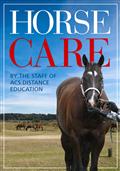
Horse Care
This book is an accumulation of information from biology, agricultural science and veterinary medicine. It looks to explore and explain the fundamentals of appropriate horse care aims and techniques. In doing so it will consider horsemanship as a combination of art and science.

Caring for Dogs
Covers Breeds, Creating a healthy home for dogs, legal issues, dog biology, recognising poor health, parasites, illnesses, nutrition, reproduction, dog psychology, behavioural development, training tips, behaviour problems, grooming, working in the dog industry, and more. This is a book for dog owners, students and anyone interested in working with dogs. 79 pages, 71 colour photos.
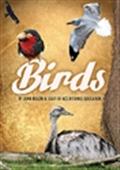
Birds
Learn what is different between the 29 different orders (groups) that birds belong to. Well over 100 stunning colour photos, 117 pages and lots of information
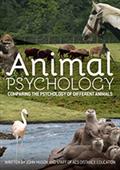
Animal Psychology
Animal Psychology- Comparing the Psychology of Different Animals gives an interesting insight into animal behaviour and and animal psychology.
Ideal for students who are studying animals, animal lovers, pet owners and professionals who work with animals.
(aud)$836.00