Urban Planning for Wildlife
Research in the United States has found that the rapid consumption of land for urbanisation in US metropolitan areas could threaten the survival of nearly one out of every three imperilled species. Many governments worldwide are facing the same issue and urban planning must take wildlife into consideration. Threats to wildlife in urban areas include:
🌎 Urban pollution
🌎 Physical threats – motor vehicles, cats, dogs and people themselves
🌎 Lack of suitable habitat
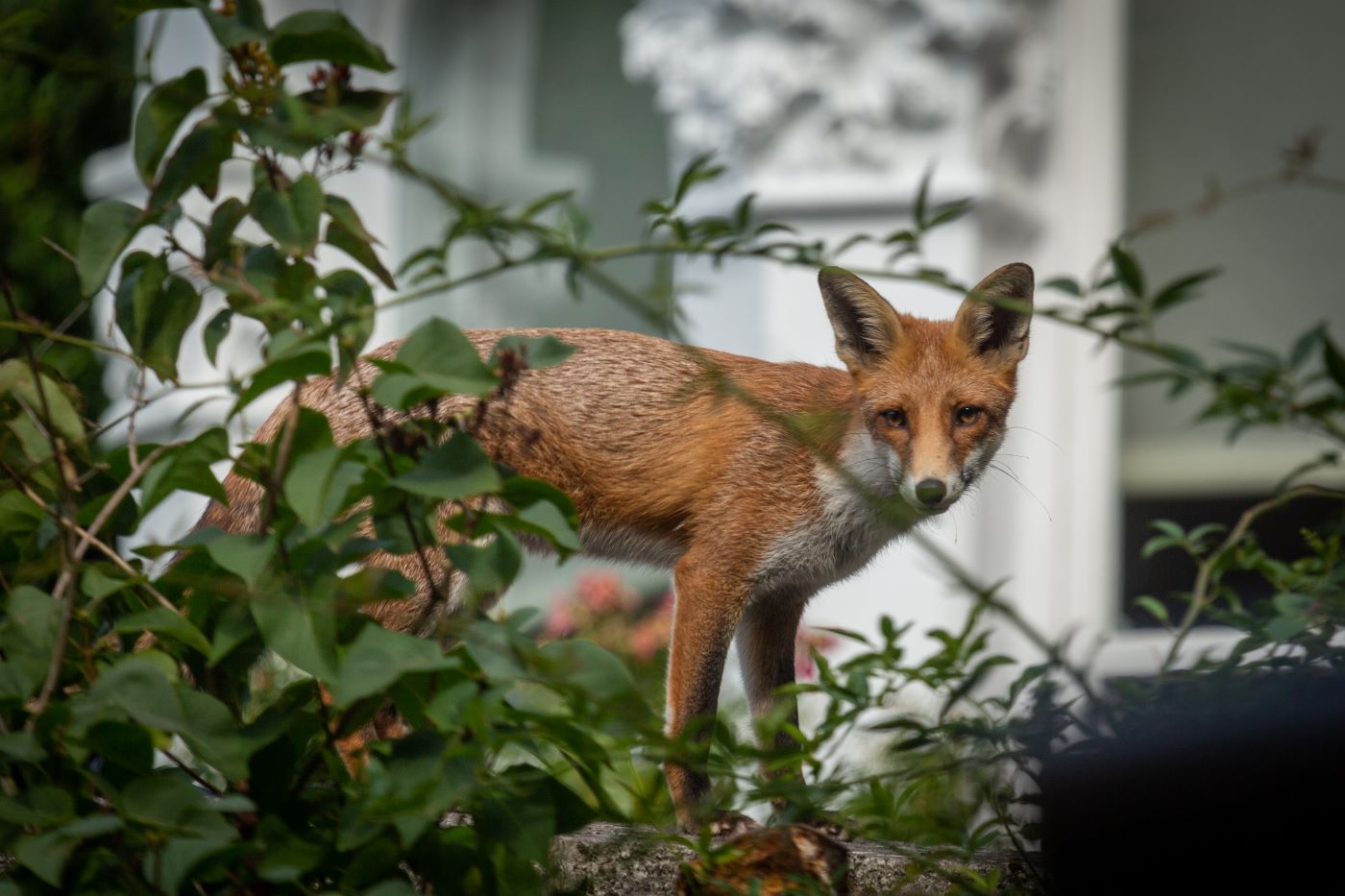
🌎 Introduced species – e.g. weeds and introduced predators such as foxes
🌎 Urban lifestyles – large use of insecticides etc.
There are various ways in which wildlife can be catered for in urban planning. These include:
🌎 Enhancing and maintaining green space
🌎 Minimising noise and odour impacts where possible.
🌎 Provide education to community members on how to cater for wildlife.
🌎 Involve community members in the monitoring of wildlife in urban areas.
🌎 Manipulate plant structures to cater for wildlife e.g. providing multiple layers of shrubs and trees to provide cover and habitat for various bird species.
🌎 Providing alternative routes for wildlife movement through urban areas.
🌎 Providing artificial breeding, roosting and nesting sites for wildlife.
🌎 Providing feeding stations for birds in conjunction with appropriate vegetative cover to encourage native birds
🌎 Reducing air, land and water pollution from urban areas.
🌎 Placing restrictions on domestic pet movement by night to reduce their impact on native wildlife.