Deciding What to Do
Despite concerns about availability and environmental impact of synthetic fertilisers and pesticides, it can be difficult to decide what to do. There are reasons why a garden enthusiast may continue to choose to employ nonorganic practices and synthetic chemicals in their horticultural repertoire, even if on a reduced level.
For example, synthetic fertilisers and pesticides can be highly effective in controlling pests and diseases, and for promoting plant growth. They are also often relatively cheap in the short-term, require less planning, and have been used by generations of successful gardeners – so why break with tradition? For these, and other reasons, many people are reluctant to change their ways.
Nevertheless, even if you are not a full-blown supporter of organic conversion, the evidence continues to mount that overuse of chemicals is likely not sustainable. |
|
|
|
Differences between Organic Gardening & Conventional Gardening
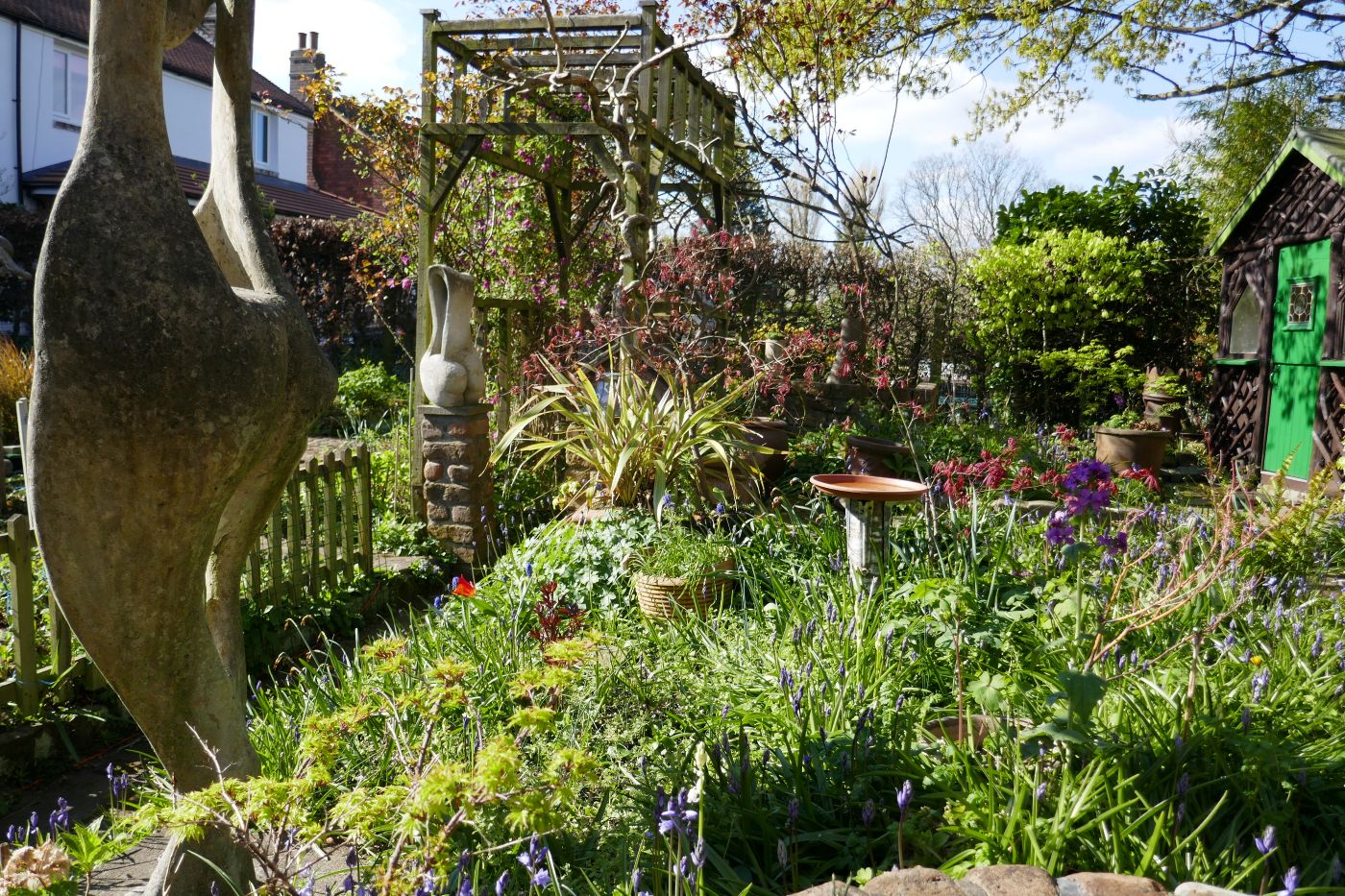
Whilst it’s true that organic gardening avoids the use of synthetic fertilisers, pesticides, and other chemicals, it's not simply a matter of ‘using’ or ‘not using’ chemicals. What sets organic gardening apart from conventional approaches is its holistic view of the entire ecosystem, including soil, plants, animals, and microorganisms. It is guided by principles and standards that emphasise sustainability, environmental care, and social responsibility.
Some people confuse organic gardening with permaculture, but there are nuances that separate them. To summarise: Permaculture is a broad design philosophy that seeks to create sustainable, regenerative systems by working with the patterns found in natural ecosystems.
Organic gardening is a specific growing approach that emphasises sustainability, soil health, and environmental stewardship while avoiding synthetic fertilisers and pesticides.
Conventional gardening typically relies on a wider range of synthetic fertilisers, pesticides, and other chemical inputs to promote plant growth, manage pests and diseases, and maximise yields. This approach often prioritises efficiency, productivity, and cost-effectiveness. |
|
|
|
Feature
| Organic Gardening | Conventional Gardening |
|---|
| Appearance | Less tidy looking. May work better with the aesthetics of informal garden design. | Can look more manicured to better suit a formal or semi formal landscape design, rather than organics. | | Biodiversity |
Prioritises high biodiversity, fosters diverse animal life and stable soil microbiomes. Influenced by personal preference. |
Tidy, monoculture-based gardening is better suited to chemical-dependent, nonorganic practices than to biodiverse gardening. Beneficial insects may be harmed and biodiversity reduced. | | Cost | Relies on nature to do the work. If high knowledge is applied you can lower maintenance and reduce costs in the long run. | Often more work, more cost; requires commercially made fertilisers and chemicals. | | Environmental impact | Generally sustainable; promotes biodiversity and sequesters carbon. Should never cause deterioration. | High risk of nutrient run-off, pollution, and long-term soil degradation if misused. | |
Genetically modified organisms (GMO’s) | Strictly forbidden under organic practices. Avoids risk of contamination of non-GMO crops by cross pollination. | Commonly used to enhance yield, nutritional content, shelf-life, drought tolerance, or for pest and disease resistance. | | Nutrient release |
Usually slow release; broken down by microbes over time. Provides a more sustained and balanced nutrient supply. | Usually fast release; immediately available to plants. Can cause over-fertilisation and environmental pollution. | | Nutrient sources | Natural, organic sources: Compost, manure, green manure, crushed rock powders, microbial inoculants.
| Synthetic/chemical: Manufactured NPK fertiliser, urea, ammonium nitrate. | |
Productivity and growth | Slower, more natural growth cycle. May be less productive initially but more dependable and sustainable long-term. | Faster, high-volume, closer to perfect growth. May be more difficult to sustain in the long term. | | Plant health
| Integrated pest management (IPM): Natural methods i.e. biodiversity, beneficial insects, birds, animals, pheromones. Balances systems instead of promoting 100% eradication. Reduces human intervention. | Synthetic pesticides, herbicides, and fungicides to aim for total elimination. More dramatic fluctuations of pest and disease populations. Action more immediate and forceful. | | Soil health |
Improves soil structure and stability, boosts microbial life, and increases organic matter minimising chemical fluctuations (buffering). | Soil is less stable - depletes soil organic matter and reduces microbial life over time, with increased nutrient imbalances and toxic fertiliser build-up.
| | Human health |
Produce grown in organic gardens or farms may be healthier for people to consume due to limited exposure to chemicals. | Produce grown in conventional growing systems may contain chemical residues that might pose risk to human health. | | Water usage | Better moisture retention due to improved soil organic matter from mulching and composting. | Often requires more water management to avoid leaching nutrients. | | Weed control |
Mechanical (hoeing, digging, slashing), flame weeding, mulching, solarisation, crop rotation. | Chemical herbicides. |
|
|
|
|
The Middle Ground Although it’s tempting to view organic and conventional practices as distinctly different, there are some areas where they are similar. For example, Integrated Pest Management (IPM) is a holistic approach to managing pests and diseases that can be used in both organic and conventional systems.
IPM uses a combination of techniques to manage pests and diseases effectively, efficiently, and with minimal environmental impact. These techniques include: Cultural controls (e.g., pruning, sanitation) Biological controls (e.g., beneficial insects, parasites) Physical controls (e.g., traps, barriers) Chemical controls (e.g., pesticides, but only as a last resort)
In organic systems, IPM is used to manage pests and diseases without synthetic pesticides, relying instead on products derived from natural sources. In conventional systems, IPM may involve the use of synthetic pesticides. In both cases though, the aim is to minimise the use of chemicals and promote a more balanced and sustainable approach to pest management. |
|
|
|
Making Informed Decisions
There’s a lot more to know when it comes to figuring out what is best practice in any garden or other growing situation. Any decision to use chemical controls should be based on a careful assessment of the specific situation, the risks and benefits, and any relevant regulations and guidelines.
If you do decide to choose nonorganic practices, there is often a trade-off between different factors, such as effectiveness, convenience, cost, and environmental impact. However, the better informed you are, the better the choices you are likely to make.
We’ve just scraped the tip of the iceberg here. If this has whetted your appetite, you might like to explore one of our horticulture courses to learn more about organic and conventional gardening practices. You’ll get feedback from our expert tutors, but ultimately you will be the one making the key decisions. |
|
|
|
|