The 10 Most Critical Roles in Agriculture …
Agriculture is rapidly evolving! Driven by technology, climate challenges, and the growing demand for sustainable food production, the industry is no longer just about traditional farming! The industry requires a diverse workforce equipped with specialised skills across science, technology, and environmental management.
Modern agriculture offers a wide range of high-impact career opportunities such as data-driven crop optimisation, to animal welfare and water conservation. Here we explore the 10 most critical roles shaping the future of agriculture. Whether you're considering a career change or planning your education pathway, understanding these roles can help you align your skills with one of the world’s most essential and fast-transforming industries. |
|
|
|
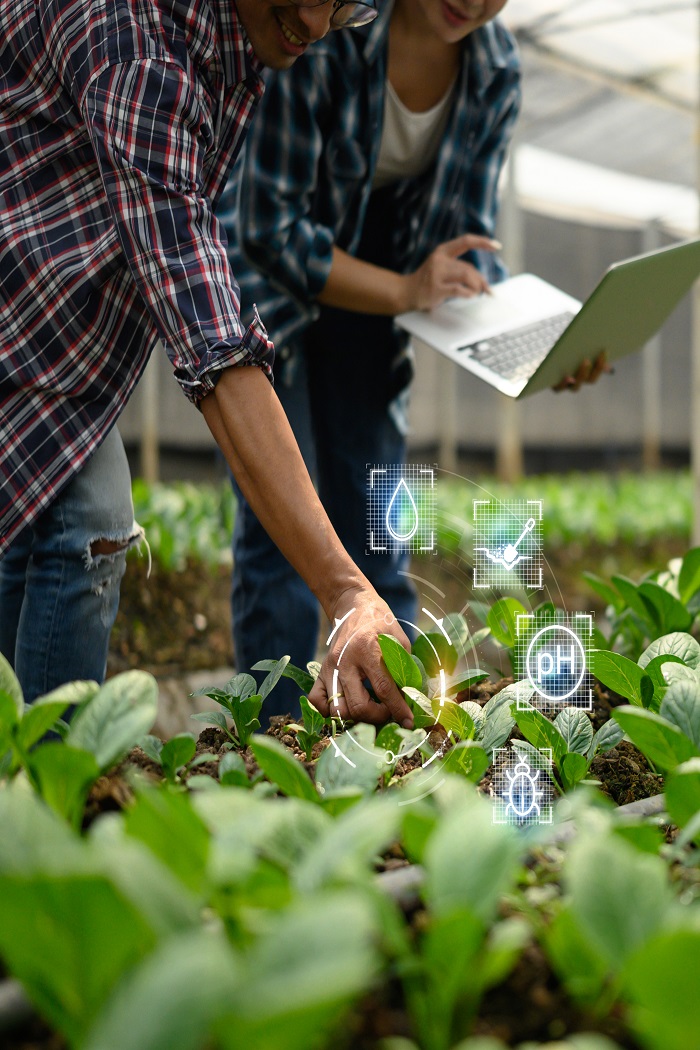
1. Agronomist Core to crop production - optimising soil, nutrients, and yields to feed growing populations. Linked Learning: Agronomy BAG306
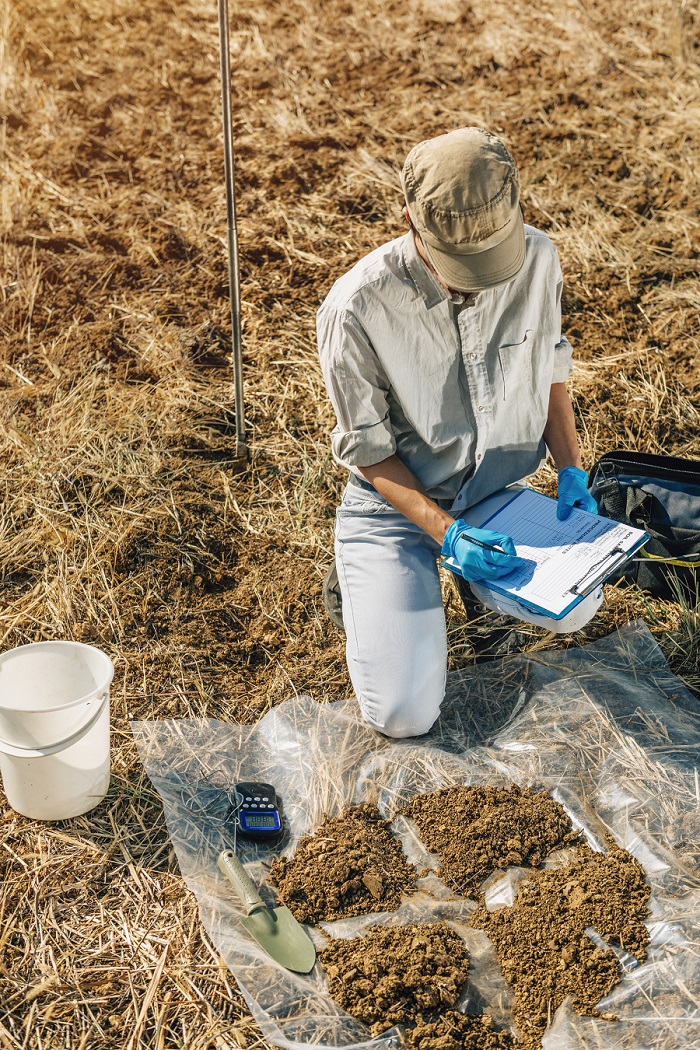
The Agronomy course introduces how to grow broadacre crops such as wheat, cotton, soybeans, sunflowers, and other grain, oil, and fibre crops. Students learn about crop physiology, soils, climate influences, planting, fertiliser use, irrigation, pest and disease management, and harvesting systems. The emphasis is on understanding the factors that affect yield and quality and how to make practical management decisions on a farm. 2. Soil and Carbon Specialist Central to climate resilience, carbon sequestration, soil fertility and long-term land productivity. The Iranian war of 2026 has shown how reliant farmers are on not only fuel to drive machinery, but global shipping to supply urea that keeps farm productivity high. Understanding how to optimise soil conditions, with or without chemical inputs is critical. Linked Learning: Soil Management (Agriculture) BAG103 Focuses on agricultural soils, soil health, classification, plant nutrition, soil testing, and practical soil improvement for farm productivity and sustainability. Includes eight lessons from soil classification through to land degradation and soil problem remediation. 3. Environmental Specialist Protects ecosystems, manages sustainability, and ensures agriculture doesn’t degrade natural resources. Linked Learning: Environmental Studies VEN100
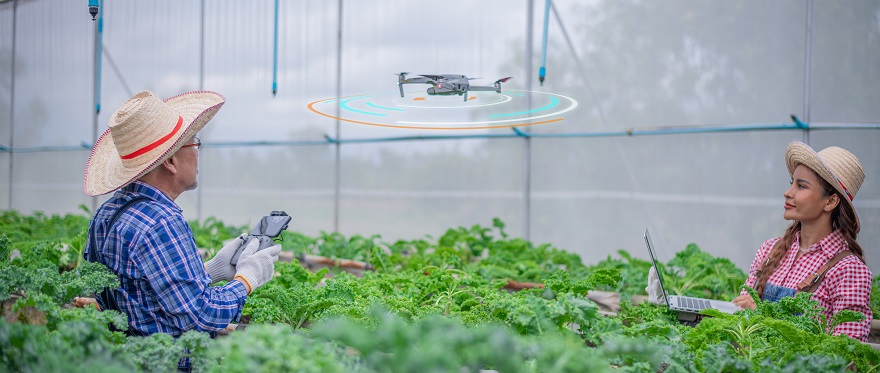
This Environmental Studies course is an “excellent place to begin” for people new to environmental topics. It covers how living and non-living components of ecosystems interact, basic ecology, environmental and conservation issues, and human impacts on natural systems. There is strong emphasis on understanding earth systems, wildlife and habitats, and exploring ways individuals can live more sustainably in daily life. 4. Agricultural Engineer Designs systems, machinery, and infrastructure that make farming efficient and scalable. Robotics and drone technologies are becoming increasingly critical; and when these technologies are integrated with computers and A.I., they can make a massive difference to farm practices.
Linked Learning: Engineering II – Engineering Applications (BSC205)
This agricultural engineering course focuses on engineering applications in agriculture and horticulture, including surveying, drainage, earthworks, mechanisation and controlled environments. There are 9 lessons, covering topics such as linear surveying, triangulation, contouring and levelling, along with earthmoving and drainage design for farm situations and environmental control in greenhouses.
5. AI Agriculture Specialist
Drives precision agriculture, automation, and data-led decision making - the future of farming .While many people today use A.I. and may be proficient from a technical viewpoint, studies show that there is a massive skills shortfall in areas of critical judgement with respect to A.I. Most A.I. users are over estimating their capabilities and seriously lack the skill to manage risks associated with A.I. use. Linked Learning: Artificial Intelligence BIT206
The curriculum spans eight lessons progressing from AI fundamentals - covering its history, types, and significance - through ethical and societal considerations, neural networks, deep learning, and machine learning, before moving into practical applications across business, environmental and agricultural contexts, and broader industries such as logistics, healthcare, and manufacturing. |
|
|
|
6. Hydrologist Manages water systems, irrigation, and drought resilience - critical in dry climates (regions). Linked Learning: Water Conservation and Management BEN302
The course teaches how to design, implement and assess water management plans and procedures in different contexts. Core aims include understanding global water issues, conserving water at home and work, managing water quality and flow, conducting water audits, and planning conservation in horticulture, agriculture, services, health and other sectors. It also covers sanitation, wastewater treatment, reuse and recycling.
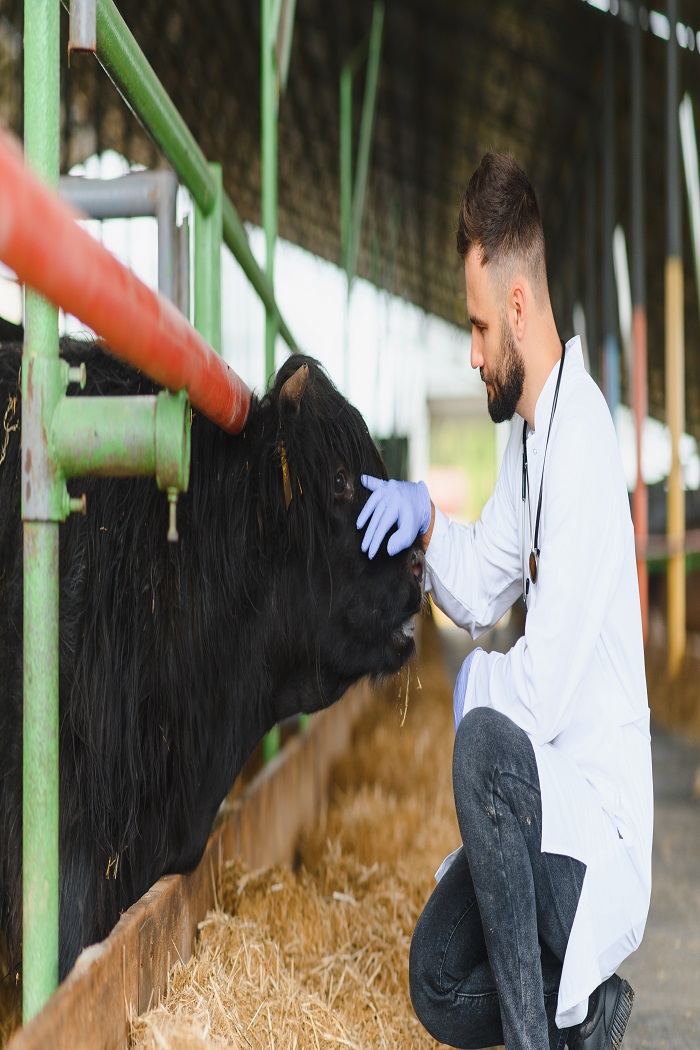
7. Vet Essential for animal health, food safety, and disease control across livestock industries. Linked Learning: Animal Health Care VAG100
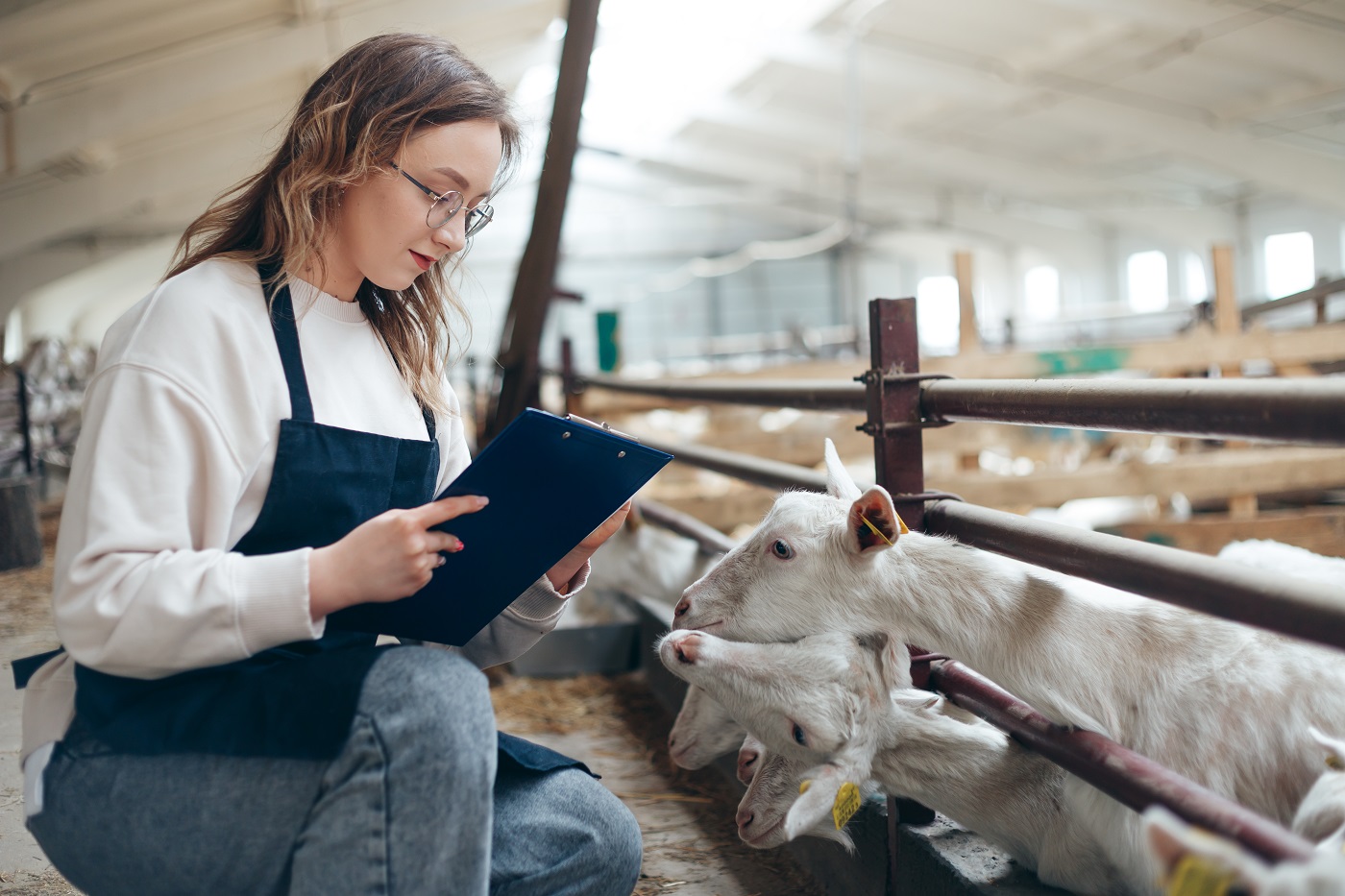
The Animal Health Care course is designed as a broad introduction to veterinary-style animal care. It covers common health problems in pets, farm animals and wildlife, animal behaviour, recognising signs of ill health, basic veterinary facilities and equipment, safety and first aid, routine treatments, preventative health care and rehab care. 8. Animal Welfare Specialist Improves livestock wellbeing, productivity, and ethical standards in farming systems. Linked Learning: Animal Behaviour BAG203
The course builds understanding of what drives animal behaviour, covering motivation, genetics, perception, learning and environmental and social influences. Topics include dominance and hierarchies, aggression, mating and reproduction, communication, abnormal behaviours, and practical handling and training implications. Students also explore how conditioning, habituation and other learning processes shape behaviour and can be used in training and management. 9. Bioinformatics Specialist (Plants & Crops) Supports genetic improvement, disease resistance, and crop innovation through data science. Linked Learning: Plant Breeding BHT236
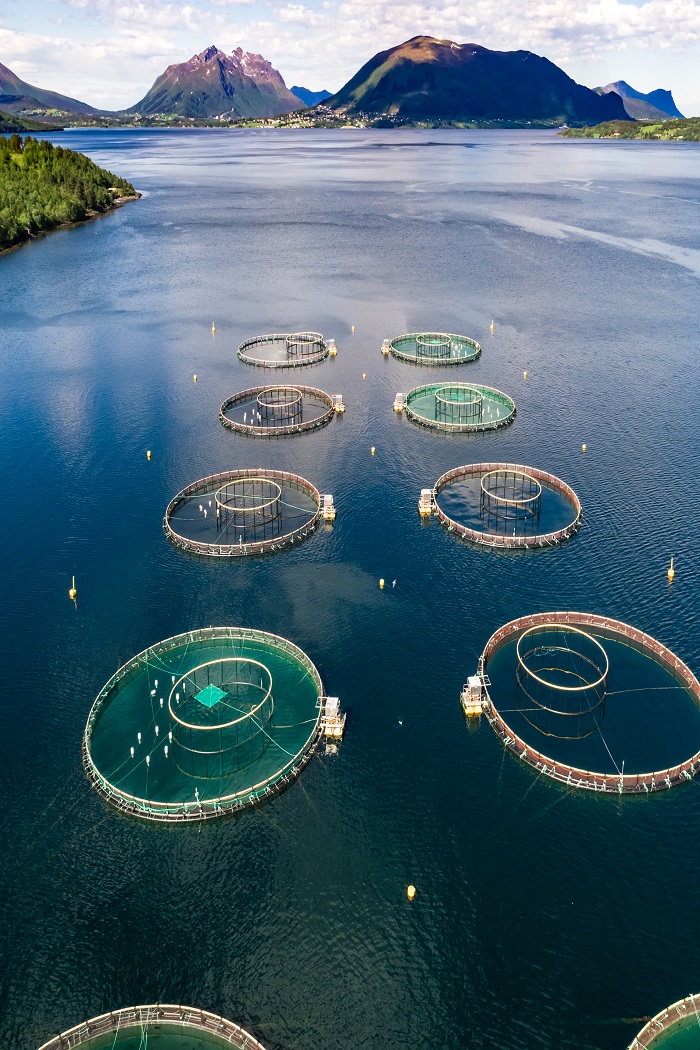
The course provides a foundation for breeding a wide range of plants, combining genetics theory with applied techniques. Typical topics include the scope of the plant breeding industry, plant genetics (DNA, chromosomes, linkage), gamete production, pollination and fertilisation, monohybrid and dihybrid inheritance, systematic botany and floral structures, practical breeding techniques, and current developments in plant genetics. 10. Aquaculturalist Key to sustainable protein production as wild fish stocks decline and demand increases. Linked Learning: Aquaculture – Freshwater BAG211
The aquaculture course covers freshwater species such as trout, barramundi, bass, marron, redclaw and yabbies, along with general principles that can be applied to other species. Topics include production systems, water quality, feeding and nutrition, breeding, harvesting, stock health and basic business considerations for running an aquaculture enterprise. |
| |
|
Why These 10? These roles sit at the intersection of: food production at scale, sustainability and climate adaptation, technology and innovation, and, animal and environmental welfare. The course examples shown here can be combined strategically and customised for a learner! Science pathway ... Agronomy + Soil Science + Plant Breeding
Tech pathway ... AI + Agricultural Engineering Animal pathway ... Animal Health + Behaviour Sustainability pathway ... Environmental Studies + Water Management Other Great Job Roles that Didn’t Make the Top Ten!
Drone pilot: Used for precision in agriculture support. Hydroponics or Aquaponics farmer: used in urban and controlled farming. Geneticist: developments in long-term crop and livestock improvements. Feed specialist: needed to improve efficiency and sustainability. Pest control expert: requirement for biosecurity. Turn Career Interest into Practical Skills
Whether you aspire to work in agronomy, soil management, environmental conservation or regenerative farming, sustainable agriculture provides the foundation for many of today's most in-demand agricultural careers. Our 100-hour Sustainable Agriculture Course gives you the knowledge needed to succeed in a changing industry.
Start Learning Sustainable Agriculture Today
This article was written by Jade Sciascia. B.Sc.Bio, Dip.Prof.Ed, Cert Food Hygiene. Jade grew up in Scotland with a passion for horses and all land-based industries. Here she explored what careers in agriculture look like today, and how they differ from her on-farm experience. Key Sources: National Farmers' Federation AgriFutures Australia
|
|
|
| |