Plants and Their Amazing Adaptations |
|
|
|
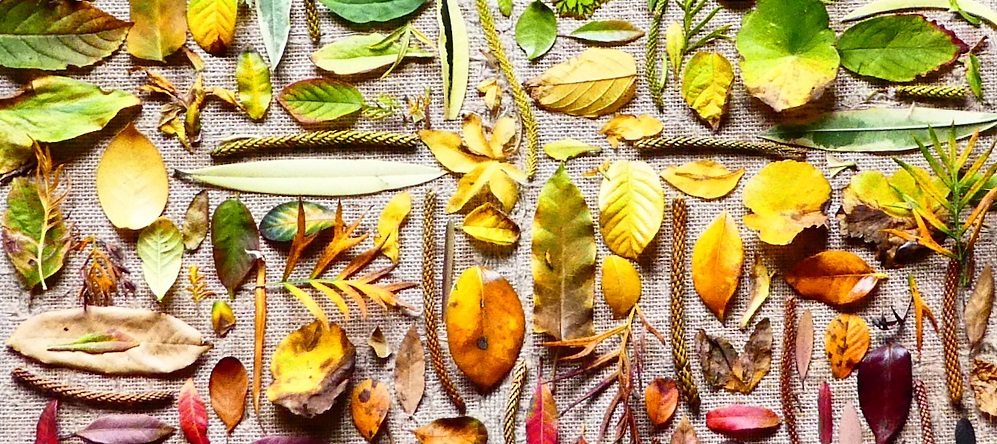
Plants are far more remarkable than most of us realise. Some can trap insects, others move when touched, while a few survive years without water. These incredible abilities are the result of millions of years of evolution and fascinating morphological adaptations.
Botany is the broad biological science covering plant life, including how plants function, grow, evolve, and interact with the environment. Morphology is the study of a plant's physical form and structure, helping us understand how leaves, stems, roots, flowers and other features have evolved or adapted for survival.
Let's explore four extraordinary plants that you can grow yourself and discover the botany behind their amazing adaptations. |
|
|
|
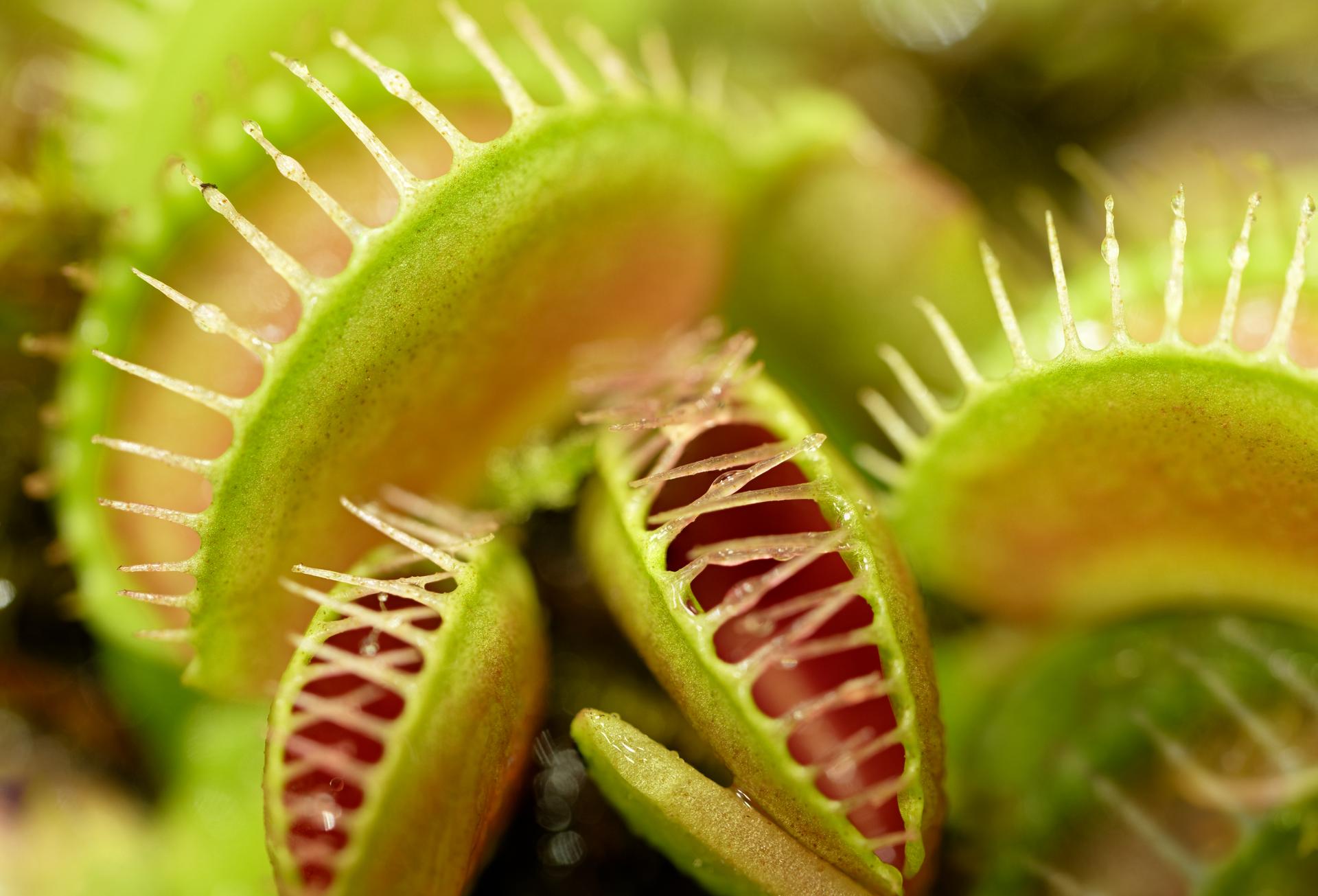
1. VENUS FLYTRAP (Dionaea muscipula) Native habitat: Coastal bogs of North and South Carolina, USA. What makes it unusual? It catches and digests insects using specialised leaves that snap shut in less than a second. Can you grow it? Absolutely! It's one of the world's most popular carnivorous plants and is readily available from specialist nurseries.
Morphological adaptation The Venus Flytrap's leaves have evolved into sophisticated traps lined with tiny trigger hairs. When an insect touches these hairs, the trap closes rapidly before digestive enzymes break down the prey. This adaptation allows the plant to obtain nitrogen from insects because its natural habitat has nutrient-poor soils.
Fascinating fact Each trap can only close a limited number of times before it dies and is replaced by a new leaf. |
|
| |
|
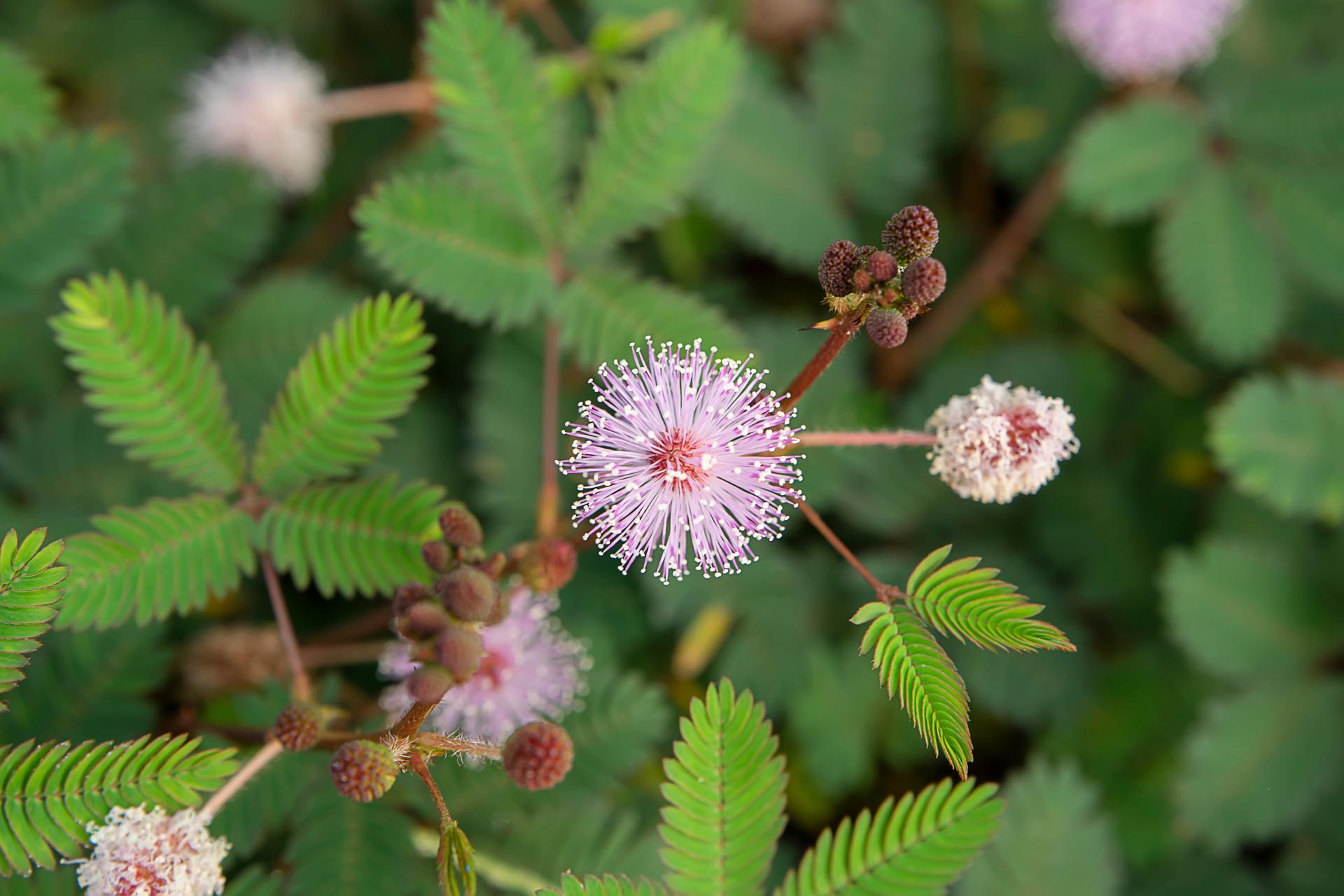
2. SENSITIVE PLANT (Mimosa pudica) Native habitat: Tropical Central and South America. What makes it unusual? Touch the leaves and they instantly fold together before slowly reopening. Can you grow it? Yes! It's easy to grow from seed and makes an excellent conversation starter. Morphological adaptation At the base of each leaf is a specialised swollen structure called a pulvinus. This structure changes in water pressure inside these cells cause the leaves to fold rapidly. Scientists believe this defensive response discourages grazing animals by making the plant appear wilted or less appealing. Fascinating fact
The leaves close naturally each evening before reopening the following morning. |
|
| |
|
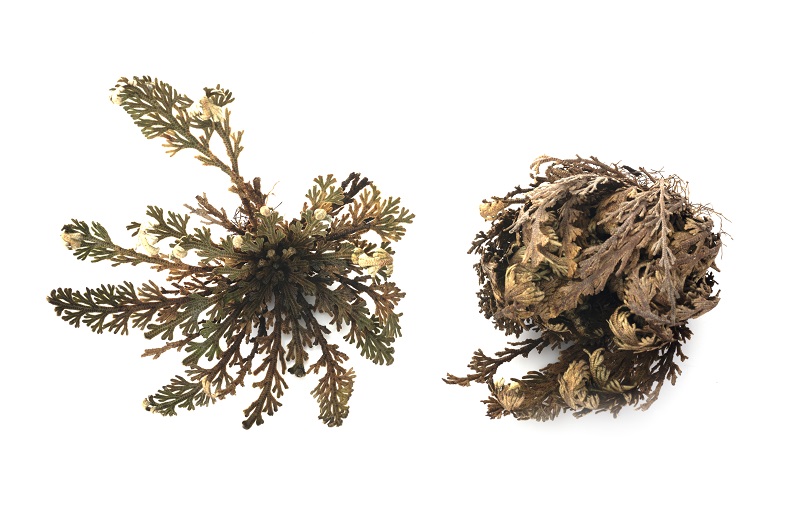
3. RESSURECTION PLANT (Selaginella lepidophylla) Native habitat: Deserts of Mexico and the southern United States.
What makes it unusual? It appears completely dead during drought but springs back to life after watering. Can you grow it? Yes. It's commonly sold as an educational novelty plant. Morphological adaptation
During dry conditions, the stems curl tightly into a protective ball that reduces water loss. Specialised cells and protective sugars stabilise tissues until moisture returns. When water becomes available, the plant rapidly rehydrates and unfurls, resuming normal metabolic activity. Fascinating fact
The Resurrection Plant can survive almost complete dehydration for years before reviving. |
|
| |
|
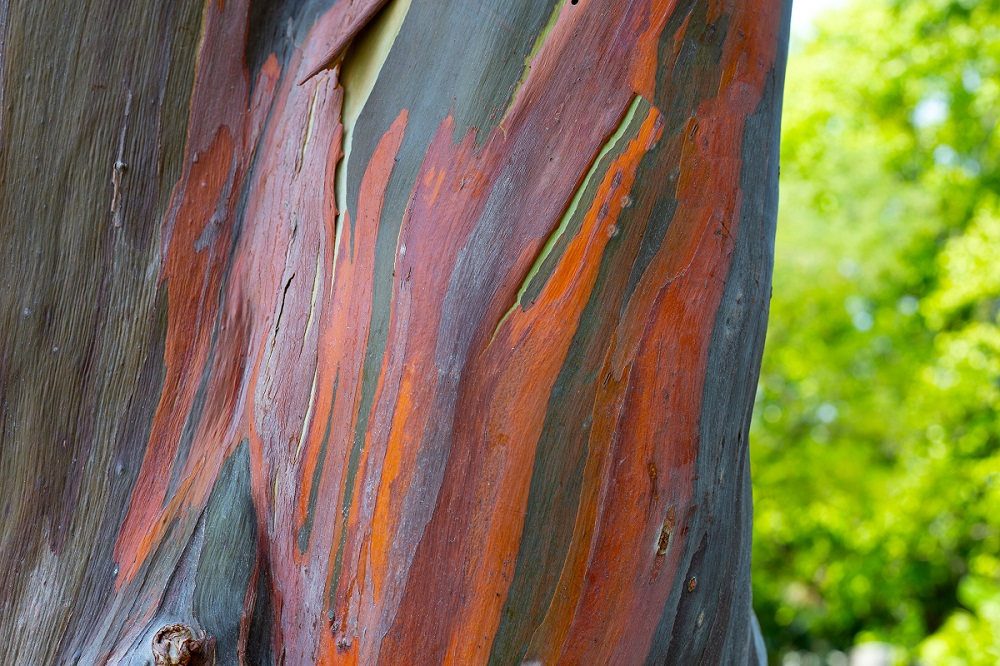
4. RAINBOW EUCALYPTUS (Eucalyptus deglupta) Native habitat: Philippines, Indonesia and Papua New Guinea. What makes it unusual? Its trunk naturally displays spectacular streaks of green, blue, orange, purple and maroon. Can you grow it? Yes, if you live in a warm, frost-free climate such as tropical or subtropical regions. Morphological adaptation
Unlike most trees, Rainbow Eucalyptus continually sheds thin layers of bark. Newly exposed bark appears bright green due to chlorophyll before gradually changing colour as it ages and different pigments develop. The continual shedding also helps remove mosses, lichens and other organisms from the trunk. Fascinating fact It is the only eucalyptus species naturally found in the Northern Hemisphere. |
|
| |
|
What Do These Plants Have in Common? Although they look completely different, each of these species demonstrates how plant structure is closely linked to survival.
Their specialised leaves, stems and tissues are examples of morphological adaptations physical features that have evolved over time to help plants thrive in environments ranging from tropical rainforests to arid deserts and nutrient-poor wetlands. 🍁 Understanding these adaptations helps explain: 🍁 Why plants grow differently in different environments.
🍁 How plant structures perform specialised functions. 🍁 The relationship between form and function. 🍁 How evolution shapes plant diversity. 🍁 Why accurate plant classification (taxonomy) is important. Once you understand plant morphology, you'll never look at a garden, or park, or a forest, the same way again! |
|
|
|
Take Your Curiosity Further with Botany I BSC104
If you've enjoyed discovering these remarkable plants, imagine uncovering the science behind thousands more.
The Botany I BSC104 course explores the fascinating biology of plants, introducing you to plant cells and tissues, roots, stems, leaves, flowers, seeds, plant physiology and taxonomy. You'll also learn practical plant identification techniques and investigate the adaptations that enable plants to survive and flourish in diverse environments. Whether you're a gardener, horticulturist, landscaper, environmental professional or simply fascinated by the natural world, this course provides a strong scientific foundation that will deepen your understanding of plants and the incredible diversity of the plant kingdom.
Discover the science behind the world's most extraordinary plants - explore the Botany I course today. |
|
|
|
|