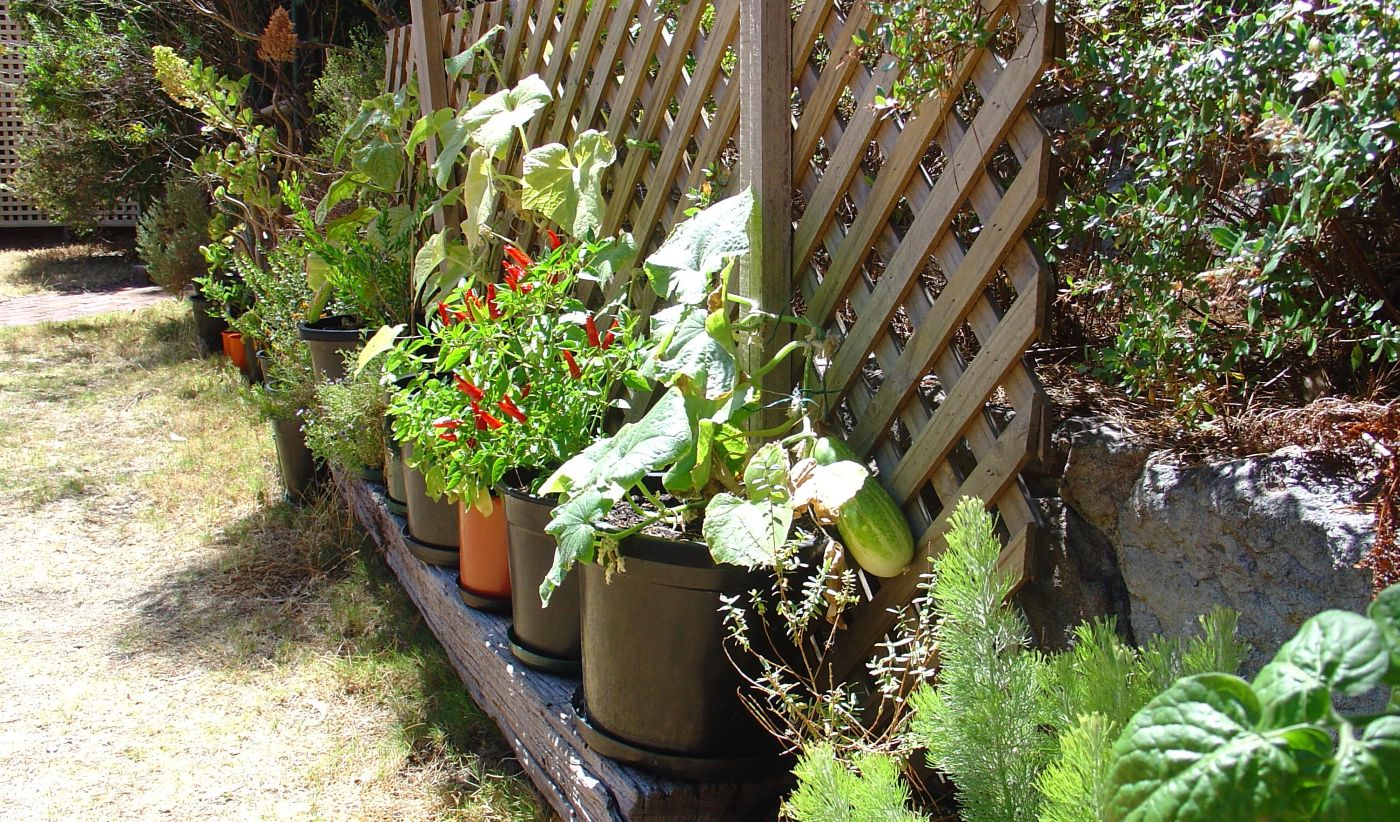
Course Spotlight: Permaculture Design Certificate
Design for the whole site Permaculture begins with observation and planning. Before choosing plants or digging beds, students learn to consider a site’s climate, soil, slope, water movement, sunlight and microclimates. They explore zone and sector planning, landscape profiles and the step-by-step process of recording site information and developing a design.
This systems-based approach is useful whether you’re planning a suburban food garden, a rural property or a community growing space. It helps connect the pieces – where a garden bed belongs, how water can be conserved, which plants suit the conditions, and how different elements can serve more than one purpose. |
Practical skills for modern gardening Healthy soil is the foundation of a productive garden. The course covers soil structure and testing, organic matter, composting, mulching, erosion control, soil degradation and nutrient management. Students also explore no-dig gardening, no-till planting, crop rotation, green manures and biological resources. These approaches can help gardeners make good use of what they have – turning organic waste into compost, protecting bare soil, and supporting soil life rather than treating the garden as a collection of isolated beds.
Water management is another key theme. Topics include reducing water needs, irrigation, swales, effective rainfall and the hydrological cycle, alongside water bodies and reed beds for wastewater treatment. Understanding how water moves across a site can help inform more resilient garden design, particularly where rainfall is limited or seasonal. |
Grow food and support biodiversity The curriculum explores organic vegetable growing, fruit trees, vines, berries, nuts and less familiar edible plants, as well as plant functions, guilds and succession. It also covers companion planting, pest and disease prevention, weed management and wildlife in a permaculture system. The goal is not simply to grow more food, but to understand how a diverse planting plan can serve multiple needs by providing food and habitat, improving soil, offering shelter, and making productive use of different layers and spaces.
That connects directly with today’s interest in food security. Home and community gardens cannot replace broader food systems, but they can contribute fresh produce, practical growing knowledge and a stronger connection with local food. Learning to plan for a range of crops, seasons, soils and water conditions can make a garden more useful and adaptable. |
Plan for resilience
Permaculture design also looks beyond planting. Students study trees and forests, shelter and windbreaks, appropriate technologies, renewable energy, waste reduction and designing for natural disasters. Fire-resistant plants and firebreak design are included too – important considerations for Australian gardens. Bushfire risk depends on many factors, so garden choices should be considered alongside local advice, property conditions and broader preparedness. |
Course history
Developed in the early 1990s by ACS in collaboration with government accreditation authorities and the Permaculture Institute, the course was designed to meet the internationally recognised PDC curriculum. It received endorsement from Bill Mollison and the Permaculture Institute and was later accredited by the Australian National Training Authority. The curriculum has been reviewed and updated over the years. |
Why study with us? Students are taught by educators who hold a PDC and bring relevant industry experience and university-level qualifications. In this version of the course, you can also access a permaculture expert with horticultural experience and professional training in environmental plant and animal sciences. Whether you’re starting your first vegetable patch or planning a more complex landscape, the course offers a way to think beyond individual gardening techniques and to design a productive, connected system that works with its place.
Interested? Phone or email us today to begin your journey into permaculture. |