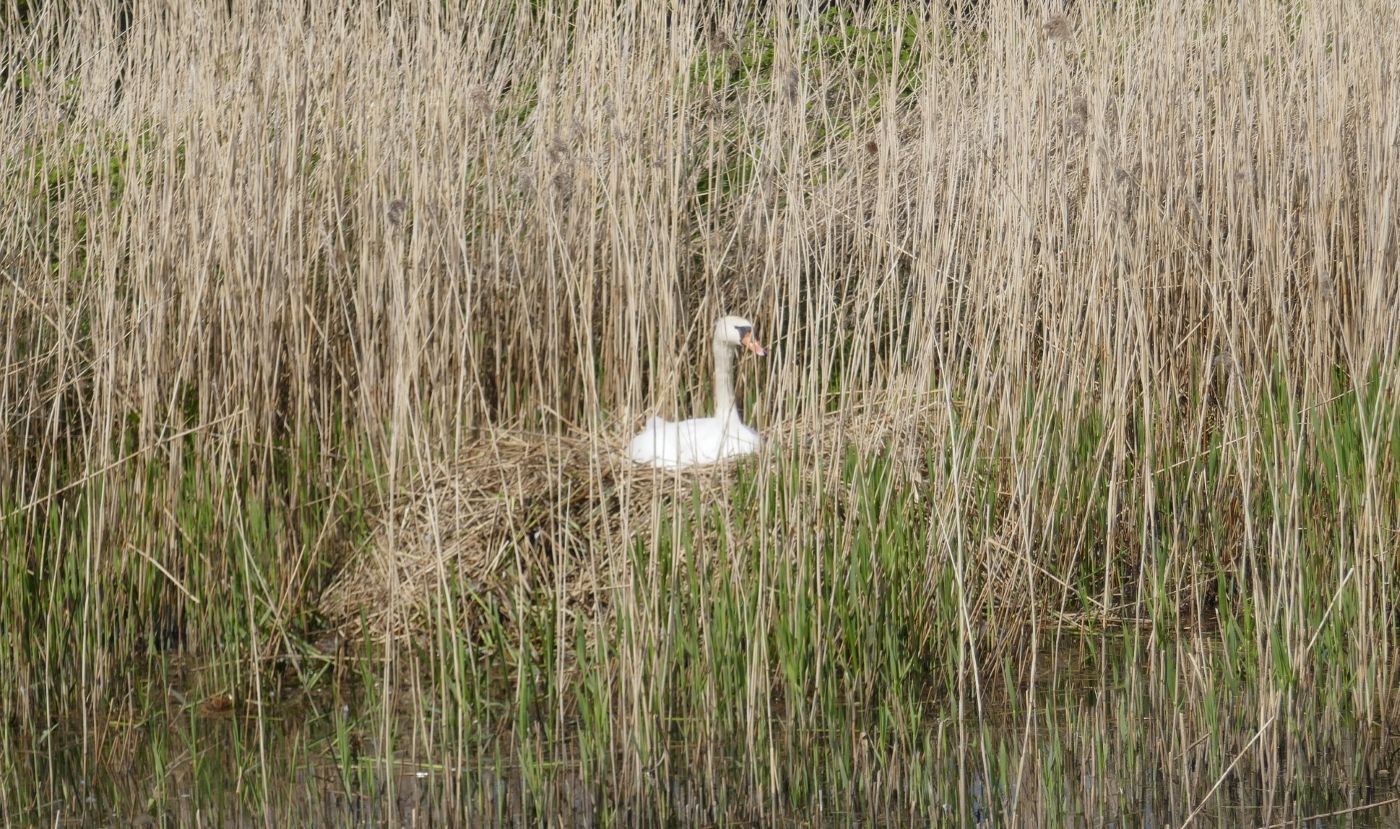
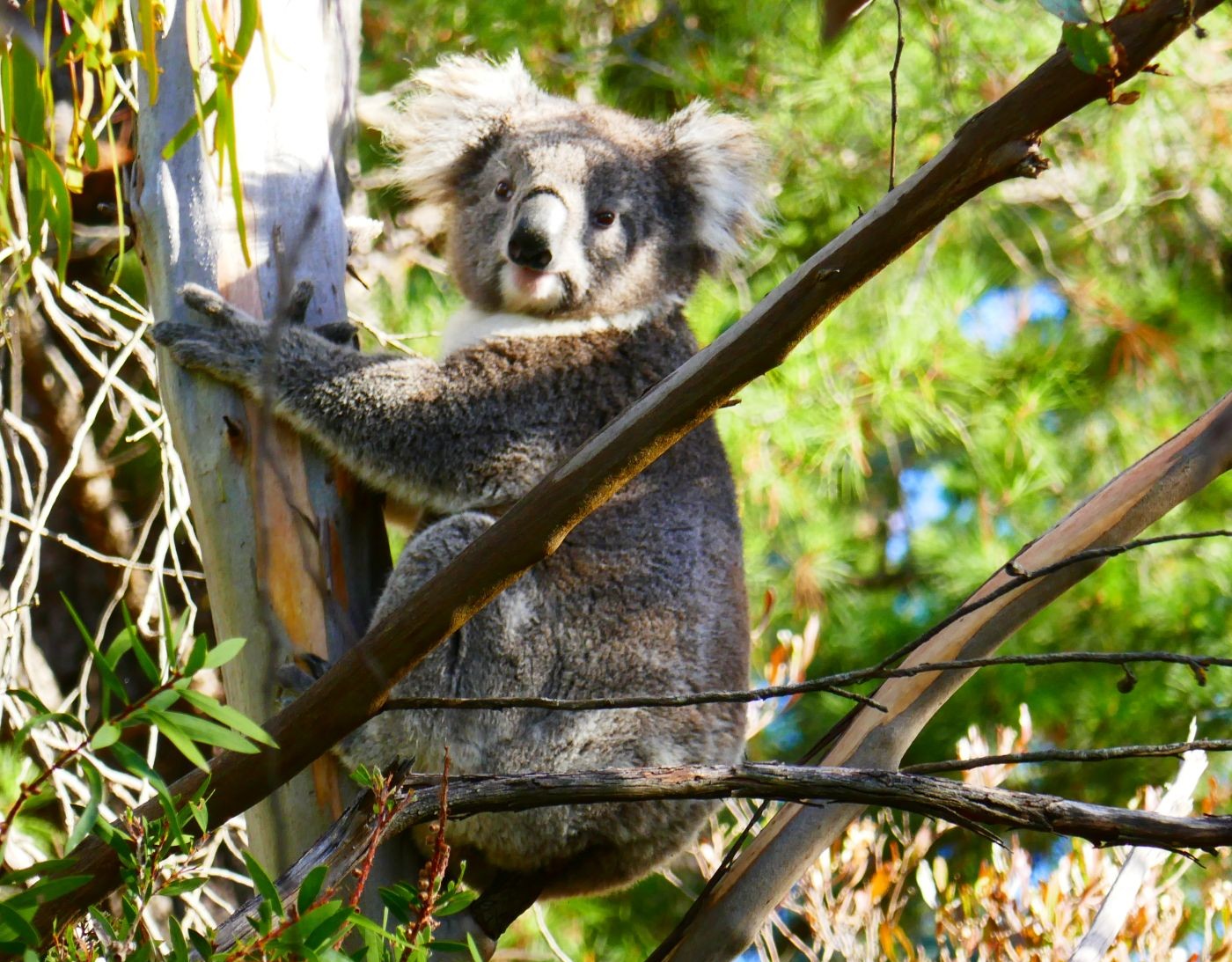
That study begins with asking questions: What does a species need to survive? How does it fit into its ecosystem? What changes when its habitat is disturbed?
By exploring these questions, we can move from concern for wildlife towards a clearer understanding of the challenges it faces and the ways conservation can respond. Our Certificate in Wildlife Conservation offers a way to explore the science behind conservation, build a broad foundation in wildlife-related subjects, and tailor some of your studies to your particular interests. |
|
|
|
Understanding Wild Species
To protect wildlife effectively, we must first understand how different animals are built to survive. Every species has evolved unique needs and environmental vulnerabilities. A successful conservationist looks at the natural world through three major lenses: 1) Study vertebrate zoology and ornithology to map out the physical traits of land animals and the migratory routes of birds. 2) Focus on herpetology. Because cold-blooded species are highly sensitive to change, they are often the first to suffer when an ecosystem starts to fail. 3) Dive into marine studies. Tracking sea life is vital for understanding global climate impact and aquatic health. When you connect these pieces, you see how the animal kingdom operates as one interconnected web. The Certificate’s core module in Vertebrate Zoology introduces students to a wide range of animal groups, including fishes, amphibians, reptiles, birds, mammals, marsupials, carnivores, hoofed mammals, and primates. This broad perspective helps put the study of individual species into context.
Ecology helps bring that web into focus. It explores the relationships between organisms and their surroundings, from populations and food webs to the movement of energy through ecosystems. It also considers the variety of environments wildlife depends on, including forests, wetlands, mountains, rivers, deserts, and coastal waters.
Studying these subjects can help you build a clearer picture of how wildlife depends on healthy habitats - and how changes in those habitats can affect the species living there. Understanding habitats is essential because a species’ survival is closely tied to the conditions around it. Changes to vegetation, water, food availability, or the wider environment can affect animals in different ways. Learning about ecological systems helps us see not only what is happening to wildlife, but also why.
|
|
|
|
From Science to Real-World Care
Data on its own is fascinating, but its real power is unlocked when it is used for active conservation and ethical wildlife care. True stewardship bridges the gap between science and practical action. You can make a real-world difference by mastering two key areas:
1) Animal Welfare and Behaviour: Study how animals behave and what they eat. This knowledge helps you design safer wildlife sanctuaries, proper diets, and better zoo enclosures. 2) Field Management: Learn the core principles of wildlife management and conservation operations. This ensures that habitat restoration projects are sustainable, legally sound, and successful over the long term.
The Certificate’s Wildlife Conservation module looks at topics including the recovery of threatened species, habitat conservation, approaches to conserving threatened species, vegetation and fauna surveys, marine conservation, planning for wildlife, and managing threatened wildlife populations. It also includes a wildlife conservation project, offering students the chance to bring together ideas from their studies.
These subjects connect scientific understanding with the practical questions conservation work must address. What species are present in a habitat? What pressures are affecting them? What information is needed to plan a conservation response? Surveys and careful assessment can help build the evidence needed to answer such questions.
Environmental Assessment is another core part of the Certificate. Its topics include the types and process of environmental assessment, international and domestic environmental law, and writing environmental reports. Together, these areas introduce students to how environmental knowledge and assessment can inform decisions.
Conservation is rarely a matter of applying one solution everywhere. Different species and habitats have different needs, and plans may need to change as new information becomes available. Studying wildlife management and conservation planning can help build an appreciation of how projects are developed, monitored, and managed over time. |
|
| |
A Broader View of Conservation
Wildlife conservation draws on many areas of knowledge. Vertebrate zoology introduces the diversity of fishes, amphibians, reptiles, birds, and mammals. Ecology explains how species and ecosystems interact. Conservation study examines threatened species, habitat protection, surveys, and the management of wildlife populations. |
|
|
|
Developing a Deeper Understanding
The Certificate in Wildlife Conservation brings together core study in environmental assessment, ecology, vertebrate zoology, and wildlife conservation, alongside a choice of two elective subjects. This combination offers a structured way to explore the science behind conservation while following areas of particular interest.
You might choose to focus on a particular group of animals, learn more about welfare and care, or explore the role of genetics and feeding in wildlife management. The range of subjects lets you shape part of your study around the areas of wildlife conservation that interest you most. Each offers a different way to consider the needs of animals and the environments they depend on.
If this sounds like something you might be interested in, our course can be a starting point for developing knowledge, whether your interest is focused on a particular group of animals, habitat protection, or wildlife conservation more broadly. |
|
|
|
Building a Foundation for Conservation
There is rarely one simple solution to a conservation challenge. Protecting threatened wildlife can involve understanding a species, assessing its habitat, gathering information through surveys, and planning how its population can be managed over time. Different species and environments call for different approaches, and conservation plans may need to adapt as new information emerges.
The Certificate in Wildlife Conservation brings together these connected areas of study in one programme. It is designed for people who want to develop their understanding of wildlife and conservation, whether they are exploring the subject for personal interest or looking to build knowledge relevant to further study or work.
A passion for animals is a valuable starting point. Studying ecology, zoology, conservation, and environmental assessment can help turn that interest into a broader understanding of the challenges wildlife faces. By building your knowledge of animals, habitats, and conservation approaches, you can take a meaningful next step towards understanding how the natural world can be protected.
Why not get in touch with us today and let us help you develop your passion for wildlife conservation? |
|
|
|
|