
Distance Learning Course -Sustainability Certificate
A ONE OF A KIND ENVIRONMENTAL COURSE
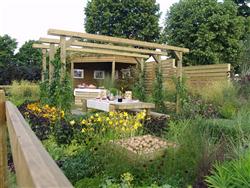
Students who study this course benefit from the unique blend of disciplines that will provide them with the skills necessary to work in the field of environmental sustainability. This course provides a foundation in environmental ecology and conservation as well as an understanding of sustainability in relation to water, agriculture, development and energy.
Environmental Sustainability has become a major concern in recent decades, now being a guiding principle for government, business, industry and individuals all over the world. The term 'Ecologically Sustainable Development' has been coined to represent the concept of making use of our environment in a way that allows us to meet our needs without compromising the ability of future generations to meet their own needs. Sustainability experts are thus likely to be in high demand over coming decades as resources become increasingly scarce and the need to manage the effects of environmental degradation increases.
Course Structure
This course is made up of a number of modules. To complete this course you must study and pass all of the modules listed below.
Core Modules
- Alternative Energy
- Introduction To Ecology
- Permaculture Systems (PDC)
- Water Conservation And Management
Elective Modules
In addition to the core modules, students must also choose 2 of the following elective modules.
- Biophilic Landscaping
- Carpentry
- Environmental Assessment
- Environmental Chemistry
- Environmental Waste Management
- Healthy Buildings I (Building Construction & Health)
- Healthy Buildings II (Building Environment & Health)
- Mud Brick Construction
- Soil Management (Agriculture)
- Soil Management (Horticulture)
- Sustainable Agriculture
Accreditations
Outlines of Selected Modules
Introduction to Ecology
1. Ecosystems & Populations
- Components of an ecosystem
- Biomes
- Detrital and grazing webs
- Trophic levels within a food web
- Energy flow through an ecosystem
2. The development of life
- Life spans
- Natural selection
- Genetics
- Theories of evolution
3. Animals, Parasites and Endangered Species
- Comparative anatomy
- Animal niches within an ecosystem
- Parasites
- Animal and human interactions and coexistence
4. Fungi, Tundra, Rain forests and Marshlands
- Physiology
- Anatomy
- Classification
- Ecology
- Location and
- Climate
5. Mountains, Rivers and Desert
- Formation, e.g., erosion, volcanic formation of mountains
- Ecology
- Importance
6. Shallow Waters
- Shorelines
- Coral reefs
- Intermediate reefs
- Estuaries
- Sandy shores
7. Ecological Problems
- Global Warming
- The Role of the Ozone Layer
- The effects of Poisons and Waste Materials
Sustainable Agriculture
1. Introduction
- Scope
- Nature of Sustainability
- Whole Farming
- Hydroponics
2. Soil
- Soil Quality
- Growing Media
- Problems with Soils
- Water Erosion
- Wind Erosion
- Salinity
- Soil Acidification
3. Water
- Water Storage
- Livestock Requirements
- Water Quality
- Water Saving Measures
- Recycling Water
- Swales and Keylines
4. Land Care
- Weeds
- Weed Control
- Grazing
- Tree Management
- Plantations
- Windbreaks
5. Financial Sustainability
- Economic Principles
- Scale of Economics
- Financial Planning
- Value Adding
- Financial Records
6. Broad Management Strategies
- Towards better planning
- Analysing the Marketplace and Industry
- Production
7. Enterprise Selection & Management: Plants
- Crop Management
- Hay and Silage
- Considering New Crops
- Site Preparation
- Production
8. Enterprise Selection & Management: Animals
- Choosing the right species, e.g., deer, alpacas, goats, emu
- Aquaculture
- Intensive Production
Water Conservation and Management
1. Introduction to Water Conservation
- The water cycle
- Effective rainfall
- Evaporation
- Importance of water
- Water sources and storage
- Water uses
- Water conservation
2. Water conservation at home
- In Australia, UK and US
- How we can save water at home
- Water saving equipment
3. Water conservation in the workplace
- General principles
- Implementing water saving strategies
- Appliances for saving water
- Waterwise industry
- Waterwise workplace
4. Water Management
- Maintaining water quality
- Salinity
- Chemical contamination
- Controlling use and quality of water
- Testing water quality
- Minimising water loss
- Water audits
- Water management plans
5. Water conservation in Primary Production I
- Strategies for water conservation
- Water saving measures
- Waterwise landscaping
- Waterwise irrigation systems
- Wquipments, structures and tools to save water
6. Water conservation in Primary Production 2
- Use of water in primary production
- Methods of water storage
- Rainwater collection and storage
- Bore water
- Farm dams
- Farm water requirements
- Contamination and disposal of water
- Reduce/reuse/recycle
- Irrigation system design
- Surface/flood irrigation
- Sprinkler irrigation
- Swales and keylines
- Maintenance procedures and scheduling
7. Water conservation in the Services Industry
- Use of water in service industry
- Contamination and disposal of water
- Reduce/reuse/recycle
- Technologies available
8. Water conservation and Health
- Water use in the Health Industry
- Laboratories, Hospitals, Nursing Homes, Clinics, Research
- Characteristics of water use in health industry
- Water efficiency
9. Water conservation in other industry sectors
- Use of water in manufacturing, construction and heavy industries
- Examples of water use including cooling towers, ponds, dust control
- Cleaner production
- Benefits of cleaner production
10. Water treatment, reuse and recycling
- Water sanitation
- Water reuse and recycling
- Waste water and sewage treatment
- Classification and composition of waste water
- Waste water treatment
- Constructed wetlands
- Plants for wetlands
- Treating saline water
- Tastes and odours
Permaculture Systems
1. Permaculture Principles
- Nature and scope
- Function
- Diversity
- Sustainability
- Organics
- Composting
- Crop rotation
- Pests and disease prevention and management
2. Design Principles
- Ecosystems
- Abiotic and biotic components
- Understanding climate
- Minimising water needs
- Irrigation
- Arid landscapes
- Rainfall
- Succession
3. Zone and Sector Planning
- Five standard zones
- Landscape profiles
- Site selection
- Pre-planning
- Concept design
- Recording site and locality details
4. Permaculture Techniques
- Forests and Trees
- Establishment
- Fire-resistant plants
- Water body design
- Water containment
5. Animals in Permaculture
- Location for animals
- Functions of animals in permaculture systems
- Bees, poultry, pigs and cattle
- Grazing animals
- Fencing
- Water supply for animals
- Shelter for animals
- Birds
- Aquaculture - scope, production systems, species and management
- Harvesting fish
6. Plants in Permaculture
- Growing organic vegetables
- Physical characteristics of soil
- Chemical characteristics of soil
- Soil nutrition and fertilisation
- Nitrogen fixation
- Identifying nutrient deficiencies
- Mulch types
- Weed management
- Plant culture
- Pest and disease management
7. Appropriate Techniques
- Solar energy
- Wind energy
- Methane
- Biofuel power
- Composting toilets
- Energy efficent housing
- Living fences
- Water recycling
- Alternative energy and management
- Waste disposal
- Biological filtration systems
- Waste water
- Conservation and recycling
- Solar energy
- Solar greenhouses
8. Preparing a plan
- Scope, nature and methods
- Designing for natural disasters
- Drawing a plan
- Developing the final design
Healthy Buildings I (Building Construction and Health)
1. Introduction to Building Biology
- Building Biology
- Environmental considerations when building
- Clean interiors
- Attitudes and trends towards building biology
2. Building Materials
- Dangerous building materials
- Asbestos
- Paints and finishes
- Cladding, timber, weatherboard
- Health concerns with initial installation
3. Construction
- Roofs
- Floors
- Pests in Buildings
- Hygiene
- Building design factors
4. Services
- Water
- Electricity
- Waste Disposal
- Temperature Control
5. Temperature: Heating and Cooling
- Heating and Cooling methods
- Energy conservation
- Solar energy
- Impact of building design on interior building temperature
6. The Internal Environment: Ventilation
- Air Filtration
- Carbon Dioxide
- Interior Ventilation Characteristics
- Health Impacts of Air Conditioning
7. Light
- Internal light in buildings
- Natural light
- Combustion systems
- Electric Lights
- Location of light sources
- Impact of building design on interior light
8. Acoustics
- Impact of construction on how noise is absorbed
- Echo and Clarity
- Management of noise in buildings
9. Ergonomic Considerations
- Relationship between human body and surroundings
- Ergonomics
- How ergonomics impact productivity
10. Psychological Considerations
- Psychological Considerations of building design
- Colour
- Psychology of building interiors
Alternative Energy
1. Introduction: The Problems and the Energy Sources- Scope and Nature
- Terminology
- Energy consumption throughout history
- Climate Change
- Energy units
- Problems with Fossil Fuels
- Problems with other energy sources
2. Understanding Energy
- Terminology
- Understanding Electricity
- Conductors and Non-conductors
- Measuring Electricity
- Ohm's Law
- Kirchoff's Law
- Circuits
- Power
- Magnetism
- Electromagnetism and Solenoids
- Inductors
- Lenz's Law
3. Generating Electricity
- Turbines
- Generators
- Fuel Cells
- Solar Energy
- Positioning Solar Cells
- Small scale Solar
- Future developments in Solar
- Wind Power
- Large- and Small-Scale Wind System Design
- Geothermal energy
- Steam Power Plants - dry and flash
- Binary Cycle Power Plants
- Hydropower
- Geothermal heat pumps
- Tide and Current power
- Tide barrage and turbines
- Wave power
- Nuclear energy
- Fission reactors
- Fusion
- Half-lives and radioactivity
- Waste to energy
4. Storage and Use of Electricity
- Terminology
- Cells
- Batteries and their requirements
- Inverters
- Alternators and regulators
- Converters
- System types
- EMR and Electricity Use
- Recommended Exposure Limits
- Safety with Electricity
5. Non-electric Systems
- Passive solar
- Firewood
- Creosote formation
- Biofuels
- Ethanol
- Passive solar energy
- Solar hot water
- Greenhouses
- Night insulation
6. Energy Consumption
- Pricing
- Population growth
- Large scale reduction of energy consumption
7. Energy Conservation
- Reducing energy consumption in the home
- Temperature control
- Minimising light energy consumption
- Minimising appliance energy consumption
- Insulation
- Water conservation
- Solar house design
8. Converting to Alternative Systems
- Estimating energy needs
- Building efficiency
- System design
- System designers
Why Study with ACS?
Design your own learning pathway.
Study at your own pace, from anywhere, at any time.
Receive prompt, expert support from our team of committed and friendly tutors.
Your learning is our priority. We are flexible and adaptable to meet your educational needs!
Enrol using the automated procedure on this site or contact us via phone or email to ask questions and enrol with a real person.
You can enrol at anytime and start the course when you are ready. Enrolments are accepted all year - students can commence study at any time. All study is self paced and ACS does not set assignment deadlines.
Please note that if a student is being assisted by someone else (e.g. an employer or government subsidy), the body offering the assistance may set deadlines. Students in such situations are advised to check with their sponsor prior to enrolling. The nominal duration of a course is approximately how long a course takes to complete. A course with a nominal duration of 100 hours is expected to take roughly 100 hours of study time to complete. However, this will vary from student to student. Short courses (eg. 100 hrs duration) should be completed within 12 months of enrolment. Certificates, Advanced Certificates and Awards (eg. over 500 hours duration) would normally be completed within 3 -5 years of enrolment. Additional fees may apply if a student requires an extended period to complete.
If a student cannot submit their assignments for 6 months to ACS, they should advise the school to avoid cancellation of their student
registration. Recommencement fees may apply.
Simply click on the ENROL OPTIONS button at the top of this screen and follow the prompts.
You can see the course price at the top of this page. Click 'enrolment options' to see any payment options available.
You can pay by Credit Card, PayPal, Afterpay or bank transfer.
Yes! We have payment plans for most courses. Click 'enrolment options' to see the available payment plans.
We also have Afterpay that will allow you to pay for your course or payment plans in four instalments (if you are in Australia).
There are no entry requirements that you need to meet to enrol in our courses, our courses are for everyone.
If you are under 18, we need written permission from your parent/ guardian for your enrolment to continue, we can arrange that after you have enrolled.
You don’t need to purchase any additional resources to complete our courses.
What do I need to know before I enrol?
We aim to teach you the essentials without you having to purchase any specific computer program.
We recommend that you have access to a word processing program, such as Microsoft Word or Google Docs, so that you can easily complete and submit your assignments.
You sure can. We are here to help you learn whatever your abilities.
Yes, if you are enrolling in a Certificate or Advanced Certificate, you might be eligible for credits if you have evidence of your previous studies or relevant experience. More information is here.
We recommend that you are able to browse websites, send emails and conduct online research. You will need to be able to type and submit your assignments.
If you have limited computer skills, we can make special arrangements for you.
This is possible, it depends on the institution. We recommend that if you would like to use our courses that you contact the institution first. Our Course Handbook is a good resource for this.
Our courses are written in English and we only have English speaking academic staff. If you can read and complete your assignments in English, our courses are ideal for you.
Our courses are designed to build knowledge, hands on skills and industry connections to help prepare you to work in the area, running your own business, professional development or as a base for further study.
This course is aimed at providing you with a solid understanding in your selected discipline. It has been designed to take 600 hours, which includes your course reading, assignment work, research, practical tasks, watching videos and more. When you complete the course, will have a good understanding of the area/ industry you want to work in.
It’s up to you. The study hours listed in the course are a rough guide, however if you were to study a short course (100 hours) at 10 hours per week, you could finish the course in 10 weeks (just an example). Our courses are self-paced, so you can work through the courses in your own time. We recommend that you wait for your tutor to mark and return your assignment before your start your next one, so you get the benefits of their feedback.
The course consists of course notes, videos, set tasks for your practical work, online quizzes, an assignment for each lesson (that you receive feedback from your tutor from) and ends in an exam (which is optional, if would like to receive the formal award at the end), using our custom built Learning Management System - Login.Training.
Our courses are designed for adults to gain professional development and skills to further their careers and start businesses.
Our custom online learning portal allows you to conduct your learning online. There may be practical tasks that you can do offline. You have the option of downloading your course notes or print them to read later.
There is also the option to pay an additional fee for printed course notes and or USB (availability limited to location and deliverability).
Yes, if you don’t have access to the internet, you can receive the course as paper notes or on a USB stick for an additional fee. We can also make alternative arrangements for you to send your assignments to us.
We offer printed notes for an additional fee. Also, you can request your course notes on a USB stick for an additional fee.
Yes, your tutor is here to help you. Simply post any questions you have in your login.training portal or contact the office and we can pass on a message to your tutor.
We are more learning focussed, rather than assessment focussed. You have online quizzes to test your learning, written assignments and can complete an exam at the end of the course (if you want to receive your certificate). You will not receive a pass/ fail on your course work. If you need to add more details on your assignment, we will ask you to resubmit and direct you where you need to focus. If you need help, you can ask your tutor for advice in the student room.
Each module (short course) is completed with one exam.
Exams are optional, however you must sit an exam if you would like to receive a formal award. You will need to find someone who can supervise that you are sitting the exams under exams conditions. There is an additional cost of $60 incl. GST for each exam.
More information is here
There are practical components built into the course that have been designed to be achieved by anyone, anywhere. If you are unable to complete a task for any reason, you can ask your tutor for an alternative.
When you complete the course work and the exams (6 exams) and you will be able receive your course certificate- a Certificate. Otherwise, you can receive a Letter of Completion.
You can bundle the short courses to create your own customised learning bundle, Certificates or Advanced Certificates. More information is on this page.
Yes, our courses are built to be applicable for people living anywhere in any situation. We provide the fundamentals, and each student can apply their own unique flair for their own interests, region and circumstances with the one-on-one guidance of a tutor. There is also a bit of student directed research involved.
Employers value candidates with industry skills, knowledge, practical skills and formal learning. Our courses arm you with all of these things to help prepare you for a job or start your own business. The longer you study the more you will learn.
ACS has an arrangement with OAMPS (formerly AMP) who can arrange Professional Indemnity from Australian and New Zealand graduates across all disciplines. Ph: 1800 222 012 or email acs@oamps.com.au.
Who are ACS Distance Education?
ACS Distance Education have been educating people for over 40 years.
We are established and safe- we have been in education for over 40 years.
We are focused on developing innovative courses that are relevant to you now and what you will need to know in the future.
We are focused on helping you learn and make the most of your experience.
You can enrol at any time, you can work on your course when it suits you and at your own pace.
We are connected to many industry bodies and our staff participate in continuous improvement and learning activities to ensure that we are ahead of what learning is needed for the future.
Our courses are not accredited by the Australian Government. However many of our courses are recognised and held in high regard by many industry bodies.
Our courses are written by our staff, who all have many years experience and have qualifications in their speciality area. We have lots of academic staff who write and update our courses regularly.
How do I enrol my staff/ sponsored students?
Yes, you can do a request for a bulk enrolment and request an invoice on our Invoice Request Form
We can prepare an invoice, quote or proforma invoice. Simply complete your details on our Invoice Request form
We can arrange bulk discounts for your course enrolment, please get in touch with us to discuss your needs.
Yes, we have many students who are in locked facilities, such as prisons or hospitals. We can cater by also offering paper notes at an additional cost.
What if I have any more questions or need more information?
We can assist you to find the right course for your needs. Get in touch with us via email (admin@acs.edu.au) call on +61 7 5562 1088 or complete our course advice form.
What if I change my mind?
Please get in touch with studentservices@acs.edu.au if you would like to be removed from our mail list.
If you would like ACS Distance Education to delete your information at any time (whether you are a customer or a prospective customer), please contact our privacy officer and we will process this ( admin@acs.edu.au ).
If students require a reproduction of their certificate, an electronic copy can be provided at a cost of AUD$35 incl GST. Printed copies are not available.
Course Contributors
The following academics were involved in the development and/or updating of this course.

Dr Robert Browne
Zoologist, Environmental Scientist and Sustainability, science based consultancy with biotechnology corporations. Work focused on conservation and sustainability.
Robert has published work in the fields of nutrition, pathology, larval growth and development, husbandry, thermo-biology, reproduction technologies, and facility design.Robert has B.Sc., Ph, D.

Adriana Fraser
Freelance writer, businesswoman, educator and consultant for over 30 years. Adriana has written extensively for magazines including free living publications -Grass Roots and Home Grown; and has authored or co authored many books ranging from a biography to books on business and gardening. She holds formal qualifications in education, child care and horticulture and has worked with ACS Distance Education since the mid 1990's.

Christine Todd
University lecturer, businesswoman, photographer, consultant and sustainability expert; with over 40 years industry experience
B.A., M.Plan.Prac., M.A.(Social).
An expert in planning, with years of practical experience in permaculture.
Fruit, Vegetables and Herbs
Home grown produce somehow has a special quality. Some say it tastes better, others believe it is just healthier. And there is no doubt it is cheaper! Watching plants grow from seed to harvest and knowing that the armful of vegies and herbs you have just gathered for the evening meal will be on the table within an hour or two of harvest, can be an exciting and satisfying experience.
Getting Work in a Modern World
A realistic guide to getting a job or starting out in business. This is a must read; for students, parents, the unemployed, careers advisors or anyone interested in changing or forging a sustainable career.
Management
Management is the process of planning, organising, leading, and controlling an organisation’s human and other resources to achieve business goals. More importantly though, effective management needs to be a process of human interaction and compassion. Most bad managers don’t know they are bad. They may well admit that they are a bit erratic, or they are sometimes late to appointments, but it is rare that they will recognise that they are ineffective as managers. Never fear...read here. This book has something to offer even the best of managers.
Starting a Business
Businesses don't need to fail! This is concise, easy to read, and alerts you to all of the things that commonly make a difference to business success or failure. Seven chapters are: “A Reality Check”, “The Product or service”, “Managing a Business”, “How to Find Customers”, “How to Make a Sale”, “Delivering the Product or Service”, “Pitfalls to Avoid”.