Agriculture Courses

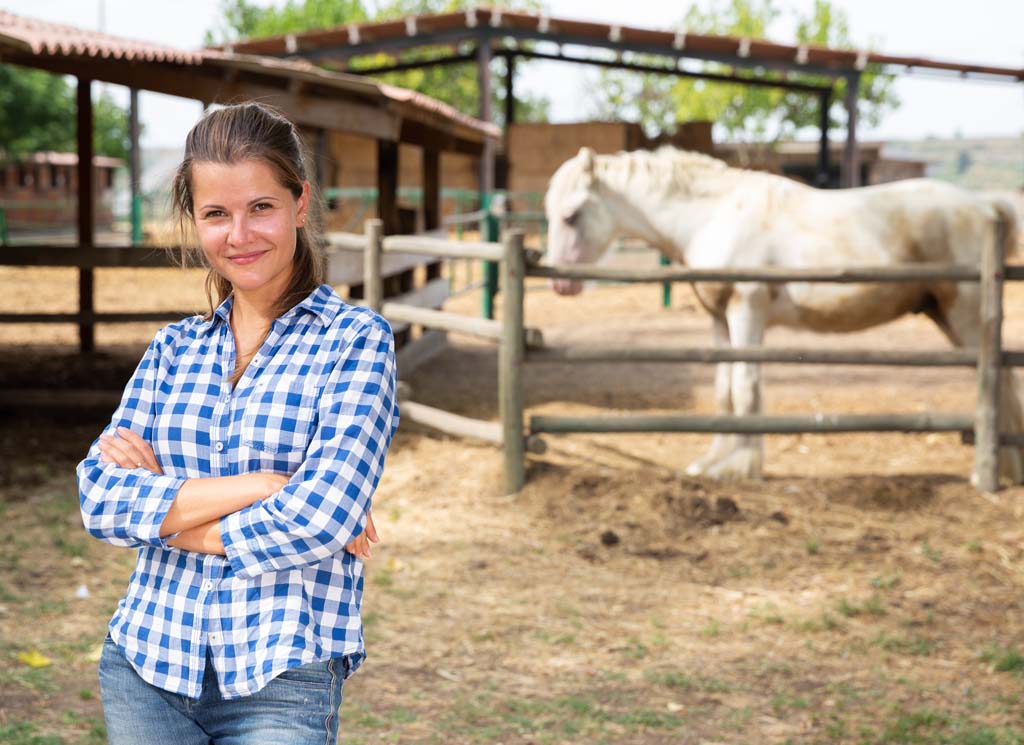
Advanced Certificate In Applied Management (Horses) Duration icon 900 hours Qualification icon Advanced Certificate Modules icon 9 modules

Combine your passion with your lifestyle!

A course designed to equip students with a range of necessary management and horse care skills. Students undertake core studies in marketing and business operations combined with three stream units in horse care, plus two elective units of study.

Topics covered include: horse psychology & handling, buying a horse, conformation, the digestive system, principles of feeding and watering, pasture management, grooming, shoeing, exercise and conditioning, stable design and general management. Coupled with a workplace project ensures that this comprehensive qualification is to a standard required in the horse industry.

Accredited by International Accreditation and Recognition Council - IARC

Learning methods available: This course can be studied via Correspondence Correspondence This course can be studied Online Online This course can be studied through E-Learning E-Learning Read more & enrol: Advanced Certificate In Applied Management (Horses)

Advanced Diploma In Agriculture - Alternative Agriculture Duration icon 2400 hours Qualification icon Advanced Diploma Modules icon 24 modules

Innovative and environmentally aware leaders are needed to meet the challenge of changing the global marketplace!

Farmers are the frontline in dealing positively and proactively in managing environmental needs. When we think of complex ecosystems, natural habitats and endangered species, people need to realise these natural assets are literally in farmers’ backyards. Environmental concerns and the looming food crisis are confronting all agricultural enterprises. There is an immediate need for agricultural leaders who can respond in an intelligent and environmentally aware manner.

The key to success is to respond quickly and think laterally!

Success may be gained by looking outside the corporate-controlled agricultural environment toward creating new markets, by value adding, or by designing market niches not able to be readily filled by mass market competition.

Make the change now!

This is a very solid  training program for people wishing to work in alternative areas of agriculture at a technician or management level - in positions such as a farm manager, technical representatives, trainers or consultants. Or for farmers wishing to step away from the out-dated, chemical-based farming systems.

This course is internationally accredited through the I.A.R.C

Learning methods available: This course can be studied via Correspondence Correspondence Read more & enrol: Advanced Diploma In Agriculture - Alternative Agriculture

Advanced Diploma In Agriculture - Animal Husbandry Duration icon 2400 hours Qualification icon Advanced Diploma Modules icon 24 modules

Searching for a qualification related to the rural sector?

This course provides training for people wishing to work in agriculture at a technician or management level; in positions such as a farm manager, technical representatives, trainers or consultants. In addition to studying animal science, animal husbandry and animal production modules, you will also undertake research projects into your chosen industry. Workplace experience is a component of your studies and this helps to build your industry knowledge and experiences.  Learn about general animal care, health and welfare; and farm animal production as a preparation for a professional career in the farm or grazing industries.

This course is internationally accredited through the I.A.R.C

Learning methods available: This course can be studied via Correspondence Correspondence This course can be studied Online Online This course can be studied through E-Learning E-Learning Read more & enrol: Advanced Diploma In Agriculture - Animal Husbandry

Agricultural Marketing Duration icon 100 hours Qualification icon Statement of Attainment Lessons icon 8 lessons

BUILD YOUR BUSINESS PROFITS

Being a successful rural businessman or woman is a difficult managerial role. Very few non-rural businesses are presented with the continuing changes and variations that confront a rural business. The impact of climate means the rural manager has to continually consider, evaluate, assess (and reassess) often on a daily or even hourly basis, the numerous changes and types of information that may affect the rural business success.

This course develops your ability to understand, analyse and manage marketing problems in an agricultural enterprise.

Learning methods available: This course can be studied via Correspondence Correspondence This course can be studied Online Online This course can be studied through E-Learning E-Learning Read more & enrol: Agricultural Marketing

Animal Anatomy And Physiology (Animal Husbandry I ) Duration icon 100 hours Qualification icon Statement of Attainment Lessons icon 11 lessons

Clean the skeletons out of your closet!

Develop a sound foundation knowledge of animal anatomy and physiology as a basis to understanding the care and management of animals. This course is the starting point for working with animals in any situation. Study - cells & tissues; the digestive system; the circulatory system; the urinary system; the nervous system; respiration; the reproductive system; muscles & meat; the skeleton; animal growth, development, and the endocrine system; and the comparison of different animals.

"The course teaches you the different systems within animals in terms of structure and function, cell and tissue structure, and also the differences between different categories of animals." Marius Erasmus - B.Sc.Agriculture, B.Science (Wildlife), M.Sc.Agriculture

Learning methods available: This course can be studied via Correspondence Correspondence This course can be studied Online Online This course can be studied through E-Learning E-Learning Read more & enrol: Animal Anatomy And Physiology (Animal Husbandry I )

Animal Behaviour Duration icon 100 hours Qualification icon Statement of Attainment Lessons icon 8 lessons

Avoid the need for crisis counselling

This is a course developed and tutored by academics and practitioners from a background in agriculture, veterinary science and wildlife management. It covers genetics and behavior, behavior and the environment, social behavior, instinct and learning, handling animals and problem behavior and also looks at aggression, circadian rhythms, conditioning, learning, animal perception, causes of behavior and much more.

A useful course for students who have an interest in the scientific understanding of animal behaviour. This will enable students to evaluate behavioural characteristics in animals with which they are in contact.

Learning methods available: This course can be studied via Correspondence Correspondence This course can be studied Online Online This course can be studied through E-Learning E-Learning Read more & enrol: Animal Behaviour

Animal Breeding Duration icon 100 hours Qualification icon Statement of Attainment Lessons icon 7 lessons

Family planning pays dividends

Plan and implement animal breeding programs using genetic theory, practical applications to daily husbandry practice, and management of animal breeding programs. This course includes a sound introduction to genetics. Relevant to any type of animal. Personal guidance from highly qualified and experienced animal scientists and practitioners. Topics covered include: introduction to genetics; selection; pure breeding; introduction to cross breeding; cross breeding and livestock improvement.

The course is particularly useful to students who are or wish to be involved in agricultural livestock production." Marius Erasmus - B.Sc.Agriculture, B.Science (Wildlife), M.Sc.Agriculture
Learning methods available: This course can be studied via Correspondence Correspondence This course can be studied Online Online This course can be studied through E-Learning E-Learning Read more & enrol: Animal Breeding

Animal Feed & Nutrition (Animal Husbandry III) Duration icon 100 hours Qualification icon Statement of Attainment Lessons icon 10 lessons

Evaluate feedstuffs and design rations

Learn the composition of a range of feeds, including pasture, fodder crops, grasses, cereals, seed, and other edible plants. This course also explains the role of proteins, vitamins and minerals in animal diets. It equips you with the skills required to evaluate feeding and select appropriate feeds - for digestibility and nutritional content - applicable to real life farming situations.

Learning methods available: This course can be studied via Correspondence Correspondence This course can be studied Online Online This course can be studied through E-Learning E-Learning Read more & enrol: Animal Feed & Nutrition (Animal Husbandry III)

Animal Health (Animal Husbandry II) Duration icon 100 hours Qualification icon Statement of Attainment Lessons icon 10 lessons

Recognise and respond to diseases and other health conditions

A solid introduction to animal health, where you learn to assess animal health, explain a variety of conditions and identify appropriate treatments or responses to a range of more common complaints or illnesses. Specific topics include signs and symptoms of diseases  disease classification, causes of disease, inflammation, fever and immunity, tissue repair, wounds and cell changes (e.g.death, cancers).

It is helpful to complete Animal Husbandry I before undertaking this course.

Learning methods available: This course can be studied via Correspondence Correspondence This course can be studied Online Online This course can be studied through E-Learning E-Learning Read more & enrol: Animal Health (Animal Husbandry II)

Animal Health Care Duration icon 100 hours Lessons icon 12 lessons

Man's best friend deserves some tender loving care

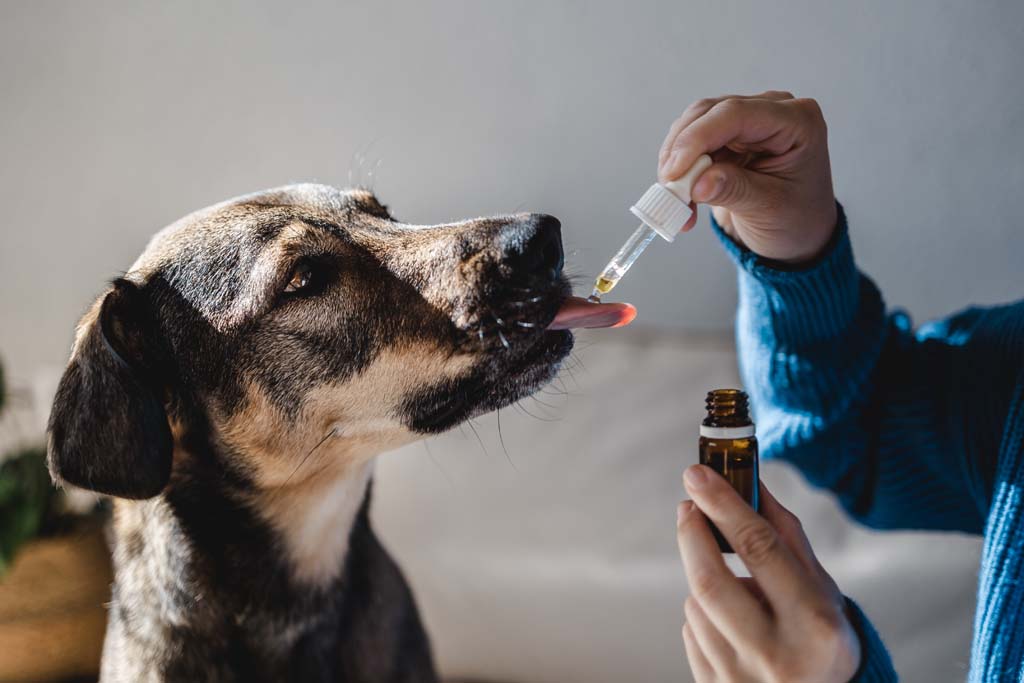
Learn to care for the health of any type of animal and understand the scope of services offered by animal care services, including in veterinary practices. This course is appropriate for anyone interested in working with animals including on a farm, a wildlife park or a veterinary practice. It is a sound foundation course and designed to cover most of what is found in a typical veterinary assistants course in many countries around the world.

Student comment: " I cannot praise the animal health care course highly enough. I have learnt a great deal, far beyond my wishes" G. Kite

Learning methods available: This course can be studied via Correspondence Correspondence This course can be studied Online Online This course can be studied through E-Learning E-Learning Read more & enrol: Animal Health Care

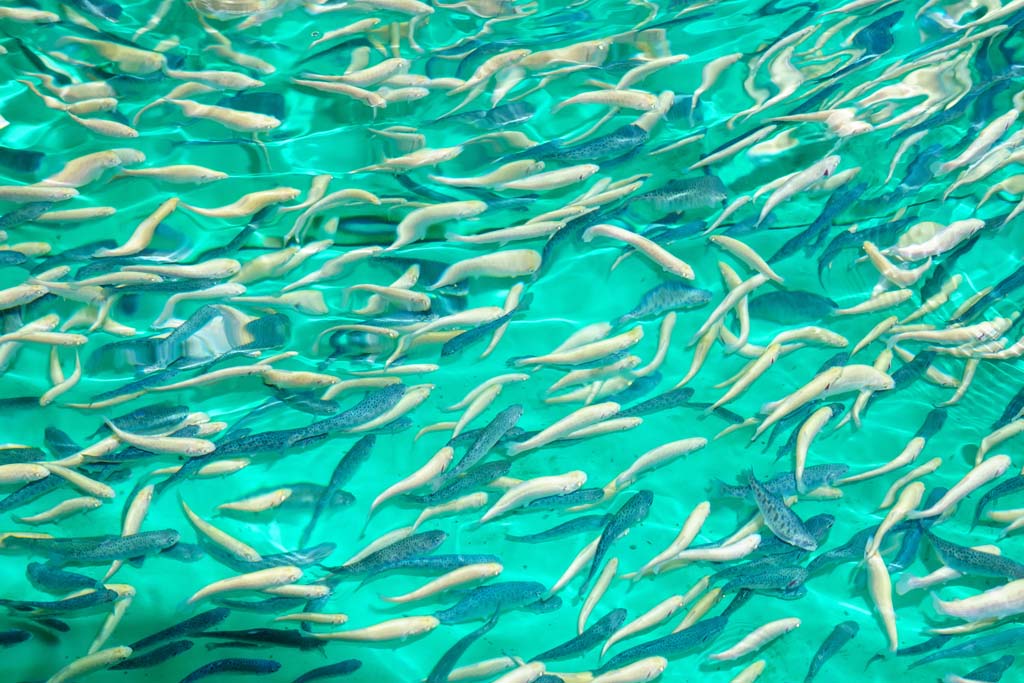
Aquaculture Duration icon 100 hours Qualification icon Statement of Attainment Lessons icon 10 lessons

Study the principles of aquaculture production

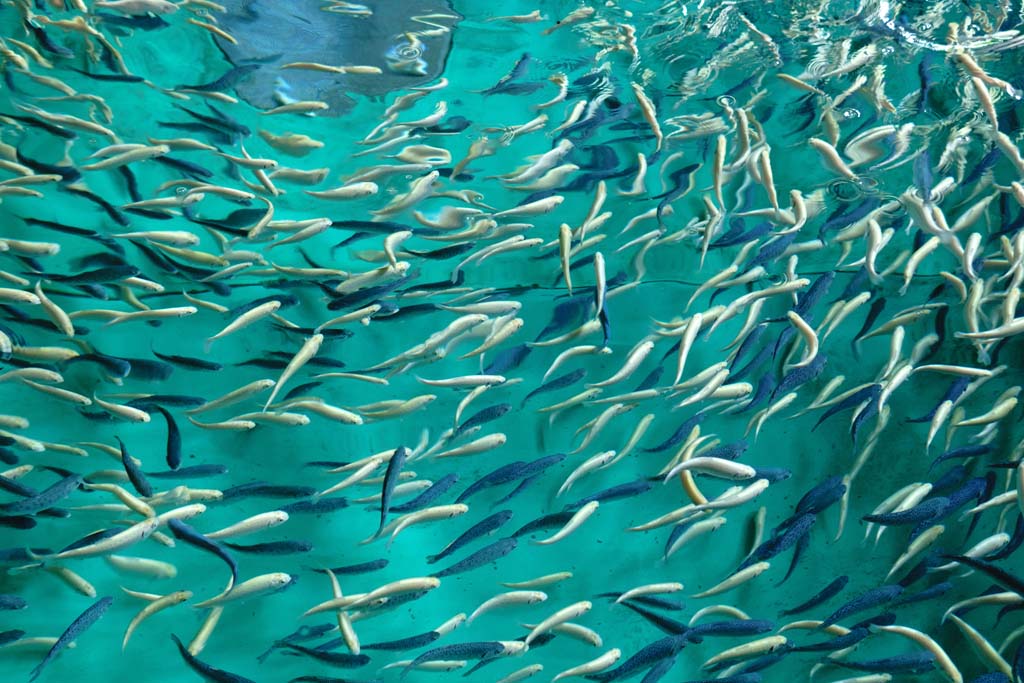
Aquaculture is the farming of water creatures for human consumption. The course aims to develop your ability to analyse information and make decisions about the development and management of freshwater aquaculture enterprises.  It deals with the culture and care of freshwater aquatic animals with a focus on Trout, Barramundi, Bass, Marron, Red Claw and the Yabbie. You will learn about production systems, other species, feeding, harvesting and health of fish as well as set up of an aquaculture venture.

The course is suitable for students looking to enter the aquaculture industry who wish to gain a greater knowledge and a qualification in order to promote their career prospects."

Marius Erasmus - B.Sc.Agriculture, B.Science (Wildlife), M.Sc.Agriculture

Learning methods available: This course can be studied via Correspondence Correspondence This course can be studied Online Online This course can be studied through E-Learning E-Learning Read more & enrol: Aquaculture

Associate Diploma In Equine Studies Duration icon 1500 hours Qualification icon Associate Diploma Modules icon 15 modules

Plan for an exciting career working with horses

This comprehensive, quality course will teach you all you need to know about running an equine facility or service. You will learn how to care for horses, manage equine events, and run a successful equine farm.

The only thing this course won’t teach you is how to ride a horse!

This course is internationally accredited through - I.A.R.C

Learning methods available: This course can be studied via Correspondence Correspondence This course can be studied Online Online This course can be studied through E-Learning E-Learning Read more & enrol: Associate Diploma In Equine Studies

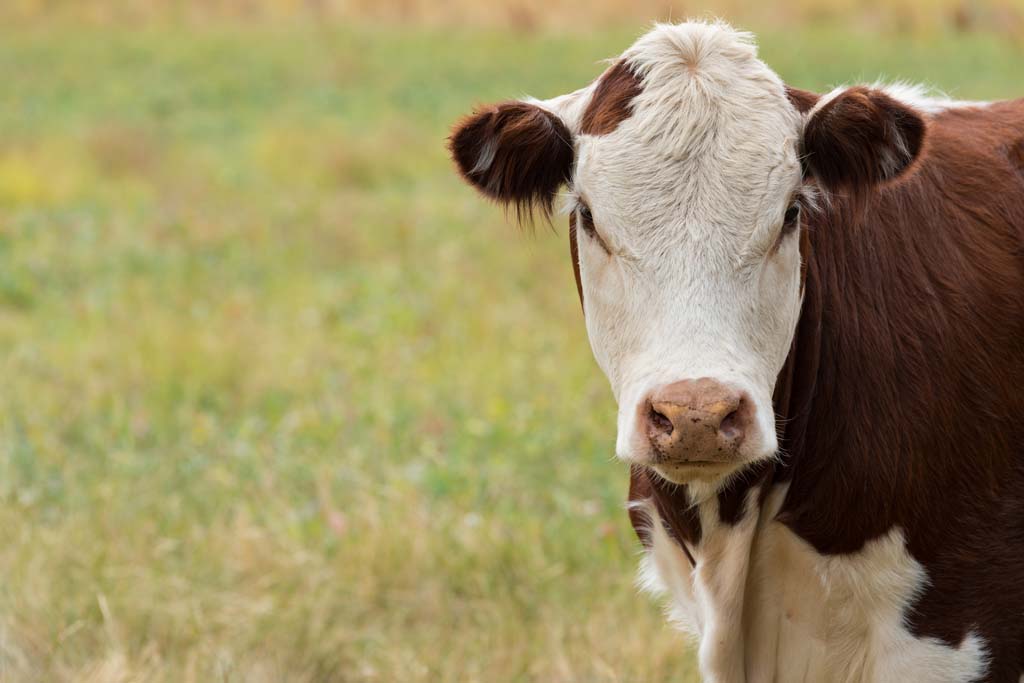
Beef Cattle Duration icon 100 hours Qualification icon Statement of Attainment Lessons icon 10 lessons

Beef up on industry knowledge and experience

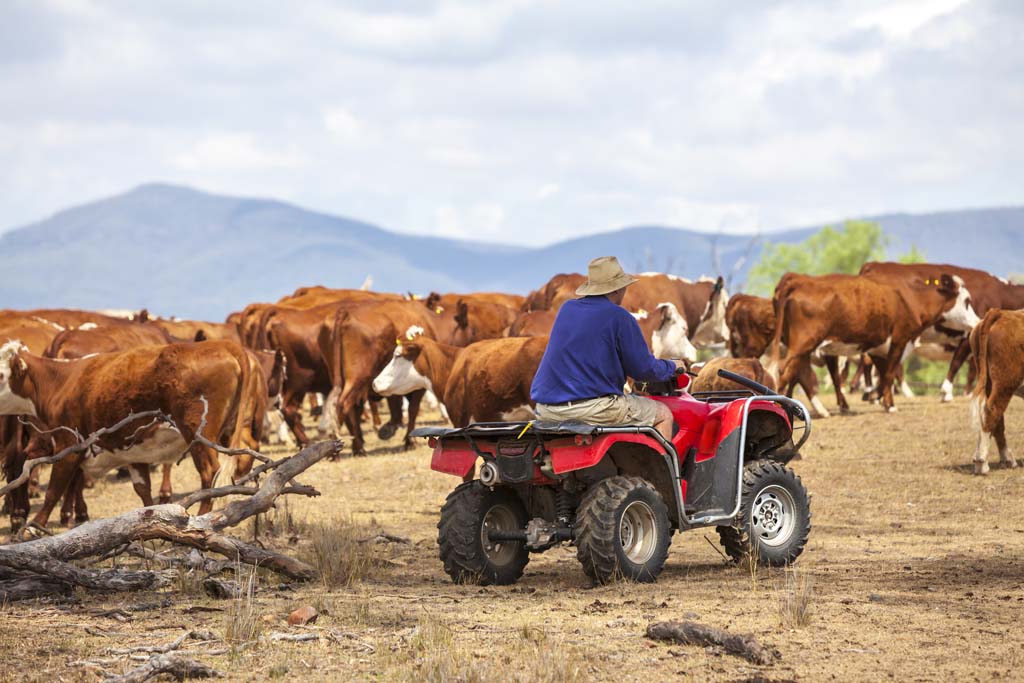
This course is designed to help producers analyse and make decisions about the management requirements of beef cattle. After completing the course you should be able to describe and explain the principles and practices of beef cattle husbandry and management. Topics covered include beef breeds, production systems, breeding programs, diseases, nutrition, herd management, economics and marketing.

 "I find that I can apply my knowledge directly on the property. All assignments are relative to real life" C. Rowland-Jones - Beef Cattle Student

Learning methods available: This course can be studied via Correspondence Correspondence This course can be studied Online Online This course can be studied through E-Learning E-Learning Read more & enrol: Beef Cattle

Calf Rearing Duration icon 100 hours Qualification icon Statement of Attainment Lessons icon 7 lessons

Avoid costly losses by learning correct management procedures

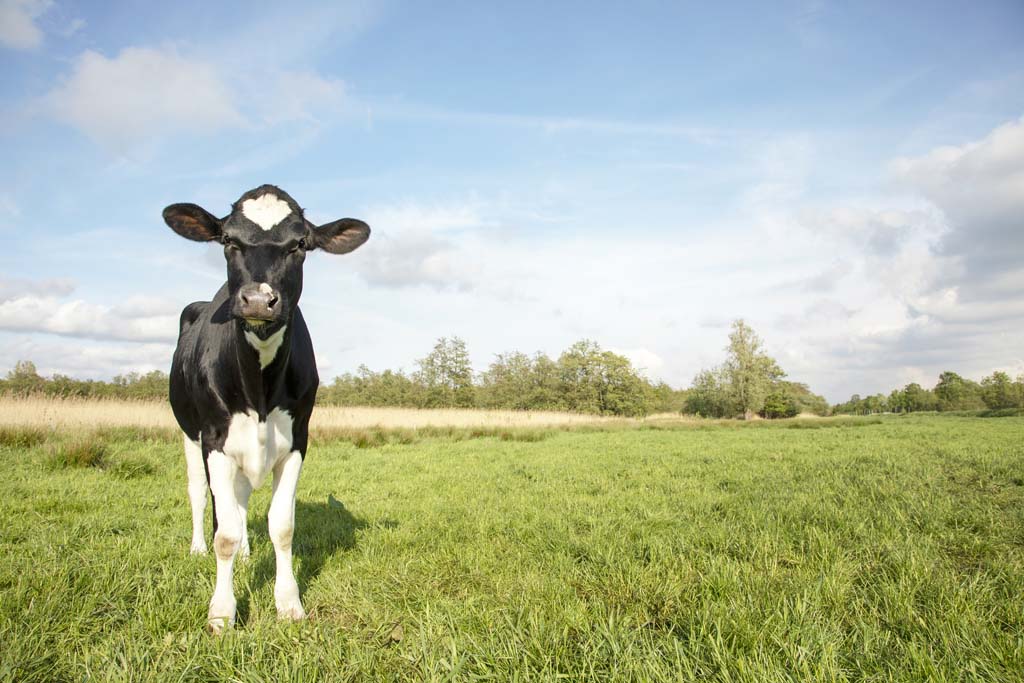
Select and raise calves for specific purposes such as: dairy replacement heifers, veal and stud breeding. Identify and deal with health and other problems that may occur along the way. On successful completion of this course you will be able to independently analyse and make decisions about the requirements of calves. Lessons cover: calving and culling; calving management; health management; rearing systems and calf housing; weaning and post weaning care.

“The subject is relevant to people in the dairy and veal industries or anyone who has to rear orphan calves” M. Cullen - Dip. LNR, Assoc. Dip. SMI, B. Teaching, B. GS (Ling/Sci)

Learning methods available: This course can be studied via Correspondence Correspondence This course can be studied Online Online This course can be studied through E-Learning E-Learning Read more & enrol: Calf Rearing

Certificate - Self Designed

CAN'T FIND EXACTLY THE RIGHT COURSE?

THEN CONSIDER THIS OPTION

We can help you design a course that is tailored to your specific needs and interests. Alternatively you can simply choose the required number of related modules or short courses. Submit your module list to the school for approval.

Designing your own certificate does have some major advantages, including:

  • The capacity to have an education that is unique to your situation (different to most people you are likely to encounter in your working life).
  • The capacity to avoid studying subjects which are irrelevant or less relevant to you

By being different, you may well give yourself an advantage over your competition in business or work.

ONLY MODULES LISTED AS AVAILABLE ON LINE or ON CD MAY BE STUDIED BY THOSE METHODS 

Learning methods available: This course can be studied via Correspondence Correspondence This course can be studied Online Online This course can be studied through E-Learning E-Learning Read more & enrol: Certificate - Self Designed

Certificate In Agriculture Duration icon 600 hours Qualification icon Certificate Modules icon 6 modules

New to farming or just wanting to refresh and enhance your existing knowledge?

This course will assist you in developing the knowledge and skills required to run a farm or work confidently in the farming environment. Core units equip you with the basics needed for general animal health, farm management, and all important marketing skills. In addition to the core modules you are able personalise the course by selecting three elective units from a list that includes soil and pasture management ,and a variety of other subjects.

This course is an excellent starting point for learning the fundamentals of farming. It is also of value to people already involved in the industry who want to refresh or further develop their skills and knowledge. You will have access to feedback from course tutors are fully qualified in the various subjects and who possess a wide range of industry knowledge and experience.

Course is accredited by the International Accreditation and Recognition Council (IARC)

  . .

Learning methods available: This course can be studied via Correspondence Correspondence This course can be studied Online Online This course can be studied through E-Learning E-Learning Read more & enrol: Certificate In Agriculture

Certificate In Alternative Farming Duration icon 600 hours Modules icon 6 modules

Dare to be different!!

A foundation course for people exploring opportunities for maximising farm income  while responding to environmental issues and changes. The course guides students in the development of skills and knowledge in alternative farming methods using materials which have a minimal impact on the environment. Compulsory modules include units of study in sustainable methods of agriculture and organic farming.

Elective modules include a broad range of topics specific to alternative farming. Check these through the link below.

This course is internationally accredited through - I.A.R.C

Learning methods available: This course can be studied via Correspondence Correspondence This course can be studied Online Online This course can be studied through E-Learning E-Learning Read more & enrol: Certificate In Alternative Farming

Certificate in Animal Health Duration icon 600 hours Qualification icon Certificate Modules icon 6 modules

Rainbow Lorikeet.Train for a Career in Animal Health or Welfare

This is a comprehensive and highly practical course; for anyone who wants to better understand the health and well-being of animals. It is designed to provide a foundation for employment in any type of animal care job; whether pets, domesticated farm livestock or wildlife (captive or free).   Learn about animal anatomy and physiology, diagnosing animal diseases, natural animal health care, animal health and care and either animal psychology or animal feed and nutrition.

Learning methods available: This course can be studied via Correspondence Correspondence This course can be studied Online Online This course can be studied through E-Learning E-Learning Read more & enrol: Certificate in Animal Health

Certificate in Animal Husbandry Duration icon 600 hours Qualification icon Certificate Modules icon 6 modules

ANIMAL HUSBANDRY AND TECHNIQUES

This is a relevant course for all animal owners and farmers. During the course of your studies you will learn about animal breeds, behaviour, nutrition, animal health care issues and general management methods. You will research and learn to recognise different parasites and diseases that affect the well being of animals, and implement control strategies for common problems.

The choice of elective subjects allows students to structure their learning around topics that are relevant to their situation or interests.

This make  for a highly adaptable qualification that is popular with many students.

Learning methods available: This course can be studied via Correspondence Correspondence This course can be studied Online Online This course can be studied through E-Learning E-Learning Read more & enrol: Certificate in Animal Husbandry

Certificate in Equine Husbandry Duration icon 600 hours Qualification icon Certificate Modules icon 6 modules

Study the husbandry and feeding of horses

Understanding the anatomy, physiology, feeding, biology and husbandry of horses is critical for anyone who works with horses. While the horse indusrty has many disciplines and interest groups, the foundations in understanding how to properly care for horse remain the same.

Core modules are Horse Care (I, II and III) and Equine Behaviour. These subjects are fundamental to any study of horses. Elective subjects include Animal Husbandry I (Anatomy and Physiology), Animal Husbandry II (Animal Health), Animal Husbandry III (Feed and Nutrition) and Animal Breeding.

Learning methods available: This course can be studied via Correspondence Correspondence This course can be studied Online Online This course can be studied through E-Learning E-Learning Read more & enrol: Certificate in Equine Husbandry

Dairy Cattle Duration icon 100 hours Qualification icon Statement of Attainment Lessons icon 9 lessons

ENHANCE YOUR DAIRY KNOWLEDGE

This is a very solid foundation course developed in collaboration with industry and by our team of experts including agriculturalists, animal scientists and veterinary surgeons. Dairy Cattle is the course for you if you want to learn about:

  • Dairy breeds
  • Managing anything from one cow to a large herd
  • Dairy products (milk, cheese, cream butter etc)
  • Managing the health of your dairy herd

Learning methods available: This course can be studied via Correspondence Correspondence This course can be studied Online Online This course can be studied through E-Learning E-Learning Read more & enrol: Dairy Cattle

Diploma in Agriculture Duration icon 2100 hours Qualification icon Diploma Modules icon 21 modules

Extend your Agricultural knowledge-base

This diploma level course is designed for students who wish to extend their existing studies or knowledge of agriculture. Students are required to complete 20 units or modules of study normally including three (3) stream modules - Research Project I and II plus 100 hours of industry meetings, seven (7) core modules, and eleven (11) electives.

The Research Projects allow students to focus their studies on a particular area of interest that is relevant to their particular situation. Projects provide an way for students to practice applied skills and show-case their knowledge through a completed prestentation.

Core units concentrate on the fundamentals of soil and pasture management, water conservation and management, OHS, budgeting and marketing. Students can further focus their studies to suit their individual needs through the selection of elective modules.

Learning methods available: This course can be studied via Correspondence Correspondence Read more & enrol: Diploma in Agriculture

Diploma in Animal Management Duration icon 2100 hours Qualification icon Diploma Modules icon 21 modules

Learn to Manage Captive Animals

Train for a career or manage a business in farming, pet industries or with wildlife. Core modules focus on the study of anatomy, physiology, vertebrate zoology, animal behaviour, feed and nutrition, animal biochemistry, health and diseases, and genetics. These modules give students a thorough grounding in the biology of animals. The choice of electives enables students to streamline their studies to apply to their own situations.

Learning methods available: This course can be studied via Correspondence Correspondence Read more & enrol: Diploma in Animal Management

Engineering I - Machinery and Equipment Duration icon 100 hours Qualification icon Statement of Attainment Lessons icon 8 lessons

Develop a basic understanding of farm machinery and equipment

An introductory subject which aims to develop an ability to manage the selection, operation and maintenance of tools and machinery, with particular reference to agriculture and horticulture. Learn the use and operation of tools, equipment and machines.
Learning methods available: This course can be studied via Correspondence Correspondence This course can be studied Online Online This course can be studied through E-Learning E-Learning Read more & enrol: Engineering I - Machinery and Equipment

Engineering II - Engineering Applications Duration icon 100 hours Qualification icon Statement of Attainment Lessons icon 9 lessons

Improve your knowledge of engineering

This course complements Engineering I. It aims to help the student develop the skills and understanding to apply appropriate and innovative engineering solutions, to improve efficiency and productivity in agriculture and horticulture. It covers: surveying, earthworks, water management, environmental control (e.g. heating, cooling, ventilation, etc.), fencing, chemical applications, mechanisation of manual tasks, improving engineering efficiency/operations and developing engineering solutions to different workplace tasks/problems.

Learning methods available: This course can be studied via Correspondence Correspondence This course can be studied Online Online This course can be studied through E-Learning E-Learning Read more & enrol: Engineering II - Engineering Applications

Equine Behaviour Duration icon 100 hours Qualification icon Statement of Attainment Lessons icon 7 lessons

Training without tears

Understand and recognise what constitutes normal behaviour in your horse and learn to respond appropriately to  abnormal behaviour. The study of equine behaviour provides a foundation for more sensitive and informed care and training of horses. Lessons cover genetics, perception and behaviour, communication and social behaviour, sexual and reproductive behaviour, learning and training and behavioural problems.

“This is a fascinating topic. Anyone who works with horses will get value from completing the course. Horses are large animals in relation to their human trainers and they cannot be trained safely or effectively using brute force. Having a deeper understanding of equine behaviour and intelligence will allow you to minimise the frustration you may often feel when trying to handle your horse.”  J. Pollock - B. Sc. (Biology), Dip. Prof. Ed.

Learning methods available: This course can be studied via Correspondence Correspondence This course can be studied Online Online This course can be studied through E-Learning E-Learning Read more & enrol: Equine Behaviour

Farm Management Duration icon 100 hours Qualification icon Statement of Attainment Lessons icon 8 lessons

Want to make more money?

Farming is just as much about management as it is about animal or crop production. Unfortunately in today's world, the ability to produce a good animal or crop is no guarantee of success! The course relates to managing all resources, including; production, staff, physical resources, and natural resources. You learn strategic planning, whole farm planning, and how to prepare a business plan.

 This course was developed by a team of experts from Australia and the UK, under the leadership of John Mason, author of three Farm Management books (published by imprints of Simon & Schuster and CSIRO)

Learning methods available: This course can be studied via Correspondence Correspondence This course can be studied Online Online This course can be studied through E-Learning E-Learning Read more & enrol: Farm Management

Horse Care I Duration icon 100 hours Qualification icon Statement of Attainment Lessons icon 7 lessons

Manage the daily requirements of your horse

Learn about horse psychology and handling, evaluate conformation, understand the importance of dietary requirements to the horse, learn about the horses digestive system and the principles of feeding and watering your horse, use correct grooming procedures, develop appropriate management procedures and broaden existing knowledge of commercial opportunities in the horse world. Manage horses kept on pasture and learn relevant pasture management techniques to maintain productivity and prevent "horse sick" pastures.

Learning methods available: This course can be studied via Correspondence Correspondence This course can be studied Online Online This course can be studied through E-Learning E-Learning Read more & enrol: Horse Care I

Horse Care II Duration icon 100 hours Qualification icon Statement of Attainment Lessons icon 7 lessons

Feeds and nutrition, stable management, exercise and conditioning

This course follows on from Horse Care I. While the course is relevant to horses at grass, it does focus more heavily upon care of the stabled performance horse. The course covers feed is and nutrition , stabling, foot care, bedding, tack and conditioning of the horse. This is a stand alone course and may be taken without Horse Care I as a prerequisite.

Ideally it should be studied as a complete course of study in conjunction with Horse Care I and Horse Care III.

A highly recommended course is the Certificate in Equine Husbandry

Learning methods available: This course can be studied via Correspondence Correspondence This course can be studied Online Online This course can be studied through E-Learning E-Learning Read more & enrol: Horse Care II

Horse Care III Duration icon 100 hours Qualification icon Statement of Attainment Lessons icon 6 lessons

Manage the health and condition of your horse

Manage the health and condition of horses in different situations. Learn to identify signs of poor condition and ill health, and address the problems appropriately. Understand the things that can stress a horse and increase susceptibility to problems. Learn how to manage situations to minimise risk factors. The course has been designed to complement Horse Care I and Horse Care II – but can be studied as a “stand alone” subject.

Learning methods available: This course can be studied via Correspondence Correspondence Read more & enrol: Horse Care III

Irrigation Duration icon 100 hours Qualification icon Statement of Attainment Lessons icon 10 lessons

WATER - MANAGE THIS SCARCE RESOURCE WISELY

Water is essential to both plant and animal growth and is often the major limitation to productivity. Irrigation is now playing a more important role in agriculture than ever before. However, depending on the climate, the value of the plants or animals, the value of the land and it's suitability for irrigation, the cost, reliability and quality of the water supply, irrigation may or may not be possible or feasible. Irrigation may enable plants to be grown in a dry climate where it would not otherwise be possible, or it may supplement the existing rainfall and improve growth rates by extending the growth period of the plant, or by ensuring there is adequate moisture during critical periods when the plant is growing most rapidly. The value of irrigation can vary greatly from year to year depending on the distribution of rainfall during the growth season.

Learning methods available: This course can be studied via Correspondence Correspondence Read more & enrol: Irrigation

Irrigation Management Duration icon 100 hours Qualification icon Statement of Attainment Lessons icon 8 lessons

MANAGE WELL AND AVOID WASTE

There should be plenty of water for everyone, however three controlling factors: very unequal distribution, rapidly rising demand and increasing pollution around urban and industrial areas means that some areas of the planet are already using water at a greater rate than it is being replenished. This includes parts of Western Australia, and parts of NSW and Victoria. Water management will become increasingly important to try and cater for the increasing demand for useable water.

The aim of irrigation management is to reuse water as much as possible, to collect and store as much water as possible, and to ensure that what water you do use is used in an efficient manner. This course builds on Irrigation BAG213. It teaches you to manage the design and operation of large scale irrigation systems.

Prerequisites:  Irrigation (Agriculture) BAG213 or equivalent (BHT 210 or BHT304) must be completed prior to commencing this course.

Learning methods available: This course can be studied via Correspondence Correspondence Read more & enrol: Irrigation Management

Natural Health Care for Animals Duration icon 100 hours Qualification icon Statement of Attainment Lessons icon 8 lessons

Healthy, effective alternatives to synthetic chemicals do exist

Would you like to work and care for animals in a more natural and holistic and avoid chemical toxicity and adverse reactions in your pets and children? This course covers holistic therapies such as naturopathy, homeopathy, herbal treatments, tactile therapy, and natural nutrition and discusses a range of conditions that affect domestic animals and provides  a range of  natural ideas and solutions for treating these conditions.

“This course has been written to give people an overview of philosophies associated with this diverse and interesting topic. It deals with possible remedies for different common animal problems and conditions.”  M. Cullen - Dip. Landcare & Natural Resources, Assoc. Dip. SMI, B. Teaching

Learning methods available: This course can be studied via Correspondence Correspondence This course can be studied Online Online This course can be studied through E-Learning E-Learning Read more & enrol: Natural Health Care for Animals

Organic Farming Duration icon 100 hours Qualification icon Statement of Attainment Lessons icon 10 lessons

Be part of the farming future

On a worldwide scale organic farming methods are being adopted by farmers for economic, ethical and sustainability  reasons. Climatic changes and the impact of  outdated farming practices have led to a revolution in how we approach food production. Demand for organic produce has boomed over recent years. Supermarkets now devote significant shelf space to organic produce. Organic certification schemes have emerged and flourished. Manage plant and animal production in a more natural and environmentally sensitive way, and develop a sound foundation for understanding how to set up an organic farm, or convert an existing farm to organic practices.

The course covers organic management issues such as certification, marketing, and environmental concerns, organic soil management and crop nutrition, weed management, pest and disease management, livestock management, pasture and crops.

Learning methods available: This course can be studied via Correspondence Correspondence This course can be studied Online Online This course can be studied through E-Learning E-Learning Read more & enrol: Organic Farming

Pasture Management Duration icon 100 hours Qualification icon Statement of Attainment Lessons icon 8 lessons

Evaluate, design and make decisions about pasture management

This comprehensive course investigates different pasture types, the structure, growth and development of grasses, grass identification, the establishment of new pastures, the importance of legumes in pastures, selection of pasture types, seed mix, management of existing pastures, native grasslands, weed control, limiting factors, managing stock on pasture, management works.

Pasture management is such an important part of any industry that involves grazing animals. The profitability and sustainability of pastures is vital to these operations. A recommended comprehensive course on the subject.” M. Cullen - Dip. Landcare & Natural Resources, Assoc. Dip. SMI, B. Teaching

Learning methods available: This course can be studied via Correspondence Correspondence This course can be studied Online Online This course can be studied through E-Learning E-Learning Read more & enrol: Pasture Management

Pet Care Duration icon 100 hours Qualification icon Statement of Attainment Lessons icon 8 lessons

Extend your knowledge and capacity to care for all types of pets.

A sound introduction to caring for a wide variety of different of different pets. Covers dogs, cats, fish, birds, rabbits, rodents, reptiles and amphibians. The course was developed and is tutored by highly qualified and experienced professionals including Veterinary Surgeon,s a former wildlife park manager, and university lecturers.  The course provides an outstanding opportunity to extend your knowledge, perspective and capacity to care for all types of pets. 

Learning methods available: This course can be studied via Correspondence Correspondence This course can be studied Online Online This course can be studied through E-Learning E-Learning Read more & enrol: Pet Care

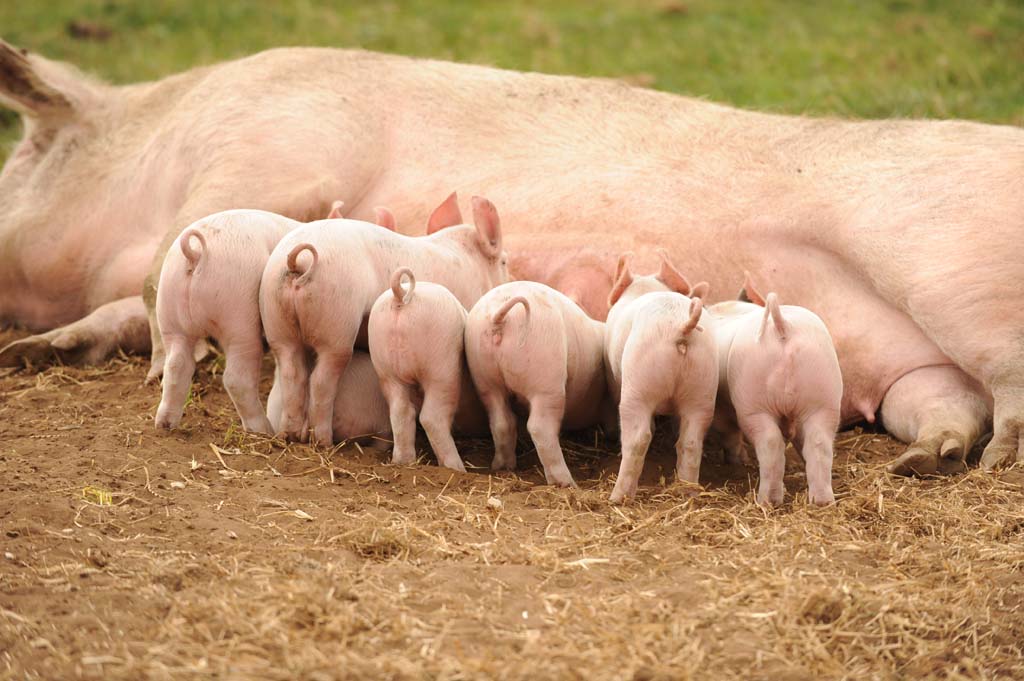
Pigs Duration icon 100 hours Qualification icon Statement of Attainment Lessons icon 9 lessons

Pigs.

Pig management: for commercial production, self sufficiency or hobby

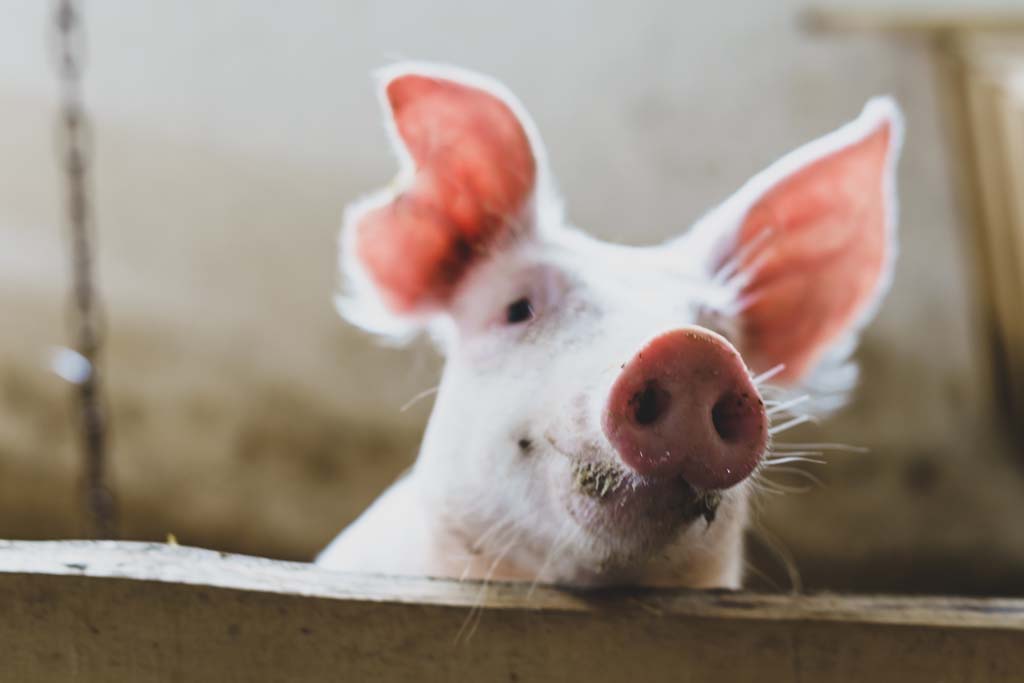
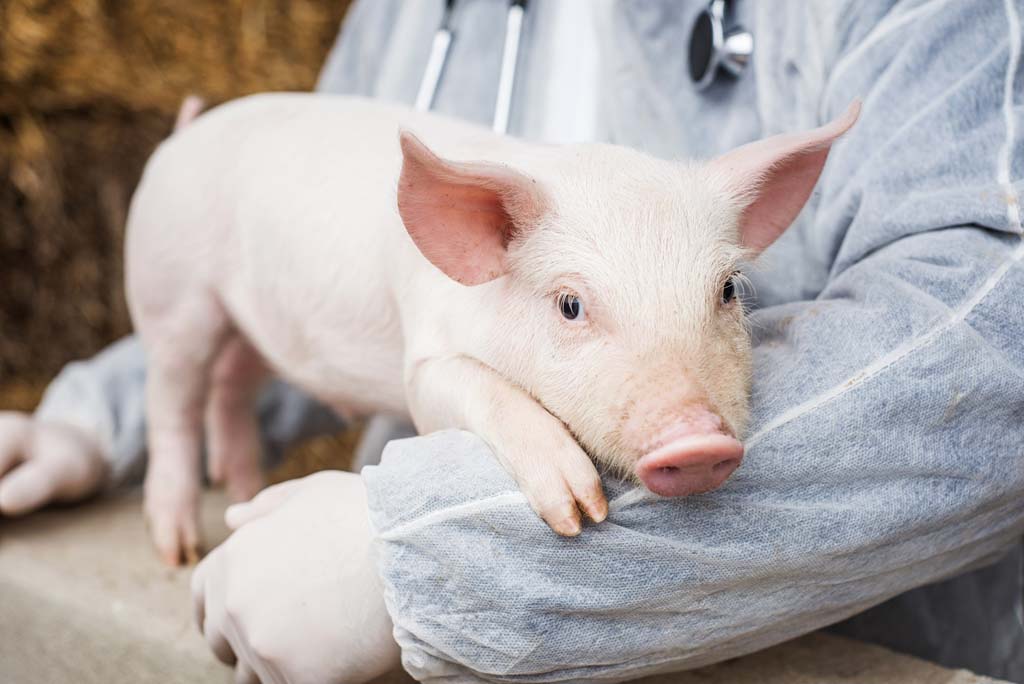
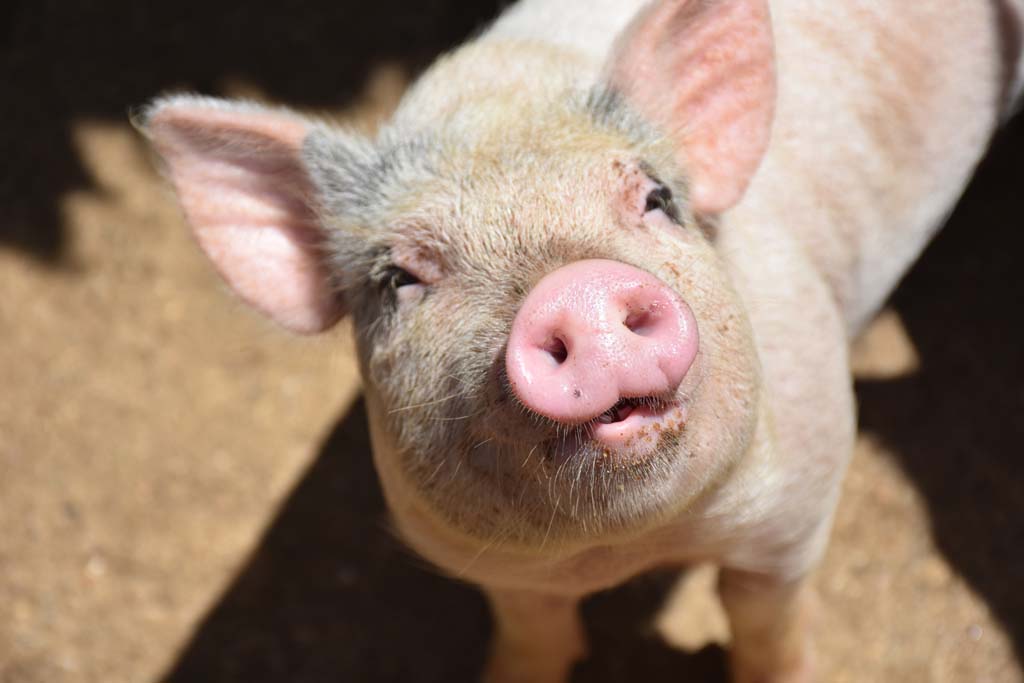
This course is relevant to whatever production system you use. Due to better breeding, stricter selection and scientific feeding the modern pig can produce good quality pork or bacon. The feeding system and age at slaughter will determine what the pig will produce. Learn about pig biology and production; covering such things as breeding and selection, feeding, diseases, boar management, managing the sow and litter, fattening pigs, record keeping and more.

Learning methods available: This course can be studied via Correspondence Correspondence This course can be studied Online Online This course can be studied through E-Learning E-Learning Read more & enrol: Pigs

Poultry Duration icon 100 hours Qualification icon Statement of Attainment Lessons icon 8 lessons

WHICH COMES FIRST - THE CHICKEN OR THE EGG?

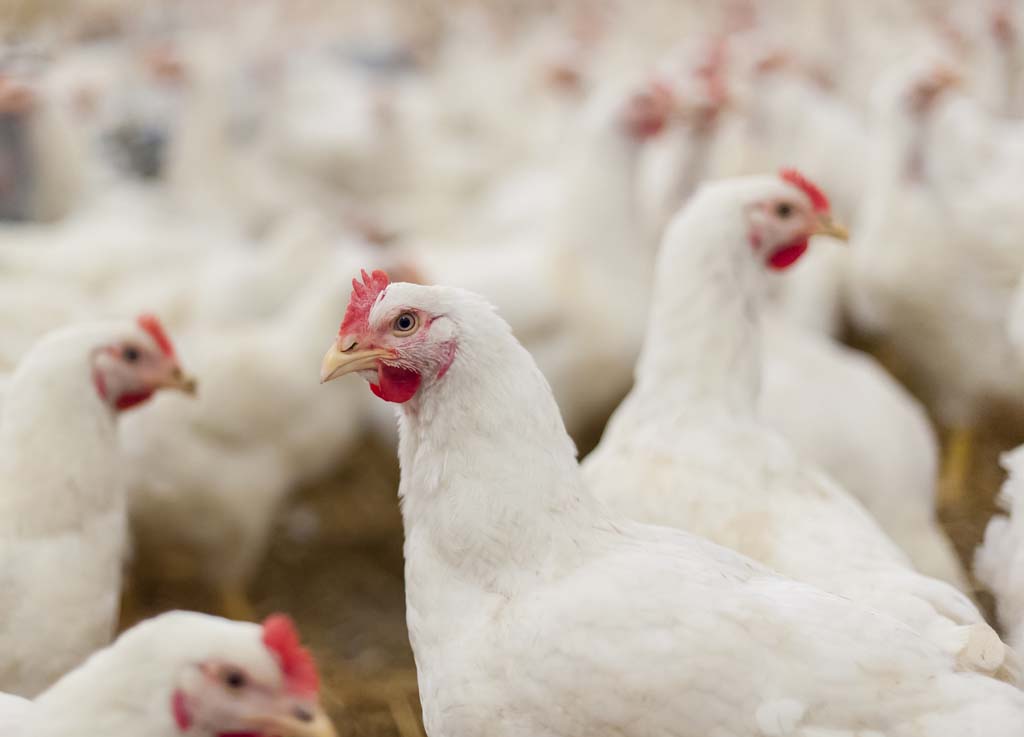
This course is designed to enable you to analyse and make decisions about the mangement requirements of poultry. Learn about: terminology, breeds, health care; nutrition, diseases in poultry, housing and shelter, layers, broilers, incubation, brooding, record keeping, economics & marketing. 


"Pleased with all aspects of the course"  K Houlden - Poultry Student

Learning methods available: This course can be studied via Correspondence Correspondence This course can be studied Online Online This course can be studied through E-Learning E-Learning Read more & enrol: Poultry

Recognising Animal Diseases (Under development) Duration icon 100 hours Qualification icon Statement of Attainment

Learn to examine a sick animal, collect symptomatic information, and either recognise a disease, or determine an appropriate course of action to obtain a diagnosis.


CURRENTLY IN DEVELOPMENT 

THIS COURSE WILL BE AVAILABLE 2010

Learning methods available: Read more & enrol: Recognising Animal Diseases (Under development)

Sheep Duration icon 100 hours Qualification icon Statement of Attainment Lessons icon 8 lessons

Sheep husbandry is more than just a woolly idea!

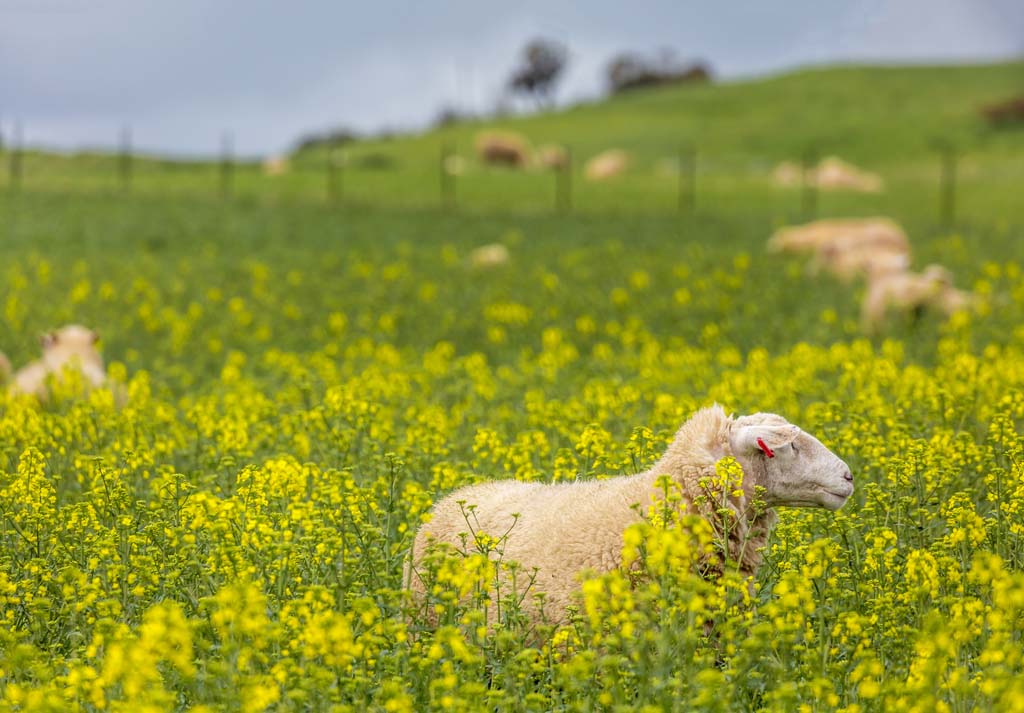
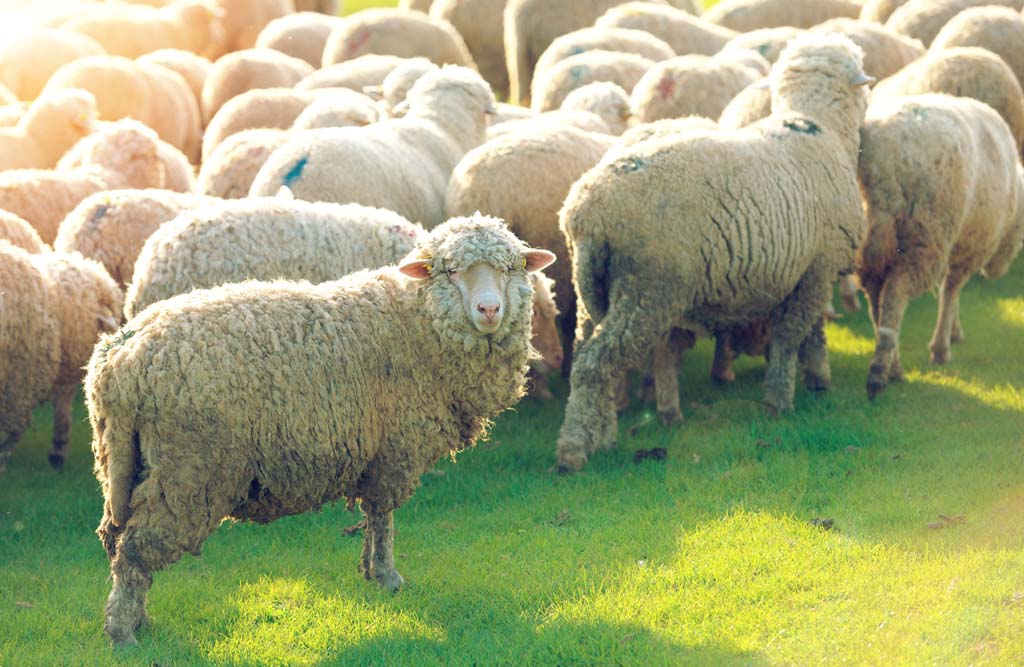
This valuable course aims to develop your ability to analyse and make decisions about sheep management. Dual purpose breeds can provide the farmer with two products - meat and wool. This spreads the farmers source of income should there be an overproduction one of the two products. Sheep can also be farmed for dairy  and sheep cheese can be as popular as cows cheese in some parts of the world.

Learn about: Breeds; Selection and Breeding; Nutrition of Sheep; Diseases of Sheep; General Management of a Commercial Flock; Care of the Lamb; Wool and the Marketing of Sheep and Sheep Products.

Learning methods available: This course can be studied via Correspondence Correspondence This course can be studied Online Online This course can be studied through E-Learning E-Learning Read more & enrol: Sheep

Soil Management (Agriculture) Duration icon 100 hours Qualification icon Statement of Attainment Lessons icon 8 lessons

Soil.The foundation for good pastures and crops begins in the soil

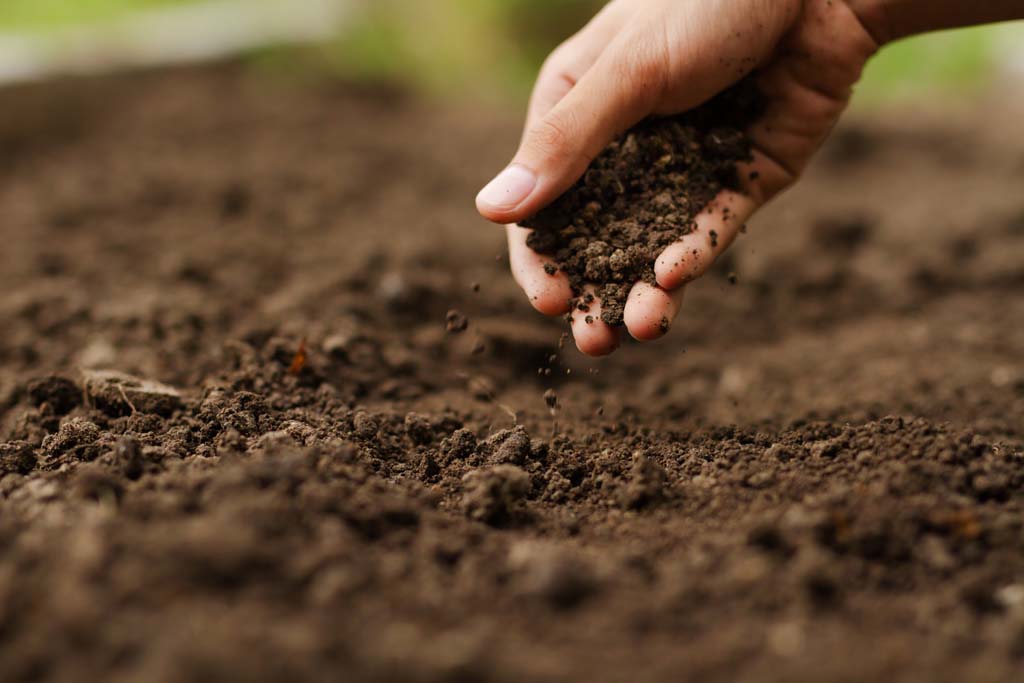
Poor nutrition, chemical imbalance, structural problems such as drainage, and lack of microbial life  are some examples of problems that can beset your soil. Often minor and relatively inexpensive treatments can make a huge difference to productivity, but the problems need to be identified first, and that requires a solid understanding of soil theory and management practice.

“Whether you are living or working on a grazing property or work in the area of land restoration, the study of soil management goes hand-in-hand with the study of pasture management. This is a good course that covers the topic effectively” M. Cullen - Dip. Landcare & Natural Resources, Assoc. Dip. SMI, B. Teaching

Learning methods available: This course can be studied via Correspondence Correspondence This course can be studied Online Online This course can be studied through E-Learning E-Learning Read more & enrol: Soil Management (Agriculture)

Sustainable Agriculture Duration icon 100 hours Qualification icon Statement of Attainment Lessons icon 8 lessons

Reverse the damage - Join the GREEN revolution!

Sustainable agricultural practices are needed to reverse the damage done by inapproprite chemical-dependent farming systems. These systems were foisted on us by profiteering, multi-national chemical companies. Sustainable approaches range from land care and conservation farming, to permaculture and biodynamics. In many cases, the elements of several approaches can be combined to create a solution appropriate to a particular site. Lessons focus on soils, water, land care, weed control, tree management, pest and diseases, fire, financial sustainability, broad management strategies and enterprise selection and management (plants and animals).

“Broad-acre farming and mono-cultures have led to an over reliance on the use of chemicals. These chemicals have destroyed the natural balances that exist between plants, animals and other organisms. More people need to study this subject and apply the principles of sustainability. This should be done as a matter of urgency”
M. Cullen - Dip. Landcare & Natural Resources, A.D. Stock & Meat Inspection, B. Teaching

Learning methods available: This course can be studied via Correspondence Correspondence This course can be studied Online Online This course can be studied through E-Learning E-Learning Read more & enrol: Sustainable Agriculture

Weed Control Duration icon 100 hours Lessons icon 7 lessons

Identify and effectively control weeds.

Learn about both chemical and non-chemical control methods (e.g. mulching, burning, slashing), the use of spray equipment, and safety procedures which should be followed. The course provides valuable learning for land managers, farmers, gardeners, orchardists, market gardeners, landscapers, spray contractors, nurserymen or anone else concerned with the control of weeds. Reduce environmental impacts through the correct management of weeds.

Learning methods available: This course can be studied via Correspondence Correspondence This course can be studied Online Online This course can be studied through E-Learning E-Learning Read more & enrol: Weed Control
 

Refine results:

Only show courses which can be studied through:


Subscribe to the ACS Newsletter

Subscribe for Special Offers, New Services, Courses, Books, Opportunities, Free Stuff and more!


Student Login
RECOGNITION