
Animal Behaviour - the basis of understanding animal needs
Humans have long had a fascination and vested interest in animals. The long history of animal domestication has seen us use them as tools, as food sources and as our companions. Domestication has done very little to change animal behaviour, with domestic animals continuing to display the same natural behaviour and motivational channels as their ancestors.
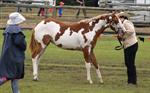
Studying the natural behaviour of animals, therefore, is vital for us to gain an understanding of the needs of animals. Although domesticated animals may not display the complete set of behaviours shown in a natural environment, their behaviour in a domestic setting will always equate to a need.
The behaviour of an animal is a fundamental indicator of their health and well-being so it is very important to have a sound understanding of animal behaviour when working with animals.
Learn to evaluate the behavioural characteristics of animals
People who study animal behavior are concerned with understanding the causes, functions, dev elopment, and evolution of behaviour.
Many jobs that involve working with animals also involve some knowledge of animal behaviour. These include employment as:
- veterinary assistants
- animal caretakers at zoos, universities, and research institutions
- animal psychologists
- companion animal trainers
- pet store workers
- animal control officers
An understanding of animal behaviour is important in any situation where a person works with animals.
Why choose our course?
This course covers all aspects of animal behaviour including motivation, genetics, animal perception, environmental influences, social behaviour and learning and includes sections on animal handling and common abnormal behaviours.
Graduate Comment:
"I found the course to be well written and explained, any queries I had were answered quickly, and the staff to be very friendly and helpful. In all the course has been invaluable. I am a little sad it is near the end as I have enjoyed the whole course"
S. Crosbie Ross
Aims
- Identify factors affecting animal behaviour
- Describe the influence of genes on animal behaviour
- Explain how animals perceive and how they respond to various stimuli
- Explain the influence of environment factors, such as circadian rhythms, on biological clocks, reproductive cycles, orientation and other animal behaviour
- Explain the social influences on animal aggression, play, sexual behaviour, communication and other behaviour
- Describe different ways that animals learn (such as conditioning and habituation) and some effects of learning on behaviour
- Discuss psychological implications of different handling techniques
- Identify abnormal animal behaviour (eg. psychotic, neurotic behaviour) and ways to reduce dependence on humans
Lesson Structure
There are 8 lessons in this course:
-
Introduction: Influences and Motivation
- What is behaviour
- Causes of behaviour (eg. genetics, learning, external and internal influences)
- Reactive, active and cognitive behaviour
- Conditioning
-
Genetics and Behaviour
- Understanding biology
- Natural selection
- Genetic variation
- Development of behaviour
- Behavioural genetics
-
Animal Perception and Behaviour
- How animals perceive things
- What stimulates them and how do those stimuli function
- Instinct
- Neural control
- Sensory processes, sight, sound, hearing etc
-
Behaviour and the Environment
- Coordination
- Orientation
- Homeostasis
- Acclimatisation
- Circadian rhythms
- Biological clocks
- Reproductive cycles etc
-
Social Behaviour
- Animal societies
- Aggression
- Social constraints
- Social order
- Play
- Biological clocks
- Communication
-
Learning
- Instinct and learning
- Conditioning and learning
- Extinction and habituation
- Instrumental learning
- Reinforcement
- Operant behaviour
- Biological and cognitive aspects of learning
-
Handling Animals
- Psychological affects of different handling techniques
- Training animals (horses, cats, dogs, etc)
- The student has a choice of which types of animals to focus on, though a variety will still be covered
-
Behavioural Problems
- Abnormal behaviour (eg. psychotic, neurotic)
- Domestication of animals
- Reducing human contact
- Reducing human dependence
Accreditations
Animals Can be Taught How to Behave
Classical Conditioning
Ivan Pavlov was a pioneer in Classical Conditioning. His theory was based on his findings while experimenting with dogs. Pavlov observed the relationship between an unconditioned stimulus (eg. a dish of food) and an unconditioned response (eg. salivating at the mouth). He recognised that this was a natural, unlearned response. He proceeded to experiment with the possibilities of associating another stimulus (light) with the unconditioned stimulus (food), so that the dog would be conditioned to respond to the light by salivating.
Pavlov set up the dog in a soundproof laboratory, with a special device to measure the salivating response (attached to the salivary gland). A light was then turned on following delivery of meat powder by remote control. A high degree of salivation was measured. The procedure was repeated so that the dog was conditioned to associate the light with food. The repetition of this procedure is called reinforcement. It reinforces the association between light and food. When the experimenter turned on the light, without presenting food, the dog still salivated copiously. This form of learning is called "classical conditioning".
The light is the conditioned stimulus (CS) and the salivation now a conditioned response (CR). If the conditioned behaviour is not reinforced (i.e. if the conditioned stimulus is presented repeatedly without the unconditioned stimulus) then the conditioned response slowly disappears. This is called extinction. Extinction is the elimination of a learned behaviour.
Learned behaviour can be unlearned on condition that the reinforcement that maintains the behaviour is totally removed. (If reinforcement is occasionally removed, the behaviour it reinforces may strengthen in intensity).
Classical conditioning may differ in form according to the time lapse between the presentation of the unconditioned stimulus (eg. food) and the controlled stimulus (eg. light):
· With simultaneous conditioning, the light and the food are produced simultaneously
· With delayed conditioning, the light is turned on for a period before the food is presented
· With trace conditioning, the light is turned on for a while then turned off before the presentation of food
Different schools of psychology interpret Pavlov's research discoveries in different ways. It was the traditional behaviourists that took Pavlov’s results into their fold, so to speak. They used his research to validate their mechanistic view of human behaviour, perceiving the learning process involved as an automatic process. They adopted Pavlov’s assumption that the learning is based on the temporal closeness of the two stimuli. The conditioned association between the unconditioned stimuli and conditioned stimuli would not, in their view, have occurred unless the two stimuli were presented at more or less the same time.
On the other hand, cognitive psychologists interpret Pavlov’s results in a different fashion. They give more thought to what happens inside the organisms mind. No response would occur in their view, unless the organism was capable of actively processing received information.
According to these theorists, the organism observes that conditioned stimuli and the unconditioned stimuli occur together, and stores this information in memory. When the conditioned stimulus is presented, the organism remembers it's previous simultaneous occurrence with the unconditioned stimulus, and thus responds in expectation of the uncontrolled stimulus. The difference between these two interpretations might seem small, but their psychological implications are profoundly different.
Understanding the Dog’s Mind
Evolution and Domestication
As we have already mentioned, it is widely accepted that the domestic dog descended in the most part from the wolf. As the relationship developed, dogs would have been valued as scavengers, partners in hunting, a source of warmth at night and as guards. One of the key features that link the wolf and the domestic dog is that they are both highly social animals that like to live within a pack, be it a pack of other wolves or dogs or a human pack. This feature has a great influence on their psychology and behaviour.
It has been suggested that fear, aggressiveness, submission and dominance have determined the behaviour of social dogs. These behaviours have proven to be the best strategies for dogs to use at particular times. In addition to this, through their association with humans, dogs have developed social awareness in that they are aware of other dogs or people around them.
Behavioural Development
Newborn puppies are completely dependent on their mother but as they develop physically they become more independent and aware of their surroundings.
The stages of development can be divided into distinct phases:
The Neonatal Period
- spans the first two weeks of life
- are completely dependent on their mother
- sensitive to touch, taste and smell but movement is limited
- eyes and ears are still closed
- main activities are sleeping and feeding
The Transitional Period
- occcurs during third week
- period of rapid development from total dependence on dam to a degree of independence
- eyes and ears open and respond to stimuli
- start crawling backwards and forwards
- able to stand and lap milk from a saucer
- will defecate and urinate away from its bedding and its mother
- start play fighting with litter mates
- start to display social signs such as tail-wagging and growling
The Socialisation Period
- occurs from end of third week up to week 10
- critical period for formation of social relationships
- begin to learn about their environment
- will interact with each other and with humans
- may initiate play with raised paw or tail wagging
- will learn to control biting through play experience
- dominant and subordinate puppies will become apparent
- may show prey killing and sexual behaviour e.g. mounting other puppies
The Juvenile Period
- extends from 10 weeks to sexual maturity
- gradual improvement in motor skills
- learn relevance of behaviours and which are appropriate to specific situations
- basic learning capacities are fully developed at the beginning of this period - by about 4 months old previous learned tasks may interfere with new learning
- may still not be trained to do difficult tasks due to their short attention span
Common Behaviour and Body Language
Humans use words to communicate with one another. We sometimes believe that dogs understand what we are saying, however, dogs and other animals rely heavily on body language to communicate. They use their ears, tails, mouth, stance and eye contact to communicate with humans.
Body Language
Body language misinterpretation can lead to dog bites in some cases. If a child is looking intently at a dog, smiles and leans towards to pat the dog, the dog may interpret this as a challenging stare, bare its teeth and take a threatening physical stance.
A combination of signals will generally provide you with an idea of how a dog is feeling. Some of these may be very obvious such as hackles up, whereas others can be more subtle or easily misinterpreted.Where can this course lead?
This course in Animal Behaviour may provide you with the necessary background for one of the opportunities listed below. Alternatively, it may lead you on to further study to pursue a career that requires additional study and specialisation
The following are just some of the areas where opportunities in Animal Behaviour may be found:
Potential Occupations:
- Animal Behaviourist
- Animal Trainer
- Animal Welfare Officer
- Veterinary Assistant
- Animal Caretaker
- Pet Store Worker
- Biodiversity Officer
- Biodiversity Restoration Assistant
- Biosciences Researcher
- Biosecurity Officer
- Community Engagement Facilitator
- Conservation and Science Support Officer
- Fauna Spotter/Catcher/Wildlife Consultant
- Field Guide/Ranger
- Field Officer
- Flora & Fauna Officer
- Forestry/National Parks Ranger
- Administrative Assistant
- Field Assistant
- Information Officer
- Laboratory Technician
- Quarantine Officer
- Ranger
- Research Assistant - Avian/Wildlife Ecology
- Research Scientist
- Safari Supervisor
- Threatened Fauna Recovery Officer
- Tour Guide
- Wildlife Educator
- Advertising
Potential Employers:
- Animal Welfare Organisations
- Conservation Councils
- Research Institutions
- Government Department of Environment, Water and Natural Resources, Agriculture, Primary Industries and Regions, Environment
- Ecotourism Companies
- National Parks and Wildlife Service
- Nature Foundations
- Fauna Consultancies
- Museum
- Not for Profit Organisations
- Zoos and Wildlife Sanctuaries
- Universities
- Pet Stores
Enrol using the automated procedure on this site or contact us via phone or email to ask questions and enrol with a real person.
You can enrol at anytime and start the course when you are ready. Enrolments are accepted all year - students can commence study at any time. All study is self paced and ACS does not set assignment deadlines.
Please note that if a student is being assisted by someone else (e.g. an employer or government subsidy), the body offering the assistance may set deadlines. Students in such situations are advised to check with their sponsor prior to enrolling. The nominal duration of a course is approximately how long a course takes to complete. A course with a nominal duration of 100 hours is expected to take roughly 100 hours of study time to complete. However, this will vary from student to student. Short courses (eg. 100 hrs duration) should be completed within 12 months of enrolment. Certificates, Advanced Certificates and Awards (eg. over 500 hours duration) would normally be completed within 3 -5 years of enrolment. Additional fees may apply if a student requires an extended period to complete.
If a student cannot submit their assignments for 6 months to ACS, they should advise the school to avoid cancellation of their student
registration. Recommencement fees may apply.
Simply click on the ENROL OPTIONS button at the top of this screen and follow the prompts.
You can see the course price at the top of this page. Click 'enrolment options' to see any payment options available.
You can pay by Credit Card, PayPal, Afterpay or bank transfer.
Yes! We have payment plans for most courses. Click 'enrolment options' to see the available payment plans.
We also have Afterpay that will allow you to pay for your course or payment plans in four instalments (if you are in Australia).
There are no entry requirements that you need to meet to enrol in our courses, our courses are for everyone.
If you are under 18, we need written permission from your parent/ guardian for your enrolment to continue, we can arrange that after you have enrolled.
You don’t need to purchase any additional resources to complete our courses.
What do I need to know before I enrol?
We aim to teach you the essentials without you having to purchase any specific computer program.
We recommend that you have access to a word processing program, such as Microsoft Word or Google Docs, so that you can easily complete and submit your assignments.
You sure can. We are here to help you learn whatever your abilities.
Yes, if you are enrolling in a Certificate or Advanced Certificate, you might be eligible for credits if you have evidence of your previous studies or relevant experience. More information is here.
We recommend that you are able to browse websites, send emails and conduct online research. You will need to be able to type and submit your assignments.
If you have limited computer skills, we can make special arrangements for you.
This is possible, it depends on the institution. We recommend that if you would like to use our courses that you contact the institution first. Our Course Handbook is a good resource for this.
Our courses are written in English and we only have English speaking academic staff. If you can read and complete your assignments in English, our courses are ideal for you.
Our courses are designed to build knowledge, hands on skills and industry connections to help prepare you to work in the area, running your own business, professional development or as a base for further study.
This course has been designed to cover the fundamentals of the topic. It will take around 100 hours to complete, which includes your course reading, assignment work, research, practical tasks, watching videos and anything else that is contained in the course. Our short courses are a great way to do some professional development or to learn a new skill.
It’s up to you. The study hours listed in the course are a rough guide, however if you were to study a short course (100 hours) at 10 hours per week, you could finish the course in 10 weeks (just an example). Our courses are self-paced, so you can work through the courses in your own time. We recommend that you wait for your tutor to mark and return your assignment before your start your next one, so you get the benefits of their feedback.
The course consists of course notes, videos, set tasks for your practical work, online quizzes, an assignment for each lesson (that you receive feedback from your tutor from) and ends in an exam (which is optional, if would like to receive the formal award at the end), using our custom built Learning Management System - Login.Training.
Our courses are designed for adults to gain professional development and skills to further their careers and start businesses.
Our custom online learning portal allows you to conduct your learning online. There may be practical tasks that you can do offline. You have the option of downloading your course notes or print them to read later.
There is also the option to pay an additional fee for printed course notes and or USB (availability limited to location and deliverability).
Yes, if you don’t have access to the internet, you can receive the course as paper notes or on a USB stick for an additional fee. We can also make alternative arrangements for you to send your assignments to us.
We offer printed notes for an additional fee. Also, you can request your course notes on a USB stick for an additional fee.
Yes, your tutor is here to help you. Simply post any questions you have in your login.training portal or contact the office and we can pass on a message to your tutor.
We are more learning focussed, rather than assessment focussed. You have online quizzes to test your learning, written assignments and can complete an exam at the end of the course (if you want to receive your certificate). You will not receive a pass/ fail on your course work. If you need to add more details on your assignment, we will ask you to resubmit and direct you where you need to focus. If you need help, you can ask your tutor for advice in the student room.
Each module (short course) is completed with one exam.
Exams are optional, however you must sit an exam if you would like to receive a formal award. You will need to find someone who can supervise that you are sitting the exams under exams conditions. There is an additional cost of $60 incl. GST for each exam.
More information is here
There are practical components built into the course that have been designed to be achieved by anyone, anywhere. If you are unable to complete a task for any reason, you can ask your tutor for an alternative.
When you complete the course work and the exam and you will be able receive your course certificate- a Statement of Attainment. Otherwise, you can receive a Letter of Completion.
You can bundle the short courses to create your own customised learning bundle, Certificates or Advanced Certificates. More information is on this page.
Yes, our courses are built to be applicable for people living anywhere in any situation. We provide the fundamentals, and each student can apply their own unique flair for their own interests, region and circumstances with the one-on-one guidance of a tutor. There is also a bit of student directed research involved.
Employers value candidates with industry skills, knowledge, practical skills and formal learning. Our courses arm you with all of these things to help prepare you for a job or start your own business. The longer you study the more you will learn.
ACS has an arrangement with OAMPS (formerly AMP) who can arrange Professional Indemnity from Australian and New Zealand graduates across all disciplines. Ph: 1800 222 012 or email acs@oamps.com.au.
Who are ACS Distance Education?
ACS Distance Education have been educating people for over 40 years.
We are established and safe- we have been in education for over 40 years.
We are focused on developing innovative courses that are relevant to you now and what you will need to know in the future.
We are focused on helping you learn and make the most of your experience.
You can enrol at any time, you can work on your course when it suits you and at your own pace.
We are connected to many industry bodies and our staff participate in continuous improvement and learning activities to ensure that we are ahead of what learning is needed for the future.
Our courses are not accredited by the Australian Government. However many of our courses are recognised and held in high regard by many industry bodies.
Our courses are written by our staff, who all have many years experience and have qualifications in their speciality area. We have lots of academic staff who write and update our courses regularly.
How do I enrol my staff/ sponsored students?
Yes, you can do a request for a bulk enrolment and request an invoice on our Invoice Request Form
We can prepare an invoice, quote or proforma invoice. Simply complete your details on our Invoice Request form
We can arrange bulk discounts for your course enrolment, please get in touch with us to discuss your needs.
Yes, we have many students who are in locked facilities, such as prisons or hospitals. We can cater by also offering paper notes at an additional cost.
What if I have any more questions or need more information?
We can assist you to find the right course for your needs. Get in touch with us via email (admin@acs.edu.au) call on +61 7 5562 1088 or complete our course advice form.
What if I change my mind?
Please get in touch with studentservices@acs.edu.au if you would like to be removed from our mail list.
If you would like ACS Distance Education to delete your information at any time (whether you are a customer or a prospective customer), please contact our privacy officer and we will process this ( admin@acs.edu.au ).
If students require a reproduction of their certificate, an electronic copy can be provided at a cost of AUD$35 incl GST. Printed copies are not available.
Course Contributors
The following academics were involved in the development and/or updating of this course.

Jacinda Cole
Former operations manager for highly reputable Landscape firm, The Chelsea Gardener, before starting her own firm. Jacinda has over 20 years of industry experience in Psychology, Landscaping, Publishing, Writing and Education. Jacinda has a B.Sc., Psych.Cert., M. Psych. Cert.Garden Design, MACA.

Lyn Quirk
M.Prof.Ed.; Adv.Dip.Compl.Med (Naturopathy); Adv.Dip.Sports Therapy
Over 30 years as Health Club Manager, Fitness Professional, Teacher, Coach and Business manager in health, fitness and leisure industries. As business owner and former department head for TAFE, she brings a wealth of skills and experience to her role as a tutor for ACS.

Dr. Gareth Pearce
Veterinary scientist and surgeon with expertise in agriculture and environmental science, with over 25 years of experience in teaching and research in agriculture, veterinary medicine, wildlife ecology and conservation in the UK, Australia and New Zealand. Post-graduate qualifications in Education, Wildlife Conservation Medicine, Aquatic Veterinary Studies and Wildlife Biology & Conservation.
Gareth has a B.Sc.(Hons), B.V.Sc., M.A., M.Vet.S,. PhD, Grad. Cert. Ed.(HE), Post-Grad.Cert. Aq.Vet.Sc., Post-Grad. Cert. WLBio&Cons., Dipl. ECPHM, MRCVS.

Animal Health 2nd edition
Understand health issues, disease and injury prevention, inspecting animals, differential diagnosis and common illnesses. Animals can suffer from injury, poisoning, hereditary conditions, nutritional problems and viral, bacterial and fungal infections. A book for managing pets, farm animals, or wildlife.
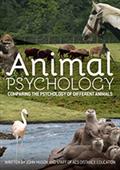
Animal Psychology
Animal Psychology- Comparing the Psychology of Different Animals gives an interesting insight into animal behaviour and and animal psychology.
Ideal for students who are studying animals, animal lovers, pet owners and professionals who work with animals.

Caring for Dogs
Covers Breeds, Creating a healthy home for dogs, legal issues, dog biology, recognising poor health, parasites, illnesses, nutrition, reproduction, dog psychology, behavioural development, training tips, behaviour problems, grooming, working in the dog industry, and more. This is a book for dog owners, students and anyone interested in working with dogs. 79 pages, 71 colour photos.