Plant Varieties Courses

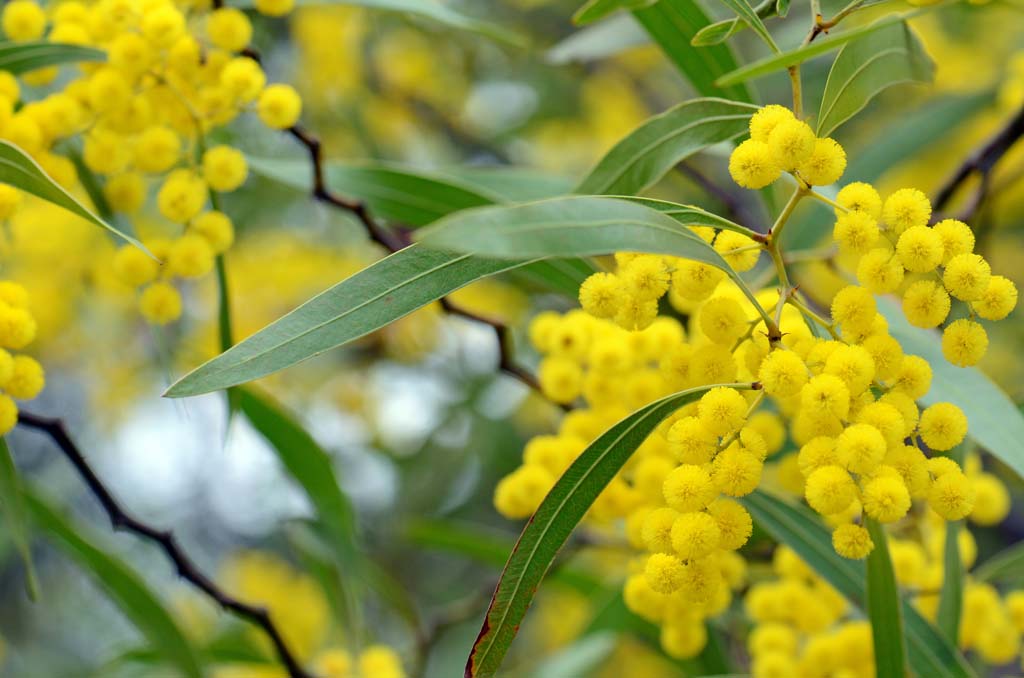
Learn about the identification and botany, and culture (planting, watering, feeding, propagation)
of the wattles. Around 50 species are studied in detail. You also learn about the commercial uses of Acacias as building materials, food plants, for tanning, craft, etc.
[More info & enrolment: Acacias]
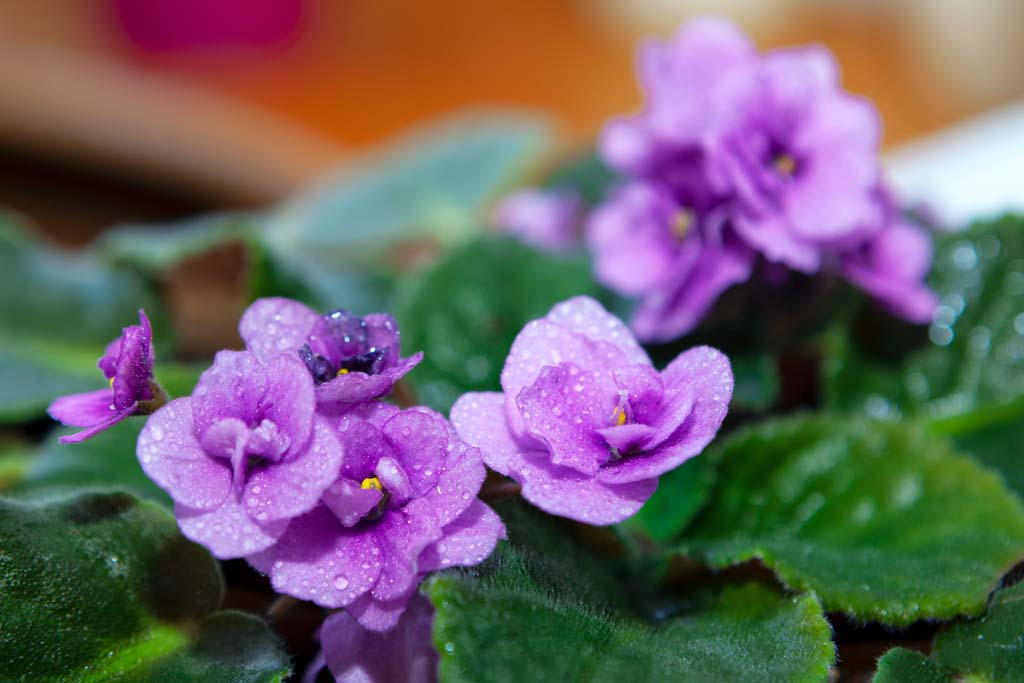
Designed for the African Violet enthusiast, this course covers everything from potting and feeding, to pests and propagation. You learn how African Violets are classified, and cover the exciting range of varieties available. Heres your chance to achieve outstanding results with African Violets.
[More info & enrolment: African Violets]
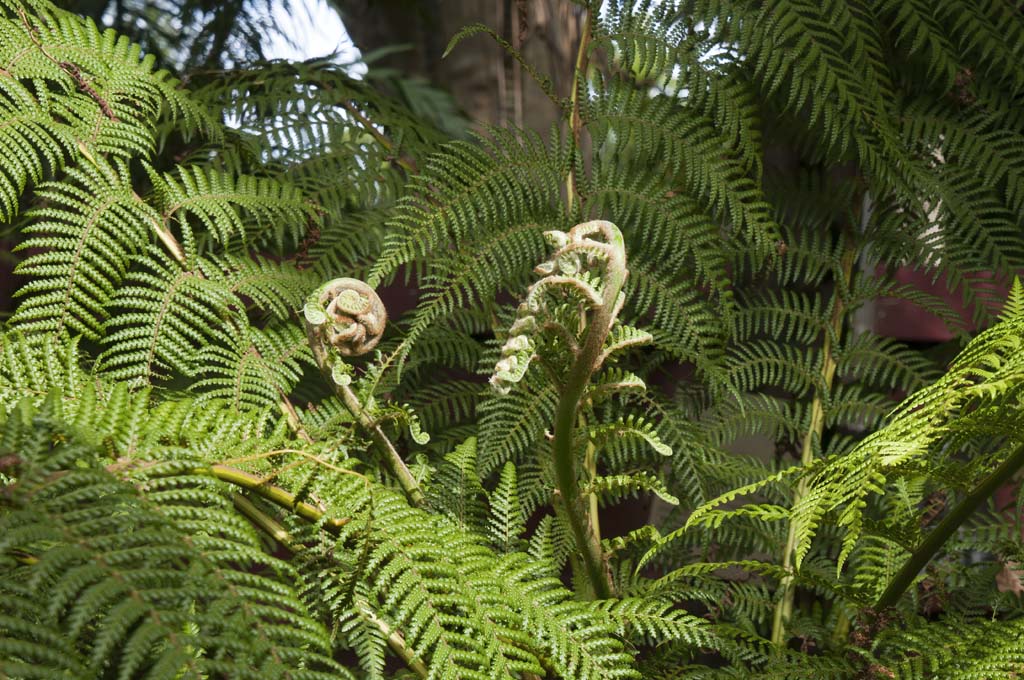
Learn which ferns occur naturally in Australia, how to identify them, where to obtain accurate information on them, how to propagate them, growing and using ferns in baskets, terrariums, and landscapes.
[More info & enrolment: Australian Native Ferns]
This course first teaches you about different types of Australian flora, plant identification, information sources, planting, feeding, soils, pests & diseases, watering, propagation and transplanting. The remaining lessons then deal with selected varieties of trees, windbreak planting, agroforestry, tree maintenance and tree selection.
[More info & enrolment: Australian Native Trees]
Identify and Grow Australian Plants anywhere in the World.
Australia has one of the oldest and most diverse varieties of plants of an country. Australian natives come from tropical areas to cold temperate snow covered mountains, and from inland deserts to fertile wet rainforests. Develop your ability to identify, select, cultivate and plan a management program, for appropriate varieties of Australian native plants, in a wide variety of situations.  This course is relevant to any part of Australia, and equally to most other parts of the world.

[More info & enrolment: Australian Natives I]
This course deals with both woody (hard wooded) and herbaceous (soft wooded), low growing Australian Native Plants, which bear showy flowers.
The focus is on small shrubs and ground covers.

Comment from one of our Australian Natives II students:
"The plant recognition assignments were challenging and a great help for the future" D. Sydenham
[More info & enrolment: Australian Natives II]
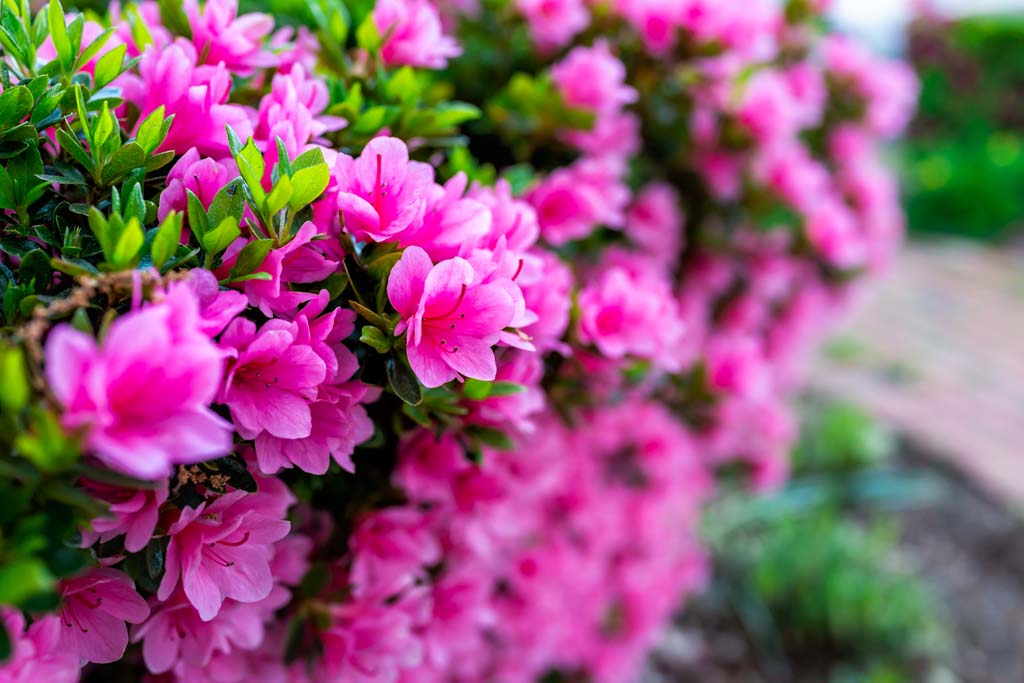
Considered by many to be the very best plants a garden can offer, azaleas and rhododendrons are some of the most popular plants grown anywhere. The course shows how to grow them to perfection, and builds your knowledge of varieties available, to give you a long lasting display of colour in the garden. Soils, weed control, feeding, pest and disease control, watering, landscape design and lots more are included over eight lessons.
[More info & enrolment: Azaleas & Rhododendrons]
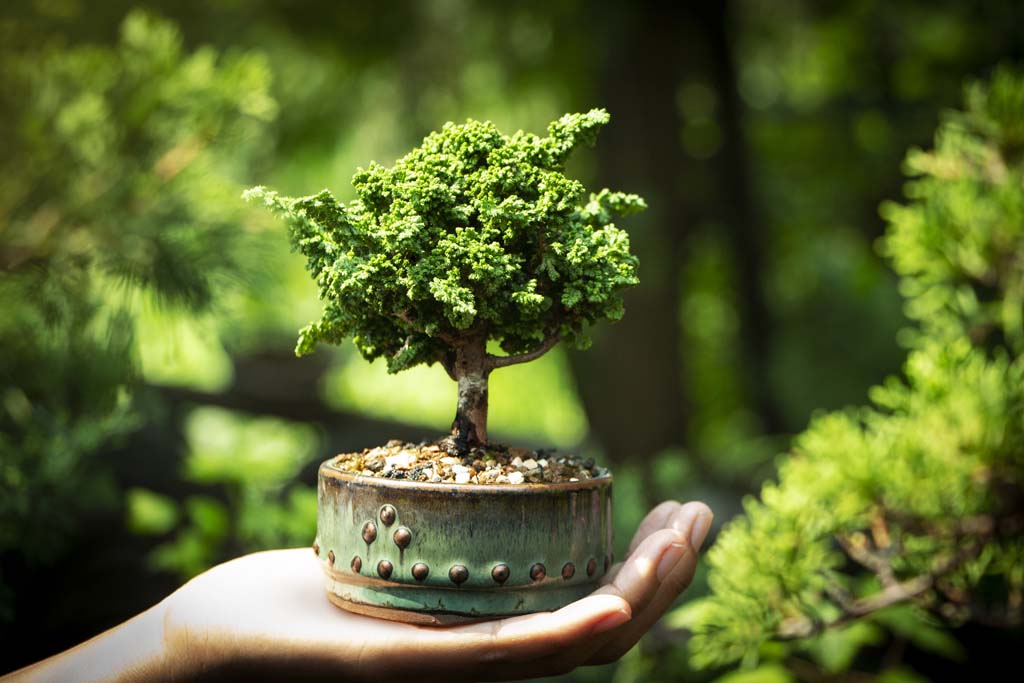
Join the many who have learnt the ancient oriental art of bonsai through this practical and comprehensive course. Eight lessons cover the selection of plants suited to bonsai, understanding the history and classic shapes which form the basis of the art, techniques of planting, training, pruning, watering & feeding and ways of using bonsai both indoors and outdoors. You will create several bonsai of your own during the course and receive constructive criticism from your tutor as they help you develop your own personal bonsai style and techniques.
[More info & enrolment: Bonsai]
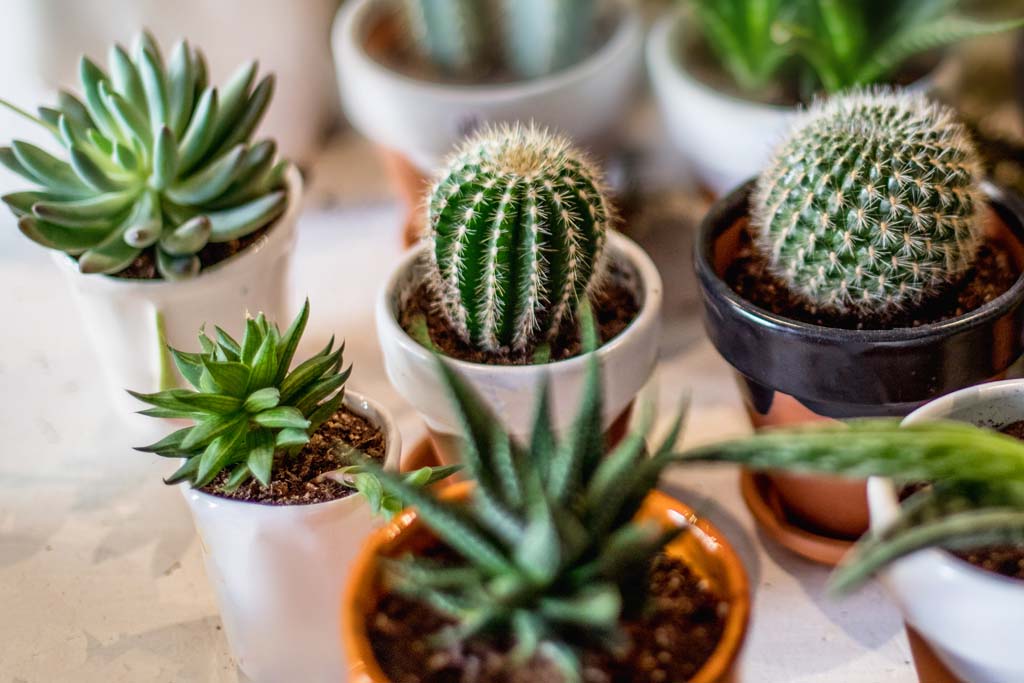
Its been said that people either love cacti or hate them. For lovers of cacti and succulents, this comprehensive 8 lesson course is a must. The course studies major cacti & succulent groups and the differences in how to treat plants from each; in terms of soils, feeding, watering, pruning, pest control, planting procedures and more. It will stimulate your interest, and set you on the path to becoming an expert with these unique plants.
[More info & enrolment: Cacti & Succulents]
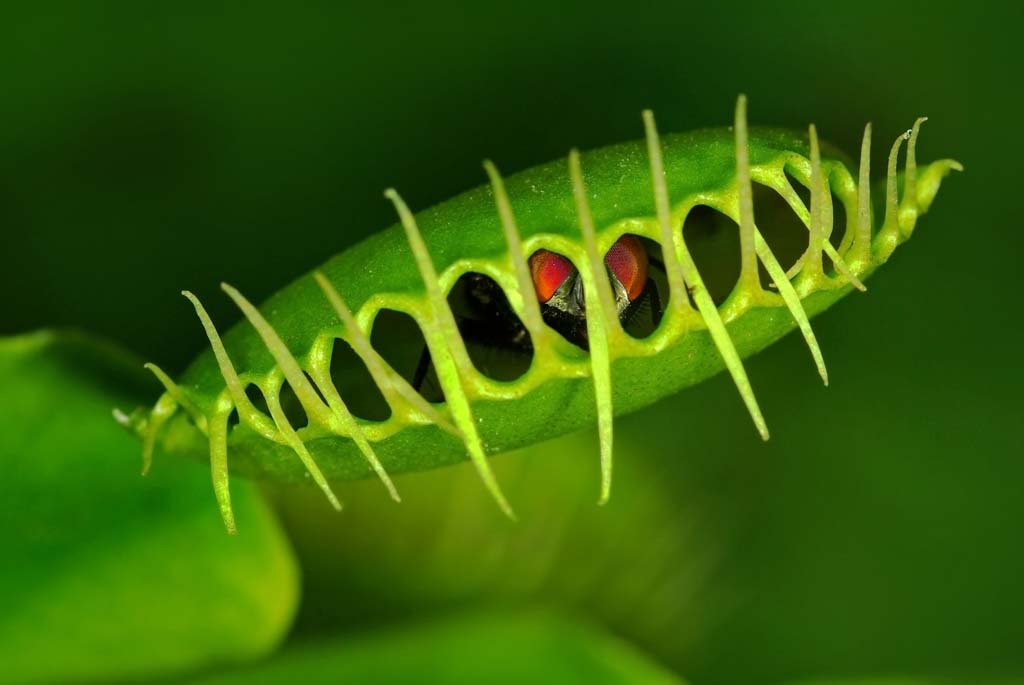
These fascinating plants provide entertainment and stimulation to the enthusiast. Nine lessons cover a range of cultivated carnivorous plants, paying particular attention to the Pitcher Plants (Nepenthes) and Sundews (Drosera).
[More info & enrolment: Carnivorous Plants]
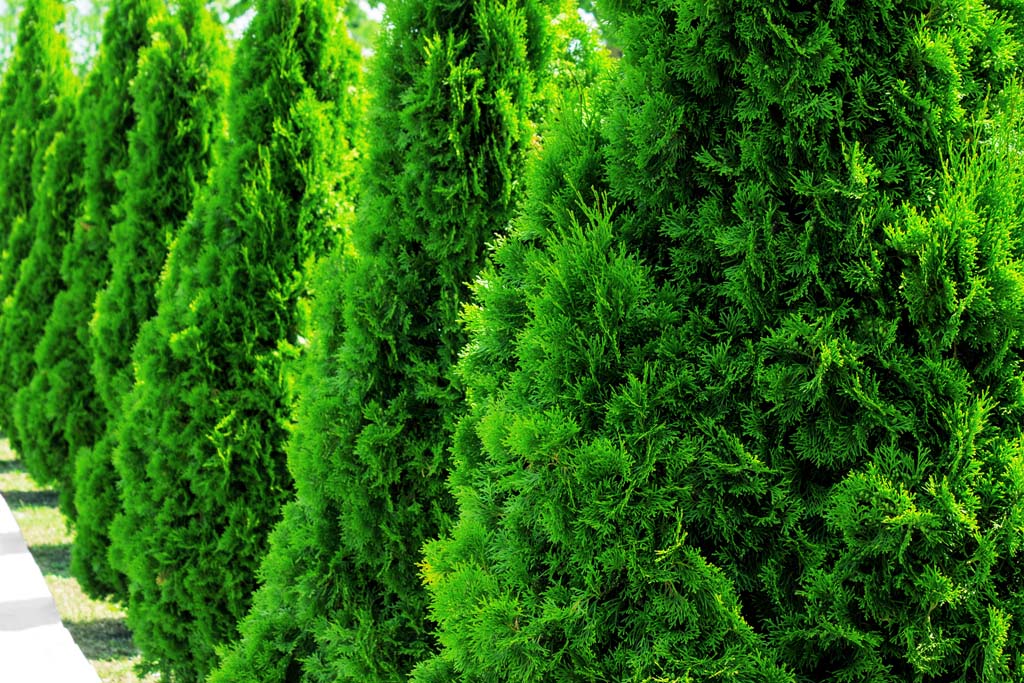
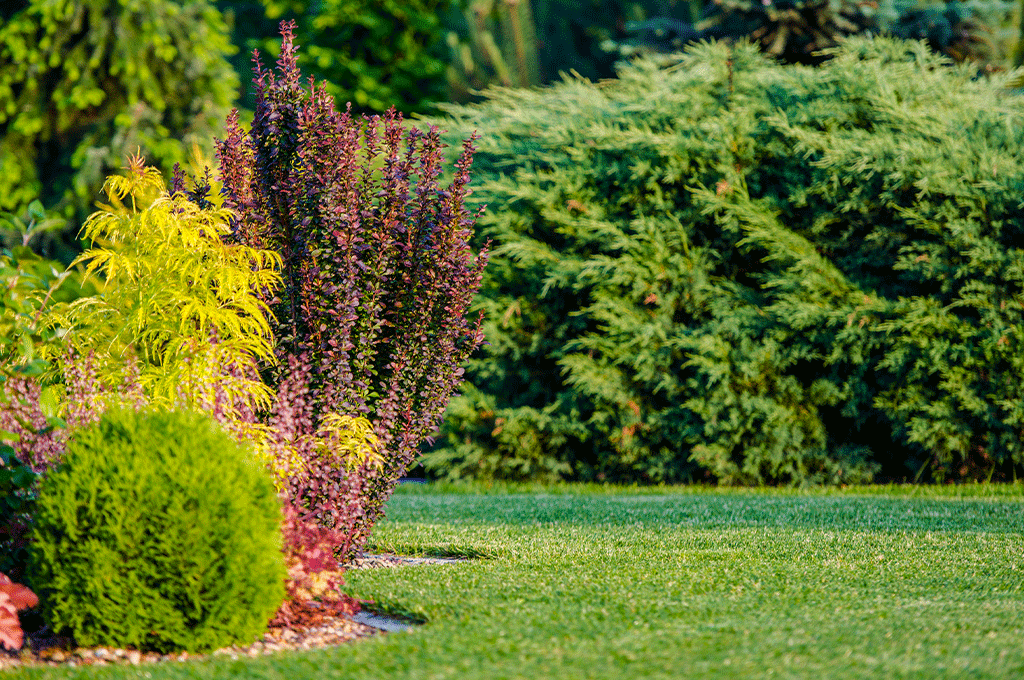
Eight lessons provide you with a systematic understanding of the way conifers are classified, show you how to identify the differences between types and develop your understanding of cultural requirements common to the whole group and differences in cultural techniques needed for specific types of conifers. Sections of this course look in detail at trees (e.g. Pines, Cedrus, Spruce), small shrubs, medium shrubs, native conifers and rarer varieties.
[More info & enrolment: Conifers]
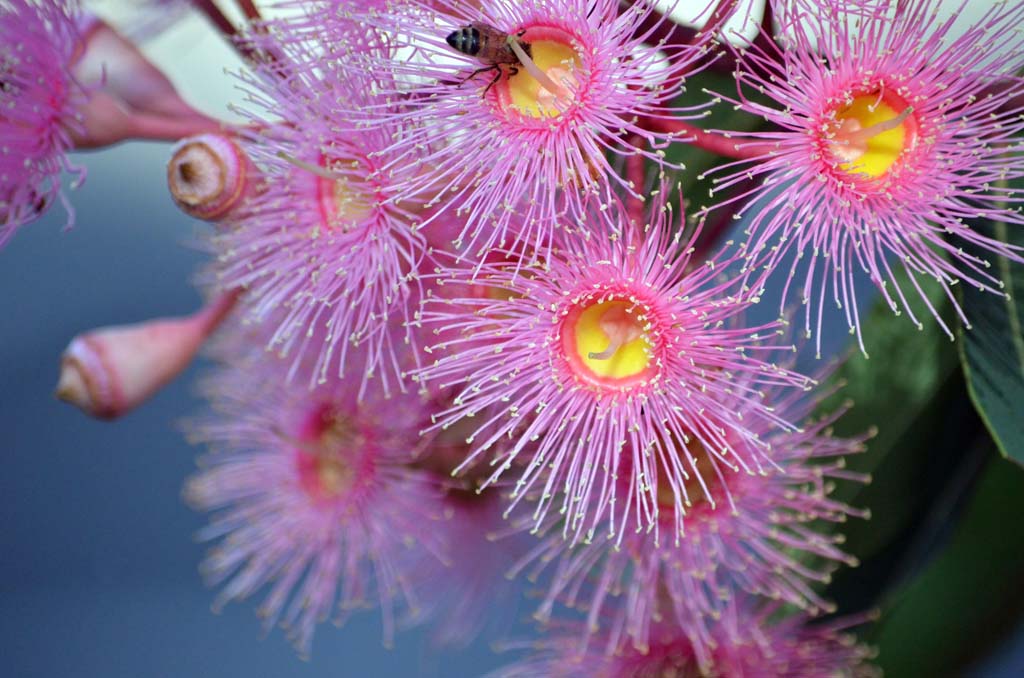
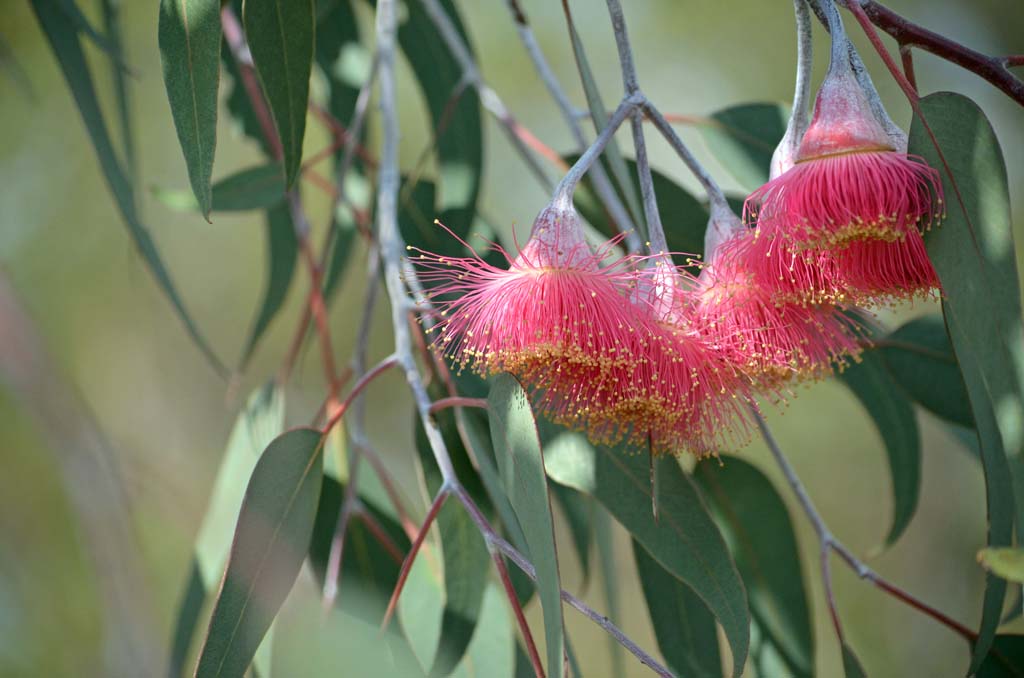
Learn about Eucalyptus: their identification, culture (propagation, soils, landscape uses, feeding), and uses. Throughout the course you build both a knowledge of the group as a whole, and of the range of species you can identify. Eucalypts are today widely grown throughout the world, despite the fact that they are predominantly an Australian native plant (Note: There are only a small number of species which occur naturally outside of Australia). In many countries Eucalypts are used extensively as a forest tree, for land rehabilitation or even as an ornamental plant. There are more than five hundred different species of Eucalypts, varying from relatively low shrubby plants to massive tall trees.
[More info & enrolment: Eucalypts]
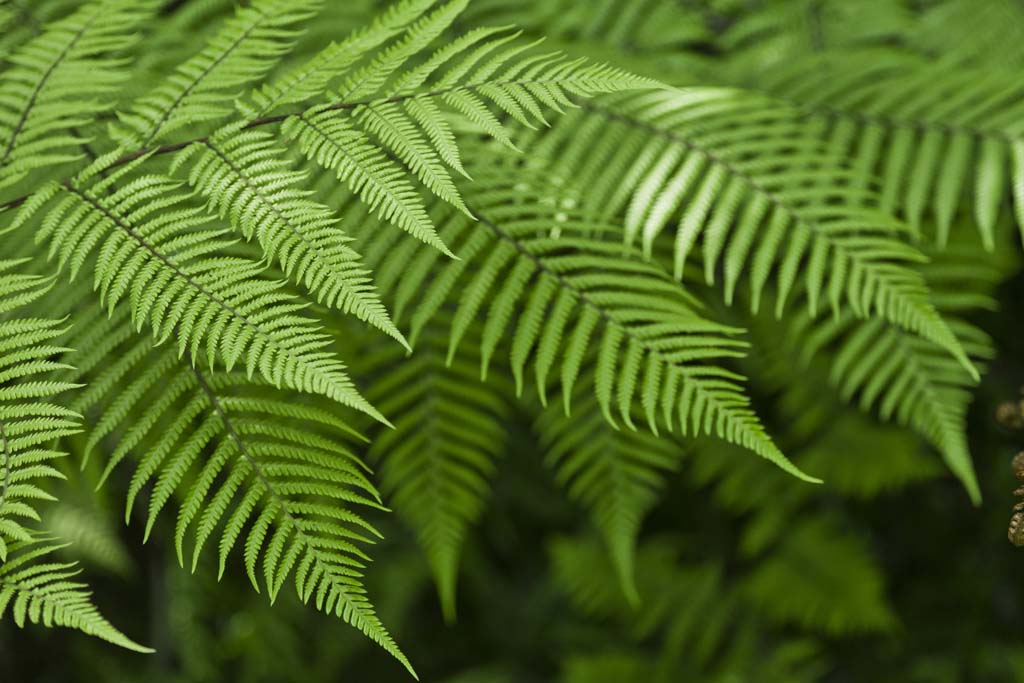
A detailed look at the identification and culture of ferns. You learn to propagate (spores, division, tissue culture), different groupings (e.g. epiphytes, ground ferns, tree ferns) and both common & uncommon species. Growing techniques (baskets, indoor/outdoor containers, terrariums) and cultural methods (soils, watering, pest & disease control) are also examined.
[More info & enrolment: Ferns]
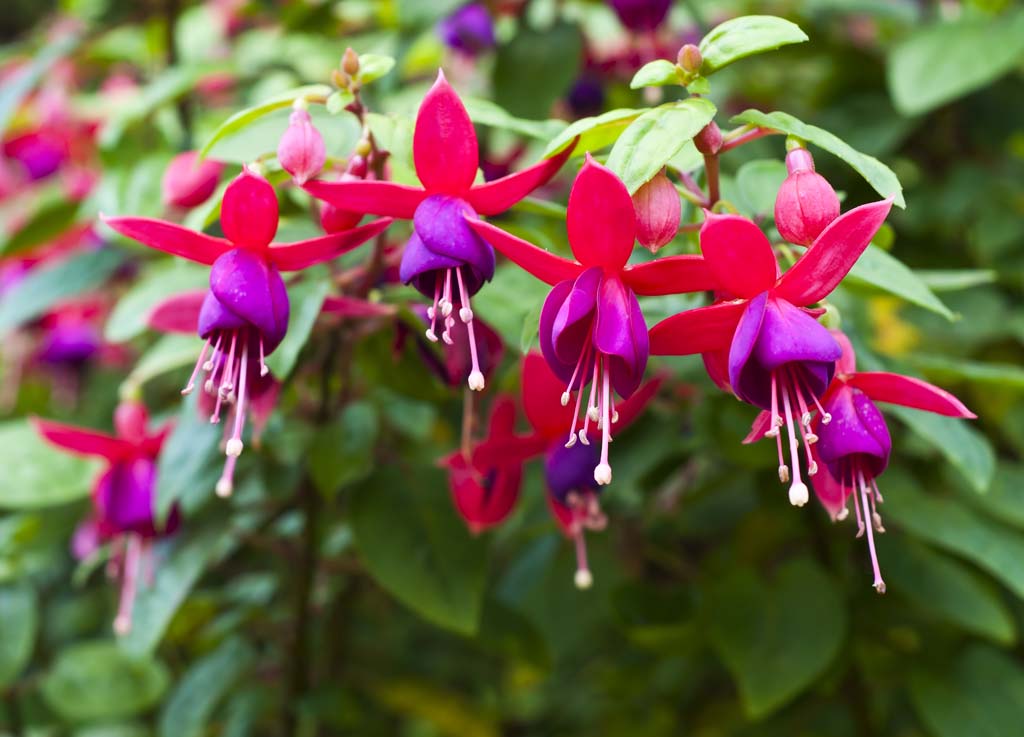
Learn everything you ever wanted to know about fuchsias, from soil management & feeding to pruning and propagation. Learn how fuchsias are classified into several major groups, the characteristics of those groups & how/where to grow different types to achieve the best results.
[More info & enrolment: Fuchsias]
A wonderful course for enthusiasts.
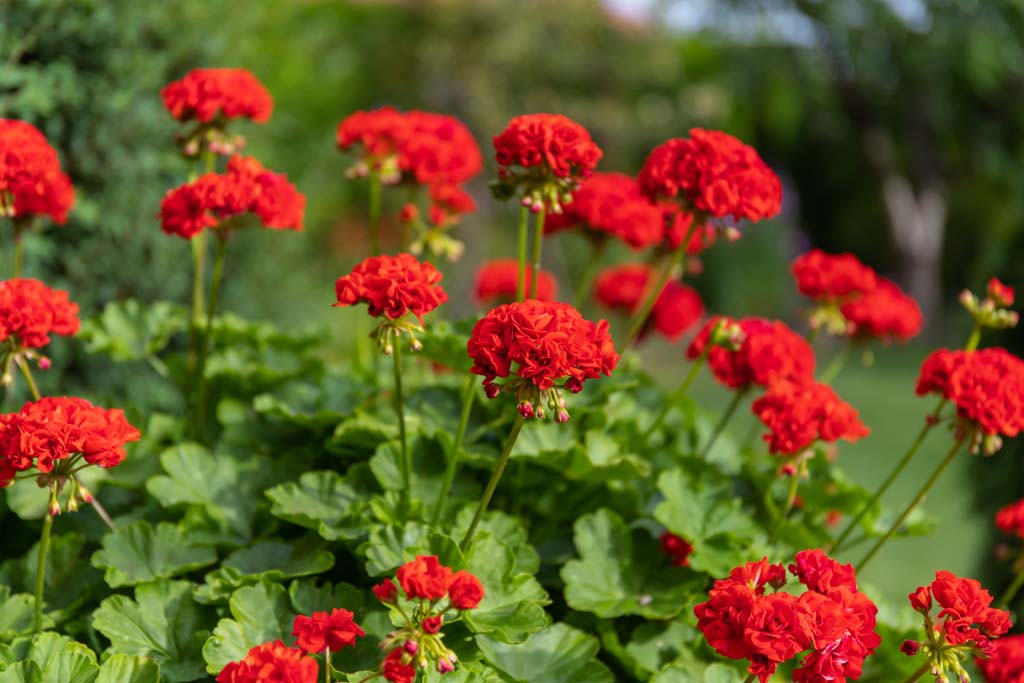
Developed by John Mason, co author of Growing Geraniums & Pelargoniums (published by Hyland House). After an introductory section dealing with classification, physiology and information resources, you move on to develop an understanding of how to grow geraniums & pelargoniums to achieve best results. Throughout the course you make an in depth study of almost 50 different varieties, giving you a firm grasp on the subtle differences between the different cultivars in this group of plants.
[More info & enrolment: Geraniums & Pelargoniums]
Become an expert with annual flowers. Learn to identify and grow them, to produce a continual blaze of colour through the seasons. This eight lesson course reveals the secrets of what to grow, when to grow each variety, building up the soil, controlling pests and diseases, designing the peak of perfection.
[More info & enrolment: Growing Annuals]
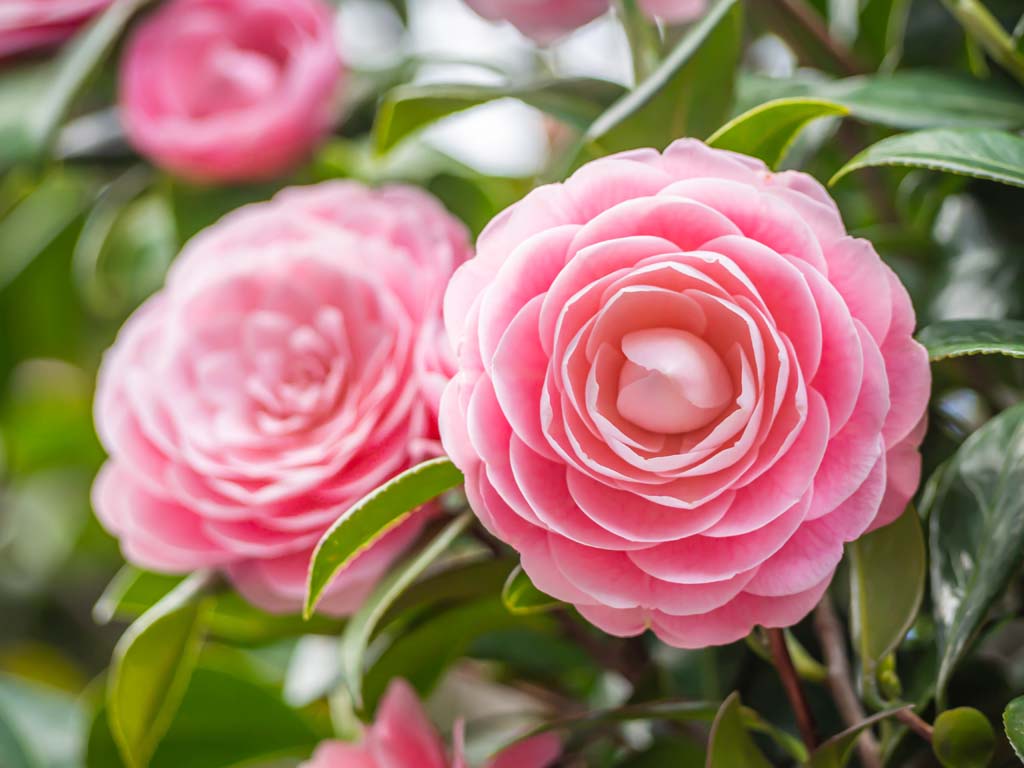
Beautiful camellias require little attention, once established, and yet there is so much to know about them. This course is a wonderful way of learning about the different groups of camellias (eg. japonicas, sasanquas, reticulatas), their special characteristics, and their culture. Develops your understanding of soils, feeding, watering, pruning, planting methods, pest & disease control, propagation, & more. Improve your ability to identify different varieties (both common and uncommon), and how to use camellias to achieve desired landscape effects.
[More info & enrolment: Growing Camellias]
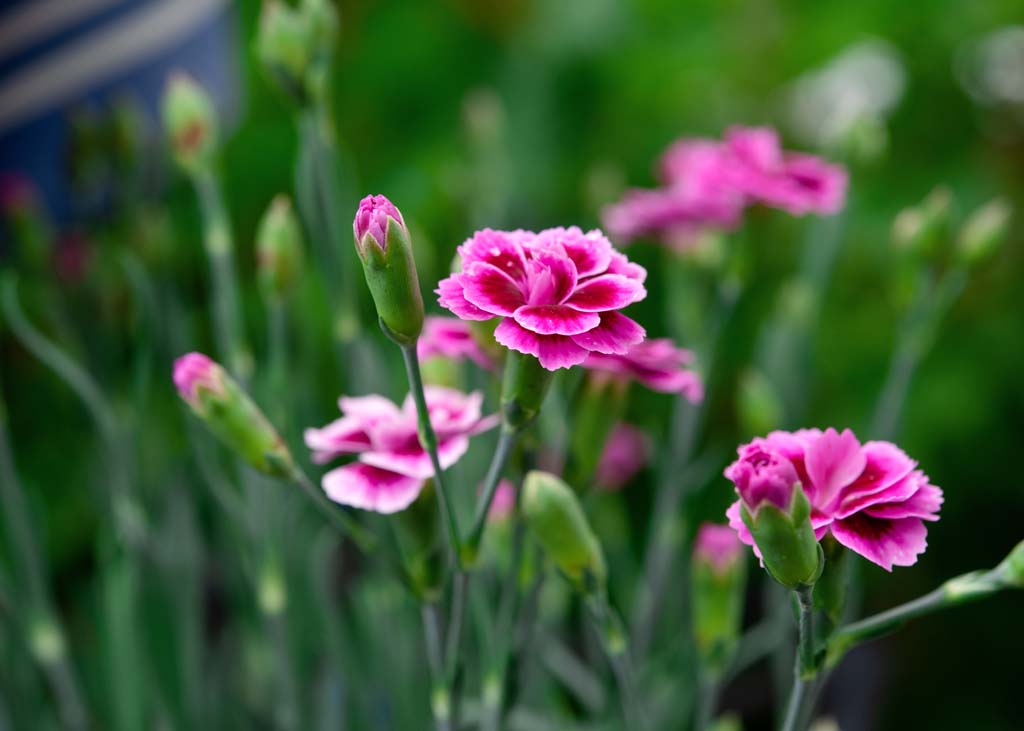
A serious course equally valuable to the home enthusiast or the commercial cut flower grower. You learn about growing quality carnations (planting, watering, pest & disease control, fertilizing), different ways of growing them (e.g. as row crops in soil, in hydroponics, in a greenhouse); and harvesting, post-harvest treatments, and quality control.
[More info & enrolment: Growing Carnations]
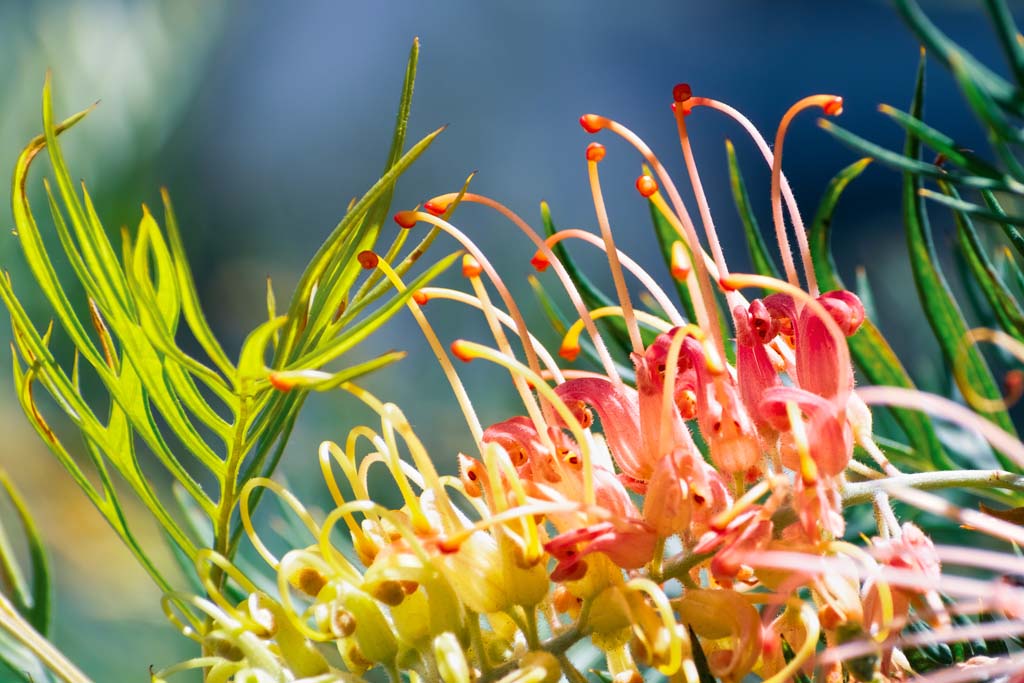
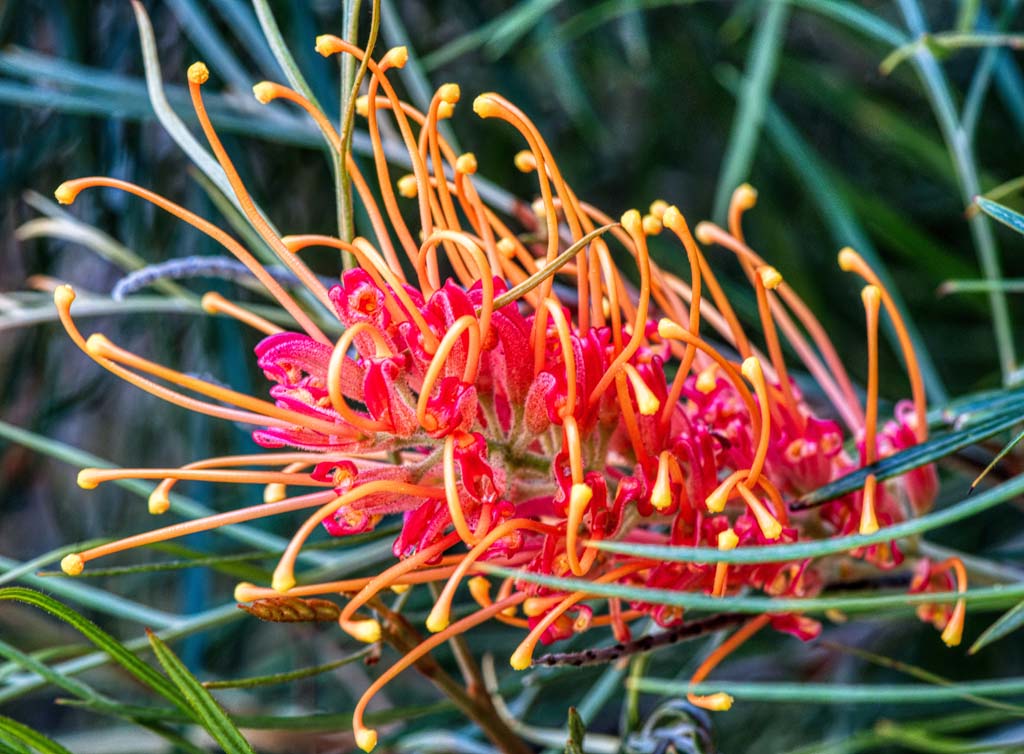
Become an expert on Grevilleas.
This course provides a thorough grounding in identifying, growing and using grevilleas.

There are more than 250 species of Grevillea and hundreds if not thousands of different varieties and hybrids, many probably not yet named.
  • About 50% of all Grevilleas are tropical.
  • The majority of species are stenobasic (ie. having more or less one dominant stem or trunk).
  • Twenty of the known species are trees.
  • 176 of the known species are shrubs
  • 17 of the known species are prostrate shrubs

[More info & enrolment: Growing Grevilleas]
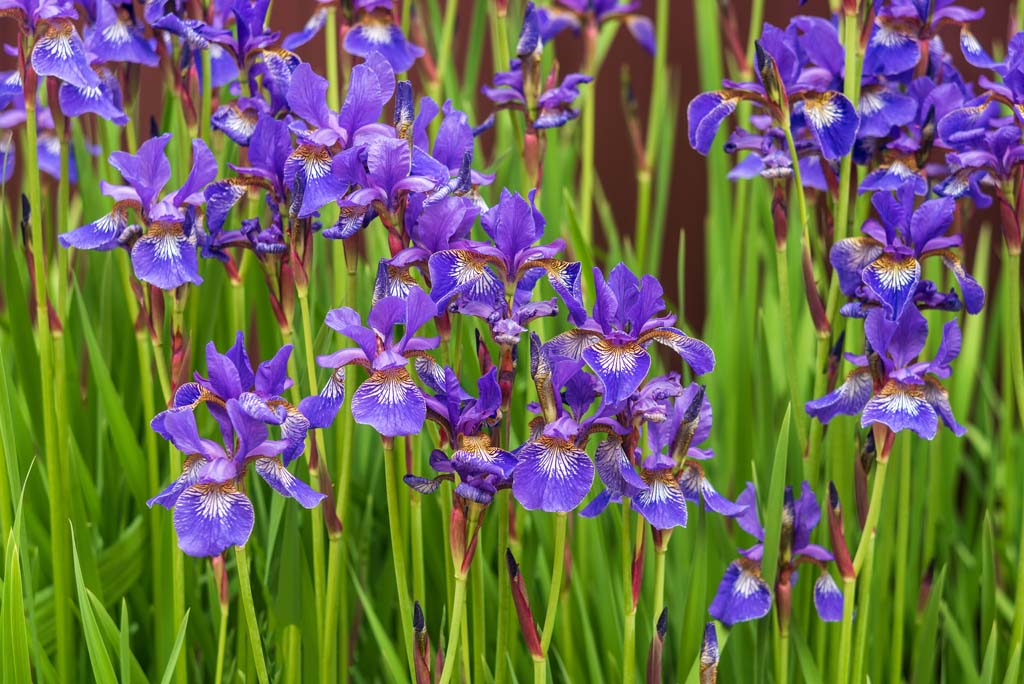
This is a valuable course for anyone with a serious interest in irises either as a commercial grower or an enthusiastic home collector. You will gain an in-depth appreciation of the iris, how to grow them to achieve optimum results and the identification of different varieties of irises. Significant sections are included on landscaping with irises, hybridisation and propagation, harvest, post-harvest treatments, achieving and assessing quality, and exhibiting the flowers.
[More info & enrolment: Growing Iris]
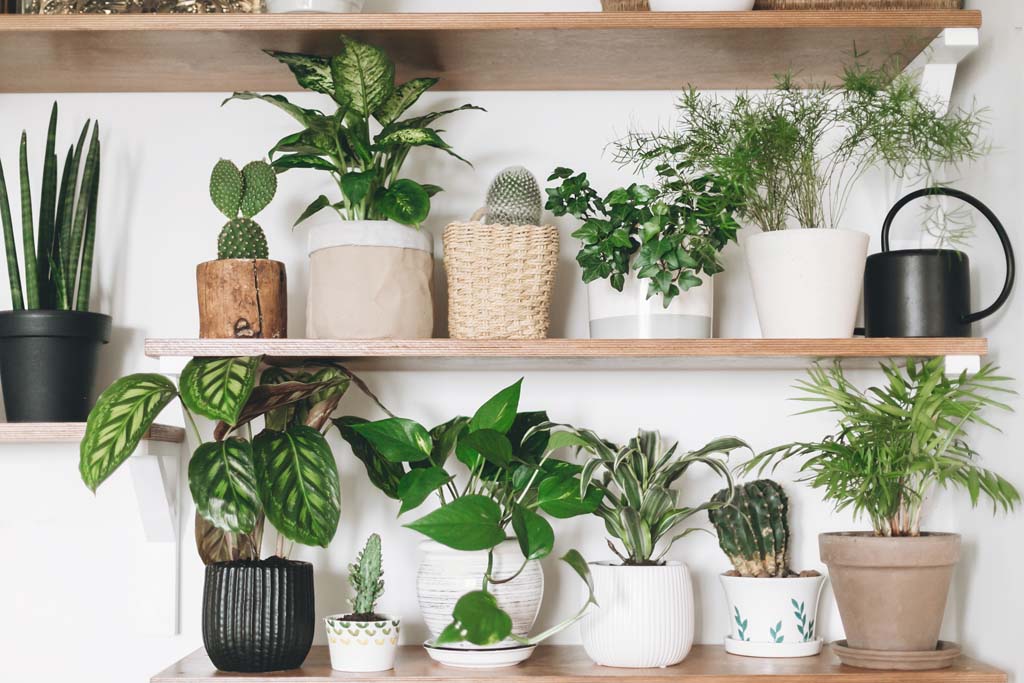
This is a course equally applicable to the professional interior plantscaper or the home owner (or interior decorator) who aspires to achieve the very best results with their indoor plants. You will learn about the main family groups indoor plants fall into, the cultural requirements and general characteristics of each of those groups, and from there develop the ability to select the right plant for the right situation. Many types of growing methods are covered (in pots, baskets, hydroponics, terrariums, greenhouses), as well as soil mixes, propagation, pest control, feeding and lots more.
[More info & enrolment: Interior Indoor (Plants)]
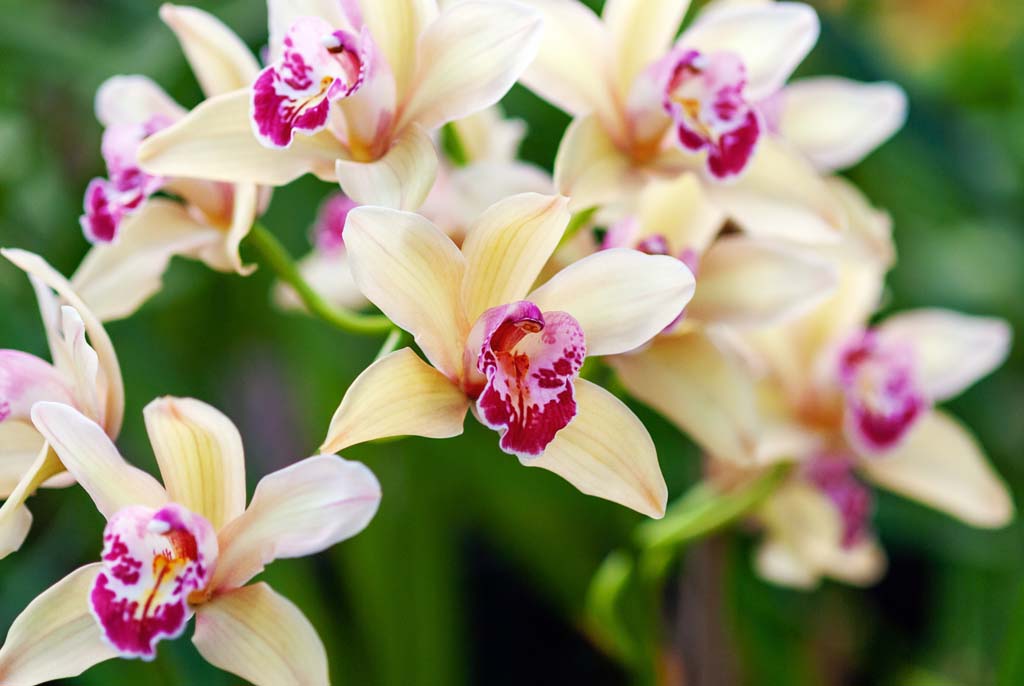
Develop your knowledge of orchids, their culture and uses.
Get the broad picture of what orchids are all about and learn how to improve your results and grow flowers which will be the envy of all who see them.
Course developed by John Mason (author of Growing Orcjhids, published by Hyland House). Tutors include expert professional horticulturists from Australia, N.Z. and the U.K.
[More info & enrolment: Orchid Culture]
  • Learn to
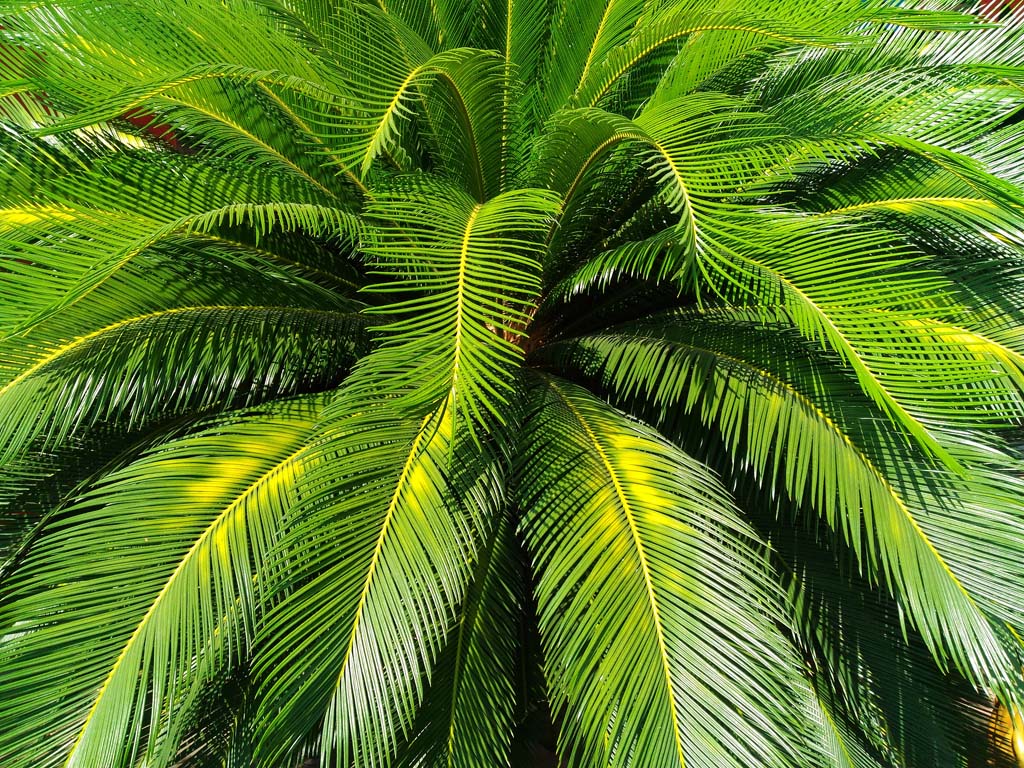
  • -Distinguish between the characteristics of different types of palms and cycads
    -Determine general cultural practices, including propagation, for growing palms and cycads
    -Choose palms and cycads to suit different climatic situations
    -Determine treatments for palms and cycads suffering various health problems
    -Specify appropriate landscape applications for palms and cycads
    -Explain different commercial applications for palms and cycads.

[More info & enrolment: Palms & Cycads]
Create a cascade of colour that re-emerges annually.
Learn what perennials are, about the main types of perennial plants in fashion today, the cultural requirements of each (ie. feeding, watering, soil requirements, pruning, pest control), and how to utilize them to get the best out of them in the landscape. A course equally valuable to landscapers, nurserymen, cut flower growers and garden enthusiasts.
[More info & enrolment: Perennials]
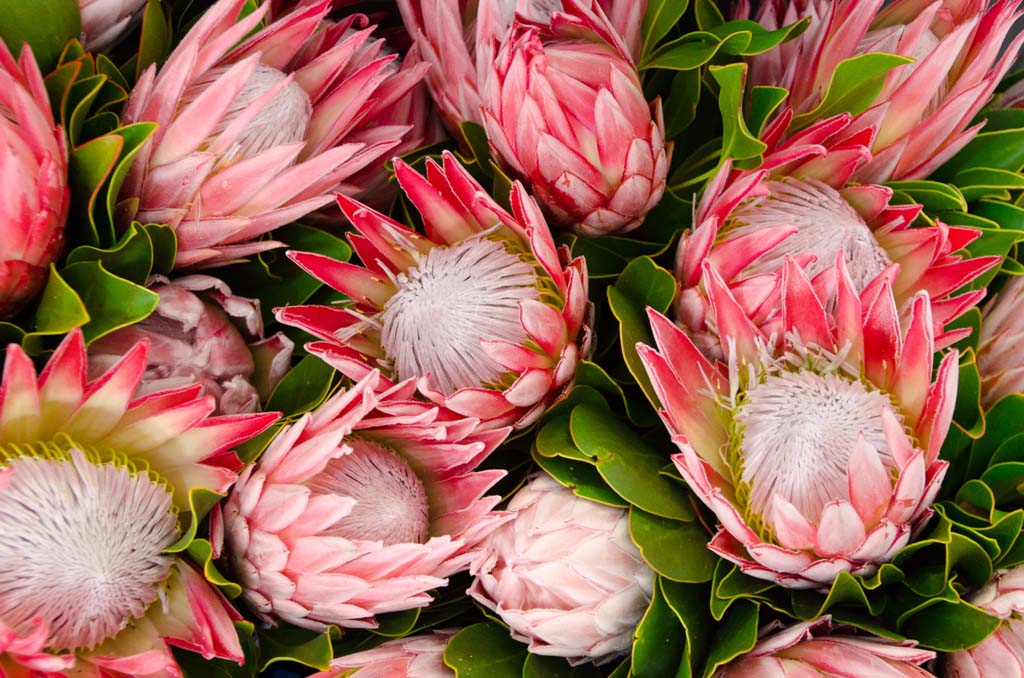
Learn where and how to grow one of the most stunning groups of plants in the world. With the right cultural techniques (e.g. proper drainage, soil treatments, irrigation methods, feeding, pruning, weed control), you can achieve top quality, large blooms in what might otherwise be considered poor horticultural conditions.
[More info & enrolment: Proteas]
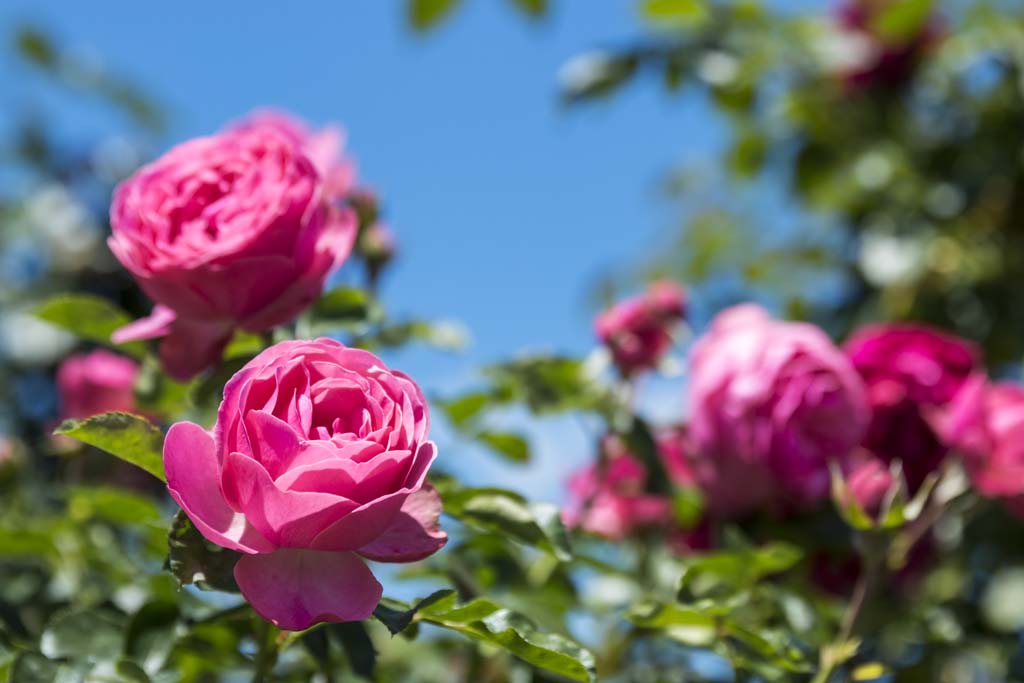
A unique, comprehensive course for rose enthusiasts whether professionals or amateur growe
Roses are one of the most popular ornamental plants in a garden, valued highly for their blooms which many would claim are the most beautiful flowers in existence.
Roses are grown for many reasons, including:
• As a cut flower
• As a landscape specimen (garden plant)
• For perfume extraction
This course is relevant in all these situations.

[More info & enrolment: Roses]
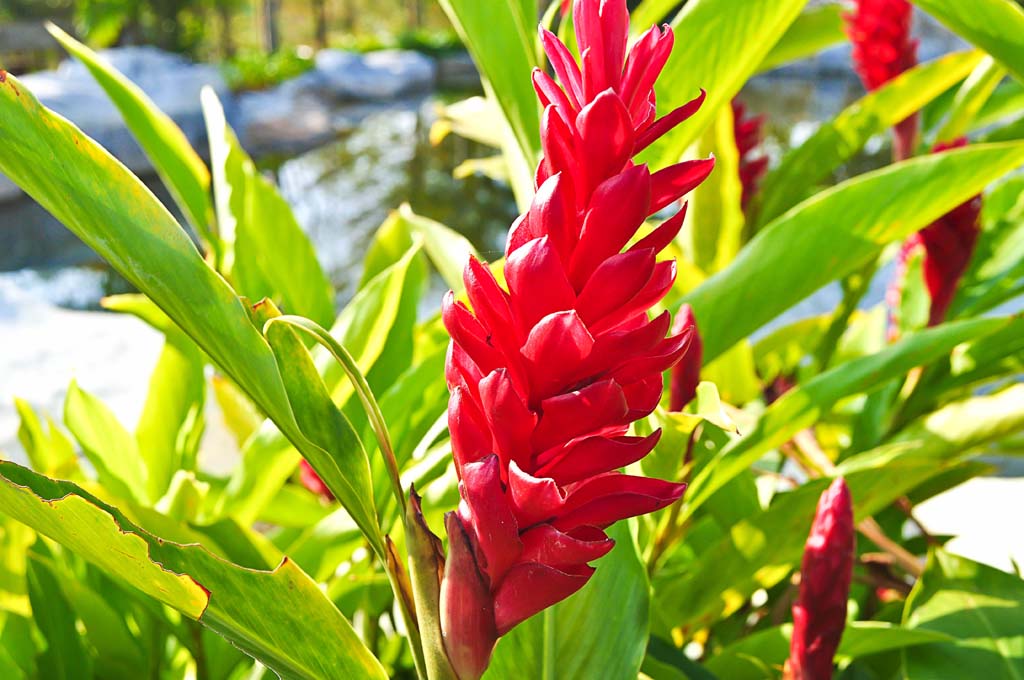
Learn where and how to grow Tropicals.
This course provides a valuable instruction for both growing plants in warm places or in protected places such as greenhouses  and inside homes or offices.
Some people would think a tropical is a plant that comes from the tropics. Others might consider tropical to also include plants from sub tropical places. This course is concentrating on plants which originate from tropical or sub tropical climates; but there may be some plants covered which fit a looser definition of “tropical”

[More info & enrolment: Tropical Plants]
 

Legend:

Course can be studied by Correspondence
Course can be studied Online
Course can be studied on CD with E-Learning
More information...

Refine results:

Only show courses which can be studied through:


Subscribe to the ACS Newsletter

Subscribe for Special Offers, New Services, Courses, Books, Opportunities, Free Stuff and more!
Student Login
RECOGNITION