
All creatures great and small...
A course for Pet Owners, People Working with Pets; or anyone with a passion for domesticated animals.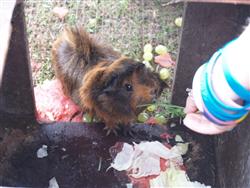

This course is a must for any animal lover, particularly those wishing to work with domestic animals or in the pet care industry.
This course has been developed by highly qualified and experienced professionals including Veterinary Surgeons, a former wildlife park manager, and university lecturers, who are available to support your learning and discuss any queries you may have.
Aims
- Discuss the general principles of pet care, as they relate to a wide range of different types of pets.
- Describe routine care for cats.
- Compare the characteristics of different cat breeds.
- Describe routine care for dogs.
- Compare the characteristics of different dog breeds.
- Describe routine care for birds as pets.
- Describe routine care for fish
- Describe routine care for rabbits as pets.
- Describe routine care for reptiles and amphibians.
- Describe routine care for rodent pets.
Lesson Structure
There are 8 lessons in this course:
-
Introduction to Animal Care
- Laws and licenses
- Animal Charities and Societies (eg. RSPCA, WSPA, Blue Cross)
- Pet Care Needs (feeding, Watering, Shelter, Containment, Fencing, Caging, Protection)
- Maintaining Health
- Hygiene
-
Cats
- Breeds (Lang Haired, Semi Long Haired, Short Haired, Oriental etc)
- Cat Selection
- Allergies
- Containment
- Sexing
- Desexing
- Breeding
- Newborn Kittens
- Exercise
- Behaviour
- Hygiene
- Feed and nutrition
- Amount of food
- Watering, Grooming
- Travelling
- Care for a sick cat (Signs of illness, Temperature, Common ailments, Skin disorders, Ticks)
- Cats and wildlife
-
Dogs
- Dog Selection
- Breeds (Pure and mixed)
- Varying size and temperament
- Grooming
- Skin care
- Inherited traits (aggression, deafness)
- Containment
- Breeding
- Desexing
- Exercise
- Behaviour
- Feeding
- Canine Nutrition
- Bones
- Watering
- Training
- Travelling
- Identifying sickness
-
Birds
- Bird Selection
- Breeds (eg. Canaries, Finches, Budgerigars, Small Parrots etc)
- Sexing
- Desexing
- Containment (Aviaries –selection, design, size, management)
- Feed and Feeding
- Watering
- Grooming (Wing trim, Beak Trim, Nail Trim)
- Hygiene
- Catching and Restraining
- Travelling
- Caring for the Sick Bird
- Signs of illness
- Temperature
- Supportive therapy
- Common Ailments (eg. Abscesses, Alopecia, Apoplexy, Aspergillosis, Breathlessness, Constipation, Parasites)
- Safety in the Home
-
Fish
- Fish Selection
- Inside or Outside
- Warm or Cold water
- Number of fish
- Types of fish (Tropical, Marine, Cold Water)
- Costs, Size
- Equipment: Tanks, Ponds, Pumps, Aquariums, Night lights
- Water quality
- Changing Water, Feed (Pelleted, live feed –Daphnia, Brine Shrimp)
- Illnesses (Fungal, Bacterial, Parasites, Environmental)
-
Rabbits
- Rabbit Breeds (Large, Small and Dwarf)
- Selection
- Legality (Illegal in some areas)
- Containment (Hutch or Cage)
- Environment (temperature etc)
- Feeding, Nutrition, Watering, Feed quantities and routine
- Grooming
- Handling
- Moulting
- Transporting
- Sexing, Breeding
- Identifying illness (Coccidiosis, Snuffles, Myxomatosis, Sore Hocks, Pasteurellosis, Ear Canker, Heat Stroke, Cannibalism, Calicivirus Disease)
- Care of sick rabbits
-
Reptiles and Amphibians
- Types (eg. Salamander, Frogs, Venomous snakes, Non-venomous snakes, Shingle-backed lizard, Tortoises, Terrapins, Axolotls, etc),
- Selection,
- Legal Issues,
- Housing,
- Environmental requirements (Moisture, Humidity, Warmth, etc),
- Terrariums,
- Problems (eg. Dehydration, Stress, External and internal parasites, Blisters, Scale Rot, Mouth Rot or Canker, Colds/pneumonia, Constipation and diarrhoea, Cannibalism, Incomplete sloughing of the skin -shedding of the skin)
- Feed and feeding
- General Care
-
Guinea Pigs, Hamsters and Mice
- Varieties, Selection
- Containment
- Sexing, Breeding
- Grooming
- Feeding, Watering
- Illness (eg. Skin Problems, Abscesses, Mites, Ringworm, Fleas, Respiratory Infection, Vitamin C Deficiency, Otitis, Salmonella, Stripping etc)
Accreditations
What Do Pets Need?
No matter what type of pets you are looking after there are some general needs that must be fulfilled. Learn to cater to a wide variety of needs, including:
- Food
- Water
- Exercise
- Shelter/containment/protection
- Hygiene
- Controlling pests and diseases
Keep Your Pets Healthy
Healthy pets live longer, and cost less to keep. Some breeds may be more susceptible to health problems than others. Some pets may be more suited to your environment than others, and some are easier to care for than others.
Good hygiene is critical for all types of pets. Maintaining hygiene involves ensuring provision of good quality food and water, regularly removing waste matter, and controlling pests and diseases. Regular preventative measures for controlling pests and diseases are vital. Examples include spraying cages/shelters, regular worming treatments, vaccinations, flea and tick treatments, regular inspections for signs of problems in the animals yard as well as on the animal itself, regular grooming and dental care, and quarantining animals that are suspected or known to have pest or disease problems can significantly reduce the likelihood of problems occurring, and minimise their spread when they do occur. Regular veterinary check ups are important, to detect any conditions that may otherwise go unnoticed.
It is important that animals receive adequate opportunity for exercise to avoid them becoming overweight and unhealthy. Many smaller pets thrive on human contact and it is necessary to spend time interacting with them, playing, wrestling or during grooming.
Why Study with ACS?
Design your own learning pathway.
Study at your own pace, from anywhere, at any time.
Receive prompt, expert support from our team of committed and friendly tutors.
Your learning is our priority. We are flexible and adaptable to meet your educational needs!
ACS Student Comment:
"Undertaking research reinforces learning, and it makes me learn more than I would on the course notes alone. The tutor’s comments are very useful. He also provides links to interesting materials relative to my course" -- Lana Hurley, Australia, Pet Care course.
Enrol using the automated procedure on this site or contact us via phone or email to ask questions and enrol with a real person.
You can enrol at anytime and start the course when you are ready. Enrolments are accepted all year - students can commence study at any time. All study is self paced and ACS does not set assignment deadlines.
Please note that if a student is being assisted by someone else (e.g. an employer or government subsidy), the body offering the assistance may set deadlines. Students in such situations are advised to check with their sponsor prior to enrolling. The nominal duration of a course is approximately how long a course takes to complete. A course with a nominal duration of 100 hours is expected to take roughly 100 hours of study time to complete. However, this will vary from student to student. Short courses (eg. 100 hrs duration) should be completed within 12 months of enrolment. Certificates, Advanced Certificates and Awards (eg. over 500 hours duration) would normally be completed within 3 -5 years of enrolment. Additional fees may apply if a student requires an extended period to complete.
If a student cannot submit their assignments for 6 months to ACS, they should advise the school to avoid cancellation of their student
registration. Recommencement fees may apply.
Simply click on the ENROL OPTIONS button at the top of this screen and follow the prompts.
You can see the course price at the top of this page. Click 'enrolment options' to see any payment options available.
You can pay by Credit Card, PayPal, Afterpay or bank transfer.
Yes! We have payment plans for most courses. Click 'enrolment options' to see the available payment plans.
We also have Afterpay that will allow you to pay for your course or payment plans in four instalments (if you are in Australia).
There are no entry requirements that you need to meet to enrol in our courses, our courses are for everyone.
If you are under 18, we need written permission from your parent/ guardian for your enrolment to continue, we can arrange that after you have enrolled.
You don’t need to purchase any additional resources to complete our courses.
What do I need to know before I enrol?
We aim to teach you the essentials without you having to purchase any specific computer program.
We recommend that you have access to a word processing program, such as Microsoft Word or Google Docs, so that you can easily complete and submit your assignments.
You sure can. We are here to help you learn whatever your abilities.
Yes, if you are enrolling in a Certificate or Advanced Certificate, you might be eligible for credits if you have evidence of your previous studies or relevant experience. More information is here.
We recommend that you are able to browse websites, send emails and conduct online research. You will need to be able to type and submit your assignments.
If you have limited computer skills, we can make special arrangements for you.
This is possible, it depends on the institution. We recommend that if you would like to use our courses that you contact the institution first. Our Course Handbook is a good resource for this.
Our courses are written in English and we only have English speaking academic staff. If you can read and complete your assignments in English, our courses are ideal for you.
Our courses are designed to build knowledge, hands on skills and industry connections to help prepare you to work in the area, running your own business, professional development or as a base for further study.
This course has been designed to cover the fundamentals of the topic. It will take around 100 hours to complete, which includes your course reading, assignment work, research, practical tasks, watching videos and anything else that is contained in the course. Our short courses are a great way to do some professional development or to learn a new skill.
It’s up to you. The study hours listed in the course are a rough guide, however if you were to study a short course (100 hours) at 10 hours per week, you could finish the course in 10 weeks (just an example). Our courses are self-paced, so you can work through the courses in your own time. We recommend that you wait for your tutor to mark and return your assignment before your start your next one, so you get the benefits of their feedback.
The course consists of course notes, videos, set tasks for your practical work, online quizzes, an assignment for each lesson (that you receive feedback from your tutor from) and ends in an exam (which is optional, if would like to receive the formal award at the end), using our custom built Learning Management System - Login.Training.
Our courses are designed for adults to gain professional development and skills to further their careers and start businesses.
Our custom online learning portal allows you to conduct your learning online. There may be practical tasks that you can do offline. You have the option of downloading your course notes or print them to read later.
There is also the option to pay an additional fee for printed course notes and or USB (availability limited to location and deliverability).
Yes, if you don’t have access to the internet, you can receive the course as paper notes or on a USB stick for an additional fee. We can also make alternative arrangements for you to send your assignments to us.
We offer printed notes for an additional fee. Also, you can request your course notes on a USB stick for an additional fee.
Yes, your tutor is here to help you. Simply post any questions you have in your login.training portal or contact the office and we can pass on a message to your tutor.
We are more learning focussed, rather than assessment focussed. You have online quizzes to test your learning, written assignments and can complete an exam at the end of the course (if you want to receive your certificate). You will not receive a pass/ fail on your course work. If you need to add more details on your assignment, we will ask you to resubmit and direct you where you need to focus. If you need help, you can ask your tutor for advice in the student room.
Each module (short course) is completed with one exam.
Exams are optional, however you must sit an exam if you would like to receive a formal award. You will need to find someone who can supervise that you are sitting the exams under exams conditions. There is an additional cost of $60 incl. GST for each exam.
More information is here
There are practical components built into the course that have been designed to be achieved by anyone, anywhere. If you are unable to complete a task for any reason, you can ask your tutor for an alternative.
When you complete the course work and the exam and you will be able receive your course certificate- a Statement of Attainment. Otherwise, you can receive a Letter of Completion.
You can bundle the short courses to create your own customised learning bundle, Certificates or Advanced Certificates. More information is on this page.
Yes, our courses are built to be applicable for people living anywhere in any situation. We provide the fundamentals, and each student can apply their own unique flair for their own interests, region and circumstances with the one-on-one guidance of a tutor. There is also a bit of student directed research involved.
Employers value candidates with industry skills, knowledge, practical skills and formal learning. Our courses arm you with all of these things to help prepare you for a job or start your own business. The longer you study the more you will learn.
ACS has an arrangement with OAMPS (formerly AMP) who can arrange Professional Indemnity from Australian and New Zealand graduates across all disciplines. Ph: 1800 222 012 or email acs@oamps.com.au.
Who are ACS Distance Education?
ACS Distance Education have been educating people for over 40 years.
We are established and safe- we have been in education for over 40 years.
We are focused on developing innovative courses that are relevant to you now and what you will need to know in the future.
We are focused on helping you learn and make the most of your experience.
You can enrol at any time, you can work on your course when it suits you and at your own pace.
We are connected to many industry bodies and our staff participate in continuous improvement and learning activities to ensure that we are ahead of what learning is needed for the future.
Our courses are not accredited by the Australian Government. However many of our courses are recognised and held in high regard by many industry bodies.
Our courses are written by our staff, who all have many years experience and have qualifications in their speciality area. We have lots of academic staff who write and update our courses regularly.
How do I enrol my staff/ sponsored students?
Yes, you can do a request for a bulk enrolment and request an invoice on our Invoice Request Form
We can prepare an invoice, quote or proforma invoice. Simply complete your details on our Invoice Request form
We can arrange bulk discounts for your course enrolment, please get in touch with us to discuss your needs.
Yes, we have many students who are in locked facilities, such as prisons or hospitals. We can cater by also offering paper notes at an additional cost.
What if I have any more questions or need more information?
We can assist you to find the right course for your needs. Get in touch with us via email (admin@acs.edu.au) call on +61 7 5562 1088 or complete our course advice form.
What if I change my mind?
Please get in touch with studentservices@acs.edu.au if you would like to be removed from our mail list.
If you would like ACS Distance Education to delete your information at any time (whether you are a customer or a prospective customer), please contact our privacy officer and we will process this ( admin@acs.edu.au ).
If students require a reproduction of their certificate, an electronic copy can be provided at a cost of AUD$35 incl GST. Printed copies are not available.
Course Contributors
The following academics were involved in the development and/or updating of this course.

Dr Robert Browne
Zoologist, Environmental Scientist and Sustainability, science based consultancy with biotechnology corporations. Work focused on conservation and sustainability.
Robert has published work in the fields of nutrition, pathology, larval growth and development, husbandry, thermo-biology, reproduction technologies, and facility design.Robert has B.Sc., Ph, D.

Alison Pearce
University Lecturer, Quality Assurance Manager, Writer and Research Technician. Alison originally graduated with an honors degree in science from university and beyond that has completed post graduate qualifications in education and eco-tourism. She has managed veterinary operating theatre, responsible for animal anesthesia, instrument preparation, and assistance with surgical techniques and procedures.

Dr. Gareth Pearce
Veterinary scientist and surgeon with expertise in agriculture and environmental science, with over 25 years of experience in teaching and research in agriculture, veterinary medicine, wildlife ecology and conservation in the UK, Australia and New Zealand. Post-graduate qualifications in Education, Wildlife Conservation Medicine, Aquatic Veterinary Studies and Wildlife Biology & Conservation.
Gareth has a B.Sc.(Hons), B.V.Sc., M.A., M.Vet.S,. PhD, Grad. Cert. Ed.(HE), Post-Grad.Cert. Aq.Vet.Sc., Post-Grad. Cert. WLBio&Cons., Dipl. ECPHM, MRCVS.
Horse Care
This book is an accumulation of information from biology, agricultural science and veterinary medicine. It looks to explore and explain the fundamentals of appropriate horse care aims and techniques. In doing so it will consider horsemanship as a combination of art and science.
Poultry
Poultry are entertaining as pets and life sustaining as a commercial product! Whether you are seeking a book as a beginner poultry keeper or if you are embarking on a new career in poultry production or management, this book is for you. Easy to read, easy to understand and packed with easy to implement practical advice. Know how to care for the health and wellbeing of poultry and make production a commercially viable enterprise.

Animal Health 2nd edition
Understand health issues, disease and injury prevention, inspecting animals, differential diagnosis and common illnesses. Animals can suffer from injury, poisoning, hereditary conditions, nutritional problems and viral, bacterial and fungal infections. A book for managing pets, farm animals, or wildlife.

Caring for Dogs
Covers Breeds, Creating a healthy home for dogs, legal issues, dog biology, recognising poor health, parasites, illnesses, nutrition, reproduction, dog psychology, behavioural development, training tips, behaviour problems, grooming, working in the dog industry, and more. This is a book for dog owners, students and anyone interested in working with dogs. 79 pages, 71 colour photos.

Cat Care
ebook