
Human Nutrition III
Learn about nutritional disorders, food allergies, sensitivities, intolerances and detoxification. This is the third and final module in the trilogy of foundational nutrition modules. It can also be a standalone course and studied separately.
What is Healthy Eating?
- Someone wishing to learn more about managing food intolerances for themselves or their loved ones.
- Health professionals looking to increase their knowledge in this area
- Students wishing to work in the Nutrition industry
Aims
- Explain different food related health problems.
- Determine the effect which different physical methods of food intake, can have upon health, including time and order of eating, and chewing.
- Manage food sensitivity problems.
- Implement procedures to avoid food poisoning.
- List food related factors which can have a negative influence on health.
- Distinguish between characteristics of the diets of two healthy people with diets of unhealthy people, studied by the learner.
- Differentiate between dietary and other affects, on the health of a specific individual.
- Explain the significance of cholesterol to health of a specific demographic group.
- Explain the significance of diet to cancer in a specified demographic group.
- Compare differences in physiological responses to different patterns of eating, including: *The order in which different types of food are eaten; * The time of day when different types of food are eaten; *The degree to which different types of foods are chewed; *The speed of swallowing; *The amount of time between eating different food types.
- Explain food combining principles, in a diet designed to optimise food combining principles.
- Plan a dietary timetable which optimises the ability of a typical person on a specified budget, to digest and assimilate food.
- Formulate a nutritionally balanced vegetarian diet.
- Formulate a diet compatible with a person's level of physical activity.
- Manage fibre in the diet.
- Manage diet to optimise dental health.
- Recommend a safe method of detoxification.
- Recommend a nutritional program to a client in a proper and responsible manner
What You Will Do
- Distinguish between food sensitivity and toxicity in two different case studies.
- Distinguish between chemical and pathological toxicity, in four different case studies.
- List foods commonly associated with sensitivity problems.
- List foods commonly associated with toxicity problems.
- Explain problems associated with common food sensitivity and toxicity including: -Gluten Sugar -Salt -Yeast -MSG.
- Develop a checklist of body reactions which may occur, in response to food sensitivity or toxicity, as a tool for diagnosing possible causes.
- Describe different scientific procedures used to test for food sensitivities and toxicities.
- Explain the role of histamines, anti histamines and steroids in human toxicology.
- Explain first aid treatments for people suspected to be suffering from different food sensitivity or toxicity problems.
- Explain a procedure used by a health practitioner, to treat someone affected by a specified type of food poisoning.
- Determine guidelines to minimise food toxicity problems in a visited restaurant.
- List factors which can cause food poisoning.
- Explain different pathological sources of serious food poisoning; including identification, physiological effects and control.
- Explain chemical poisoning risks associated with the use of chemicals to control pathological poisoning risks.
- Explain food storage and preparation techniques essential to minimising food poisoning.
- Develop guidelines to minimise food poisoning your own kitchen, based upon your normal dietary requirements.
- Develop guidelines to minimise food toxicity problems in a restaurant.
- Explain procedures practiced by a visited food manufacturer, to control food sensitivity and toxicity problems with their product.
- Compare in a chart or table, three different styles of vegetarianism.
- Explain different specified risks associated with a vegetarian diet.
- List alternative sources for different components of foods normally derived from animal products, including: *Tryptophan *Methionine *Valine *Threonine *Phenylalanine *Leucine *Isoleucine *Lysine.
- Formulate a balanced vegetarian diet, for a specified individual.
- Explain the relationship between different types of food and exercise.
- Explain the management of diet for a specified situation, before, during and after activity.
- Explain how diet can effect performance of different specified types of exercises.
- Explain the role of fibre in the digestive system, of a specified demographic group.
- Explain possible implications of inadequate fibre in the diet, for different specified demographic groups.
- Compare relative value of the fibre content of dfferent foods.
- Explain inflammatory bowel disease (IBD), in a specified case study.
- Compare fibre content in the diets of different people interviewed.
- Recommend modifications to the fibre intake people interviewed.
- Explain the biology of the teeth, including anatomy and physiology.
- Explain the effect of five different foods on the teeth and gums.
- Describe dental problems influenced by diet.
- Develop guidelines for healthy dental hygiene procedures, including both dietary and other practices.
- List factors which affect accumulation of toxins in the body.
- Explain different benefits of detoxification, for three different demographic groups.
- Explain different techniques of accelerating elimination of toxins from the body -Heat (eg. Sauna) -Fasting -Diet Modification -Antioxidants -Exercise -Drugs and Herbs - Disease Stress control.
- Explain the dangers of excessive detoxification, for different demographic groups.
- Evaluate appropriate detoxification needs for an specified individual.
- Recommend a detoxification program based upon a specified evaluation.
- Explain legal risks involved in giving nutritional advice to a client.
- Explain the moral responsibilities involved in providing nutritional advice.
- Determine ways in which specific examples of nutritional advice may be misinterpreted.
- Develop guidelines for a system to ensure nutritional advice is followed by clients as intended, including provision for monitoring.
- Demonstrate a consultation with a client, real or hypothetical, presenting a nutritional program, designed for that client.
Lesson Structure
There are 8 lessons in this course:
-
Nutrient Imbalance and Disease
- Food risk factors
- What disease is impacted by what nutrient issues
- Important nutrients often lacking in some diets
- Iodine
- Potassium
- Magnesium
- Calcium
- Iron
- Fats, lipids and cholesterol
- Cholesterol
- Fats -saturated, monosaturated, polyunsaturated
- Low salt or low sodium diets
- Sugars -components of different sweeteners
- Heart disease and diet
- Fats and heart disease
- Triglycerides and heart disease
- Heart affects of Cholesterol, sugar, salt, alcohol, carbohydrates, fish, etc
- Obesity and insulin
- Metabolic syndrome
- Cancer
- Protein-energy malnutrition (PEM)
- PEM in hospitalised people
- PEM types -primary, secondary, kwashiorkor, marasmus
- Diagnosis of PEM
- Treating PEM
- Prognosis for PEM partients
- PEM prevention
- Health problems and solutions
- Special considerations for pregnant and nursing women
- Special Project -a problem based learning project where you will investigate the relationship between nutrition an a particular disease (eg. Celiac disease, Osteoporosis or Diabetes).
-
Dental Problems
- Tooth structure
- Anatomy of teeth
- Nutrition and dental health
- Fluoride intake
- Who needs fluoride
- Foods that supply fluoride
- Calcium intake
- The decay process
- Preventing plaque
- Nursing bottle syndrome
- Preventing dental problems
- Reasons to prevent tooth decay
- Causes of tooth decay
- Dental hygiene
- Homemade toothpastes and mouth washes
-
Fibre and Diseases of the Bowel
- Understanding fibre
- How fibre works in the body
- Fibre in food -soluble and insoluble
- Health and dietary fibre
- Resistant starch
- How the digestive system works
- Conditions linked to low fibre diets
- Fibre and managing blood cholesterol
- Fibre and diabetes
- Fibre and weight control
- Increase your fibre
- Bowel checks
-
Different ways of Eating
- How we eat is important
- Compatibility of ingredients
- Vegetarian, vegan and alternate diets
- Health considerations with not eating animal products
- Sourcing organic, vegetarian and vegan foods
- Alternative diets for young children
- Diet during pregnancy
-
Food Toxicities and Sensitivities
- Allergies and sensitivities
- Differences between sensitivity, allergy, anaphylaxis and intolerance
- Allergies -common allergens, likely symptoms
- Natural toxins in foods
- Increase in rates of allergies
- Inheritance of allergies and intolerances
- Food allergy symptoms
- Anaphylaxis -causes, symptoms, treatment
- Causes of common food allergies and food intolerances
- Diagnosing and dealing with food sensitivities
- Avoiding the food
- Preventing food allergy in children
- Food laws and labels
- Special medical considerations
-
Food Toxicity and Poisoning
- Causes of food poisoning
- Bacterial food poisoning causes, types of bacteria, prevention
- Bacillus cerus poisoning
- Campylobacter
- Campylobacter jejuni
- Clostridium perfringens
- Clostridium botulinum
- Enteropathogenic Escherichia coli
- Listeria spp.
- Salmonella spp.
- Staphylococcus aureus
- Vibrio parahaemolyticus
- Yersinia enterocolitica
- Treating bacterial poisoning
- Contamination from cooking -aluminium, copper, cooking source, wood preservatives.
- Contamination from food processing -eg. cleaning chemicals
- Effects of food preparation on nutrition -problems caused by cooking
- Food production and processing issues
- Milling and refining
- Additives, colourings, flavourings
- Deteriorating food
- Microorganisms
- Enzymes
- Mechanical deterioration
- Ripening fruit
- Low temperature damage
- Hygiene practices
-
Detoxification or Body Cleansing
- Introduction
- Methods of detoxification
- Water and juice fasting
- Weekend mono diet
- Chelation therapy
- Fasting
- Side effects of fasting
- Water therapies
- Cathartics -laxatives, purgatives
- Acidophilus
- Herbal treatments -alfalfa, aloe vera, cranberry juice, echinacea, chamomile, parsley, etc
- Massage -lymphatic drainage, swedish massage
- Bowel Movements and urination
- Cautions
-
Consulting and Giving Advice on Diet
- Legalities
- Insurance
- Professional bodies
- Holistic approach
- Ethics
- The consultation
- Compliance
- Setting a nutritional program
Accreditations
Some People Should Avoid Certain Foods
Some people seem to be able to eat anything, without suffering any signs of ill health. They always appear fit, never get sick, don't get over weight, and they still eat junk food and other things which others simply cannot tolerate. The healthy body has a remarkable ability to process and eliminate unwanted chemicals. If a person is in peak condition, any excesses or unwanted components of food, are likely to be eliminated through the urinary or excretory system, or even through sweat.
Very few people, however, are in such a good state of health; and even those who are, are unlikely to continue disposing of unwelcome chemical compounds year after year for their entire lifespan. Sooner or later their ability to tolerate undesirable foods will decrease, and problems will develop.
For some of these diseases there is a clear and well-established link between the nutrient imbalance and disease risk. In some cases, the magnitude of the increased risk is very high, in others it is not so. For example, the risk of obesity is well known to be higher if you have a high calorie diet, and the risk is significant. But the chances of a man developing prostate cancer due to high calorie diet is only just being established and the relationship being the nutrient excess and the magnitude of increased risk is not yet clear. It is important to keep an eye on current research, and to be familiar with releases from professional nutrition bodies regarding diet and health implications.
Everyone is Different though.
Foods that are a problem for one person may be nutritious for someone else.
This is a complex subject!
This course lays a foundation for understanding this subject better and developing your understanding, into the future.
Who Should Study This Course?
This course is aimed at many people including:
- Food coaches
- Nutritionists
- Dieticians
- Meal planners
- Chefs
- Cooks
- Health & wellness coaches
- Life coaches
- Food writers
- Marketers
- Researchers
- Food scientists
Enrol to discover how to manage food sensitivities, intolerances, allergies and nutritional disorders.
Enrol using the automated procedure on this site or contact us via phone or email to ask questions and enrol with a real person.
You can enrol at anytime and start the course when you are ready. Enrolments are accepted all year - students can commence study at any time. All study is self paced and ACS does not set assignment deadlines.
Please note that if a student is being assisted by someone else (e.g. an employer or government subsidy), the body offering the assistance may set deadlines. Students in such situations are advised to check with their sponsor prior to enrolling. The nominal duration of a course is approximately how long a course takes to complete. A course with a nominal duration of 100 hours is expected to take roughly 100 hours of study time to complete. However, this will vary from student to student. Short courses (eg. 100 hrs duration) should be completed within 12 months of enrolment. Certificates, Advanced Certificates and Awards (eg. over 500 hours duration) would normally be completed within 3 -5 years of enrolment. Additional fees may apply if a student requires an extended period to complete.
If a student cannot submit their assignments for 6 months to ACS, they should advise the school to avoid cancellation of their student
registration. Recommencement fees may apply.
Simply click on the ENROL OPTIONS button at the top of this screen and follow the prompts.
You can see the course price at the top of this page. Click 'enrolment options' to see any payment options available.
You can pay by Credit Card, PayPal, Afterpay or bank transfer.
Yes! We have payment plans for most courses. Click 'enrolment options' to see the available payment plans.
We also have Afterpay that will allow you to pay for your course or payment plans in four instalments (if you are in Australia).
There are no entry requirements that you need to meet to enrol in our courses, our courses are for everyone.
If you are under 18, we need written permission from your parent/ guardian for your enrolment to continue, we can arrange that after you have enrolled.
You don’t need to purchase any additional resources to complete our courses.
What do I need to know before I enrol?
We aim to teach you the essentials without you having to purchase any specific computer program.
We recommend that you have access to a word processing program, such as Microsoft Word or Google Docs, so that you can easily complete and submit your assignments.
You sure can. We are here to help you learn whatever your abilities.
Yes, if you are enrolling in a Certificate or Advanced Certificate, you might be eligible for credits if you have evidence of your previous studies or relevant experience. More information is here.
We recommend that you are able to browse websites, send emails and conduct online research. You will need to be able to type and submit your assignments.
If you have limited computer skills, we can make special arrangements for you.
This is possible, it depends on the institution. We recommend that if you would like to use our courses that you contact the institution first. Our Course Handbook is a good resource for this.
Our courses are written in English and we only have English speaking academic staff. If you can read and complete your assignments in English, our courses are ideal for you.
Our courses are designed to build knowledge, hands on skills and industry connections to help prepare you to work in the area, running your own business, professional development or as a base for further study.
This course has been designed to cover the fundamentals of the topic. It will take around 100 hours to complete, which includes your course reading, assignment work, research, practical tasks, watching videos and anything else that is contained in the course. Our short courses are a great way to do some professional development or to learn a new skill.
It’s up to you. The study hours listed in the course are a rough guide, however if you were to study a short course (100 hours) at 10 hours per week, you could finish the course in 10 weeks (just an example). Our courses are self-paced, so you can work through the courses in your own time. We recommend that you wait for your tutor to mark and return your assignment before your start your next one, so you get the benefits of their feedback.
The course consists of course notes, videos, set tasks for your practical work, online quizzes, an assignment for each lesson (that you receive feedback from your tutor from) and ends in an exam (which is optional, if would like to receive the formal award at the end), using our custom built Learning Management System - Login.Training.
Our courses are designed for adults to gain professional development and skills to further their careers and start businesses.
Our custom online learning portal allows you to conduct your learning online. There may be practical tasks that you can do offline. You have the option of downloading your course notes or print them to read later.
There is also the option to pay an additional fee for printed course notes and or USB (availability limited to location and deliverability).
Yes, if you don’t have access to the internet, you can receive the course as paper notes or on a USB stick for an additional fee. We can also make alternative arrangements for you to send your assignments to us.
We offer printed notes for an additional fee. Also, you can request your course notes on a USB stick for an additional fee.
Yes, your tutor is here to help you. Simply post any questions you have in your login.training portal or contact the office and we can pass on a message to your tutor.
We are more learning focussed, rather than assessment focussed. You have online quizzes to test your learning, written assignments and can complete an exam at the end of the course (if you want to receive your certificate). You will not receive a pass/ fail on your course work. If you need to add more details on your assignment, we will ask you to resubmit and direct you where you need to focus. If you need help, you can ask your tutor for advice in the student room.
Each module (short course) is completed with one exam.
Exams are optional, however you must sit an exam if you would like to receive a formal award. You will need to find someone who can supervise that you are sitting the exams under exams conditions. There is an additional cost of $60 incl. GST for each exam.
More information is here
There are practical components built into the course that have been designed to be achieved by anyone, anywhere. If you are unable to complete a task for any reason, you can ask your tutor for an alternative.
When you complete the course work and the exam and you will be able receive your course certificate- a Statement of Attainment. Otherwise, you can receive a Letter of Completion.
You can bundle the short courses to create your own customised learning bundle, Certificates or Advanced Certificates. More information is on this page.
Yes, our courses are built to be applicable for people living anywhere in any situation. We provide the fundamentals, and each student can apply their own unique flair for their own interests, region and circumstances with the one-on-one guidance of a tutor. There is also a bit of student directed research involved.
Employers value candidates with industry skills, knowledge, practical skills and formal learning. Our courses arm you with all of these things to help prepare you for a job or start your own business. The longer you study the more you will learn.
ACS has an arrangement with OAMPS (formerly AMP) who can arrange Professional Indemnity from Australian and New Zealand graduates across all disciplines. Ph: 1800 222 012 or email acs@oamps.com.au.
Who are ACS Distance Education?
ACS Distance Education have been educating people for over 40 years.
We are established and safe- we have been in education for over 40 years.
We are focused on developing innovative courses that are relevant to you now and what you will need to know in the future.
We are focused on helping you learn and make the most of your experience.
You can enrol at any time, you can work on your course when it suits you and at your own pace.
We are connected to many industry bodies and our staff participate in continuous improvement and learning activities to ensure that we are ahead of what learning is needed for the future.
Our courses are not accredited by the Australian Government. However many of our courses are recognised and held in high regard by many industry bodies.
Our courses are written by our staff, who all have many years experience and have qualifications in their speciality area. We have lots of academic staff who write and update our courses regularly.
How do I enrol my staff/ sponsored students?
Yes, you can do a request for a bulk enrolment and request an invoice on our Invoice Request Form
We can prepare an invoice, quote or proforma invoice. Simply complete your details on our Invoice Request form
We can arrange bulk discounts for your course enrolment, please get in touch with us to discuss your needs.
Yes, we have many students who are in locked facilities, such as prisons or hospitals. We can cater by also offering paper notes at an additional cost.
What if I have any more questions or need more information?
We can assist you to find the right course for your needs. Get in touch with us via email (admin@acs.edu.au) call on +61 7 5562 1088 or complete our course advice form.
What if I change my mind?
Please get in touch with studentservices@acs.edu.au if you would like to be removed from our mail list.
If you would like ACS Distance Education to delete your information at any time (whether you are a customer or a prospective customer), please contact our privacy officer and we will process this ( admin@acs.edu.au ).
If students require a reproduction of their certificate, an electronic copy can be provided at a cost of AUD$35 incl GST. Printed copies are not available.
Course Contributors
The following academics were involved in the development and/or updating of this course.

Karen Lee
Nutritional Scientist, Dietician, Teacher and Author.
BSc. Hons. (Biological Sciences), Postgraduate Diploma Nutrition and Dietetics.
Registered dietitian in the UK, with over 15 years working in the NHS. Karen has undertaken a number of research projects and has lectured to undergraduate university students. Has co authored two books on nutrition and several other books in health sciences.

Lyn Quirk
M.Prof.Ed.; Adv.Dip.Compl.Med (Naturopathy); Adv.Dip.Sports Therapy
Over 30 years as Health Club Manager, Fitness Professional, Teacher, Coach and Business manager in health, fitness and leisure industries. As business owner and former department head for TAFE, she brings a wealth of skills and experience to her role as a tutor for ACS.

Jade Sciascia
Biologist, Business Coordinator, Government Environmental Dept, Secondary School teacher (Biology); Recruitment Consultant, Senior Supervisor in Youth Welfare, Horse Riding Instructor (part-completed) and Boarding Kennel Manager.
Jade has a B.Sc.Biol, Dip.Professional Education, Cert IV TESOL, Cert Food Hygiene.
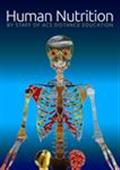
Human Nutrition
Both a text for students, or an informative read for anyone who wants to eat better. While covering the basics, the book approaches nutrition a little differently here to some other books, with sections covering ”Modifying diet according to Genetic Disposition or Lifestyle”, “How to find Reliable Information on Nutrition” and “Understanding how Diet relates to Different Parts of the Body” (including Urinary, Digestive, Respiratory and Circulatory System, the Brain, etc). This ebook was written to complement the ACS Nutrition I course, and provides a solid foundation for anyone wanting to grasp a fundamental understanding of Human Nutrition.
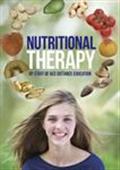
Nutritional Therapy
Discover how the way you eat can impact upon the affects of an illness. This book is unique, written by our health and nutritional scientists. Chapters cover: “Scope and Nature of Nutritional Therapy”, “How different factors Interact with Nutrition”, “Different Ways” and “Appropriate Therapeutic Responses for Different Health Issues” Thirty different conditions are covered from Mental Illness and Gastritis to Coeliac Disease and Osteoporosis.