
Fitness Leaders Certificate
Become a fitness leader. Learn skills to change peoples' lives. Discover how to build client trust, avoid injuring clients, and understand dietary requirements. Understand human anatomy & physiology, exercise, and fitness programs.










STUDY FITNESS ONLINE
What Our Students Say
"I have been involved in sport all my life and now have an in-depth look behind the scenes so to speak."
Judy, on studying the Fitness Leader Certificate
Aims
- Explain the nature of the health and fitness industries.
- Explain the human body at a microscopic level, including the structure and function of cells, tissues, and membranes.
- Explain the relationship between the body and health, fitness and exercise, with reference to physiological processes, including energy pathways during resting, work and recovery, and how energy is used in the human body to create work and power.
- Explain the relationship between the body and health, fitness and exercise, with respect to risk involved in exercise.
- Explain different physiological systems of the body.
- Explain movement of materials in and out of living cells.
- Explain features of the human skeletal system, and the human muscular system, in terms of structure and basic function.
- Evaluate body movements during different exercises.
- Explain the human nervous system, in terms of structure and basic functions.
- Differentiate aqua fitness activities differ other fitness activities.
- Design fitness programs, which are both safe and effective, to fulfil specified requirements of an individual.
- Deliver a fitness program to a small group of clients.
- Explain ergogenic aids to body performance during activity/exercise.
- Explain body regulation processes
- Manage the wellbeing of participants in a fitness program, including safety and injury.
- Design fitness programs, which are both safe and effective, catering to needs of special populations (weight control programs, handicapped/disabled persons programs or for the elderly).
Lesson Structure
There are 13 lessons in this course:
-
Introduction to Health and Fitness
- The components of fitness
- Fitness
- Physical fitness
- Cardiovascular fitness
- Muscular strength and muscular endurance
- Flexibility
- Motor fitness
-
Exercise Physiology
- The cardio-respiratory system
- The heart
- The cardiac cycle
- The vascular system
- Circulation
- Energy systems
- Objectives
- Energy
- The ATP cycle
- The phosphocreatine, lactic acid and aerobic energy systems
-
Exercise Principles and Cardio-respiratory Programming
- The cardio-respiratory system
- The heart
- The cardiac cycle
- The vascular system
- Circulation
-
Physiology: Digestion, Excretion, Physiological Systems
- Osmosis and Diffusion
- Digestive system
- Urinary system
- Endocrine system
- Respiratory System
- Breathing action
-
Introduction to Biomechanics: The skeleton and muscles
- Bones and joints and Muscles and muscle actions
- The skeleton
- Four types of bone
- Factors affecting bone structure
- The three types of joint
- Synovial joints
- Joint movement terms
- Muscles
- Muscle group actions
- Muscle group actions on the joints
-
Biomechanics and Risk
- Nervous system & Terminology
- Central Nervous System - Brain, terminology
- Spinal Chord
- Peripheral Nervous System
- Training and risk
- Common Musculoskeletal Injuries
- Back Injuries
- Injury prevention tips
-
Aqua fitness, exercise, routines, and equipment
- Physiology of an aqua fitness session
- Stretching
- Types of exercises
- The components of a warm up
- Components of a cool down
-
Fitness Program Design
- Design process
- Developing Physique
- Basic Conditioning Exercises
- Cardiorespiratory (Aerobic) Endurance
- Structure of an aerobic training session
- Weight Training
- Qualities of A Professional
- Leadership Communication
- Communication Barriers
-
Delivering A Fitness Program
- Customer service
- Your communication skills
- Dealing with customer complaints
- Self Esteem
- Communicating for effective relationships
- Key communication strategies
-
Ergogenic Aids to Performance
- Drugs
- Oxygen
- Ice baths
- Massage
- Clothing & Equipment
- Carbohydrate Loading
- Common Misconceptions (re: Gender, Protein Loading, Weight Loss, etc.)
-
Regulating Body Physiology
- The acid base balance
- The effect of changing atmospheric pressure
- Temperature regulation
- Acid Base balance
- Acidity
-
Safety, Injury and General Wellbeing
- Ethical practice
- Safety and injury
- General wellbeing, which can cover psychological as well as physiological wellbeing.
- Sample Screening Questionnaire
- Sample Medical Clearance form
-
Fitness Programs for Special Groups
- Program management
- Exercise variables (frequency, duration, intensity)
- Four zones of training
- Programs for weight control and evaluation of cardiorespiratory endurance and
- muscular strength and endurance
Accreditations
OUR HISTORY WITH FITNESS
We developed our first distance education course in fitness in the 1980's. In the 1990's we developed and accredited a fitness leaders certificate with the Queensland Fitness Accreditation Council (QFAC). In the early 2000's we added content to this course to meet U.K fitness leader registration requirements and at that point, the course became formally recognised in both the UK (through YMCA and a partner college we worked with), and through accreditation bodies in Australia. Over time, the content and structure of the course in both Australia and the UK changed. e.g. In the 1990's, a registered fitness leader needed to do around 150 hours of study; but over time that reduced to as little as 40 hours through some trainers.
This course has changed little since around 2000, except to update technical information. We recognised that the level of knowledge made more of a difference to a graduates career.
If you seek formal certification, that requirement differs from one jurisdiction to another; but is often not too difficult to attain. This certificate is different - it takes you beyond that sometimes required registration, and gives you greater knowledge and skill than what a FLC does.
WHAT IS REQUIRED TO BE AWARDED OUR FITNESS LEADER CERTIFICATE
To obtain this Fitness Leaders Certificate, students must meet the following five requirements:
1. Complete the Fitness Leader's Certificate Core Theory (Note - This incorporates key sections from 3 of our 100 hr modules i.e. Human Biology IA, Human Biology IB, and Health and Fitness I).
2. Undertake 40 hours of approved relevant practical experience (Voluntary or paid - We can assist you with finding this if you have any difficulty)
3. Obtain a current First Aid Certificate that includes resuscitation (Red Cross, St. John's Ambulance for example. Again we can assist if this is a problem)
4. Sit and pass two examinations (additional exam fees apply)
DETAILED OUTLINE
WHAT YOU WILL ACHIEVE:
On successful completion of this module you will have developed:
- Abilities in describing the nature and extent of the health and fitness industry
- Abilities in explaining exercise and its importance to health and fitness
- Skills in preparation and delivery of basic fitness programs
- An ability to explain basic human anatomy and physiology
- An ability to describe bioenergetics and environmental aspects of human biology
How Do You Get Someone To Start and Stick With an Exercise Program?
Lifestyle
Time, energy, money, convenience are all factors that influence program adherence. A person’s lifestyle will influence how much time they have to dedicate to exercise, and what specific times are convenient for them to exercise. It will also influence the amount of money they have, and are prepared to spend on fitness. You need to take into account their other commitments, family, work and social and try to limit any sacrifices they have to make in order to keep to their program.
Energy and Motivation
Many people will feel they don’t have the energy after all their other commitments, to exercise. This can be related to motivation as well. Programs should be scheduled at easy, convenient times, when energy and motivation are likely to be highest. For some people this will be first thing in the morning, before they are swamped by the pressures and chores of the day. For others, getting out of bed earlier is not desirable and perhaps a 30 minute walk at lunch time is a better option. Exercise tends to lift the mood and often people feel energised after a session, so it is worth getting people to trial programs to experience this benefit, even if they claim they are too tired or don’t have the energy.
Social Support
The best support structure will be different for different people, but in general a combination of family, friends, professionals and people with similar fitness goals is a good start. Family and friends are great for encouragement and motivation, while professionals provide confidence through motivational techniques, information and personal attention and monitoring. Many people will benefit from regular group sessions as they will find other people in similar situations as themselves. Missing scheduled sessions also leaves a person accountable; they need to explain absences and risk letting people down. This can provide the extra motivation they need to attend.
Comfort and Facilities
People are much more likely to enjoy exercising and to therefore continue exercising in a comfortable environment. This means facilities need to be clean, safe and aesthetically pleasing. Staff need to make participants and clients feel comfortable and welcome and should be approachable. The comfort of the exercise session is also important – if a person leaves a class feeling exhausted to the point of feeling ill, or finds the climate too hot or cold they aren't likely to return for long. If they feel that they can’t keep up, or find the exercises make them feel uncomfortable, self-conscious or embarrassed they are likely to drop out.
Personal Factors
Things such as your personality type, your perceptions of exercises and the motivational tools you use (self-talk, imagery etc) can all affect adherence. Some people are inherently more determined, and likely to feel a drive to complete what they start, others are not and will require extra incentive and motivation to keep to a program. Some trainers may like to employ simple personality tests to get an understanding of their clients. Goal setting is also crucial for adherence. Having specific goals, broken down into achievable steps or mini-goals are much more likely to adhere to a program as they get the motivation of success as each small goal is attained. It is important to set realistic time frames in which to achieve each goal.
Changing Behaviour
When someone starts an exercise program, or seeks out a professional or service to enable them to start exercising, they are attempting to change a behaviour or pattern of behaviour. Changing engrained behaviours (habits) is not easy. There has been a lot of research on how to improve the chances of a person making a permanent positive behavioural change. There are also a number of different theories on behavioural change. These theories, and much more are explained in this course.
Who Is This Course For?
This course is suitable to different people including:
- Fitness leaders
- Fitness instructors
- Gym instructors
- Sports coaches
- Heath & wellness coaches
- Pilates instructors
- Personal trainers
- Recreation industry personnel
- Sport & leisure industry personnel
- Health & fitness industry personnel
- School leavers
Enrol to take get the skills you need to become a fitness leader.
Enrol using the automated procedure on this site or contact us via phone or email to ask questions and enrol with a real person.
You can enrol at anytime and start the course when you are ready. Enrolments are accepted all year - students can commence study at any time. All study is self paced and ACS does not set assignment deadlines.
Please note that if a student is being assisted by someone else (e.g. an employer or government subsidy), the body offering the assistance may set deadlines. Students in such situations are advised to check with their sponsor prior to enrolling. The nominal duration of a course is approximately how long a course takes to complete. A course with a nominal duration of 100 hours is expected to take roughly 100 hours of study time to complete. However, this will vary from student to student. Short courses (eg. 100 hrs duration) should be completed within 12 months of enrolment. Certificates, Advanced Certificates and Awards (eg. over 500 hours duration) would normally be completed within 3 -5 years of enrolment. Additional fees may apply if a student requires an extended period to complete.
If a student cannot submit their assignments for 6 months to ACS, they should advise the school to avoid cancellation of their student
registration. Recommencement fees may apply.
Simply click on the ENROL OPTIONS button at the top of this screen and follow the prompts.
You can see the course price at the top of this page. Click 'enrolment options' to see any payment options available.
You can pay by Credit Card, PayPal, Afterpay or bank transfer.
Yes! We have payment plans for most courses. Click 'enrolment options' to see the available payment plans.
We also have Afterpay that will allow you to pay for your course or payment plans in four instalments (if you are in Australia).
There are no entry requirements that you need to meet to enrol in our courses, our courses are for everyone.
If you are under 18, we need written permission from your parent/ guardian for your enrolment to continue, we can arrange that after you have enrolled.
You don’t need to purchase any additional resources to complete our courses.
What do I need to know before I enrol?
We aim to teach you the essentials without you having to purchase any specific computer program.
We recommend that you have access to a word processing program, such as Microsoft Word or Google Docs, so that you can easily complete and submit your assignments.
You sure can. We are here to help you learn whatever your abilities.
Yes, if you are enrolling in a Certificate or Advanced Certificate, you might be eligible for credits if you have evidence of your previous studies or relevant experience. More information is here.
We recommend that you are able to browse websites, send emails and conduct online research. You will need to be able to type and submit your assignments.
If you have limited computer skills, we can make special arrangements for you.
This is possible, it depends on the institution. We recommend that if you would like to use our courses that you contact the institution first. Our Course Handbook is a good resource for this.
Our courses are written in English and we only have English speaking academic staff. If you can read and complete your assignments in English, our courses are ideal for you.
Our courses are designed to build knowledge, hands on skills and industry connections to help prepare you to work in the area, running your own business, professional development or as a base for further study.
This course is aimed at providing you with a solid understanding in your selected discipline. It has been designed to take 600 hours, which includes your course reading, assignment work, research, practical tasks, watching videos and more. When you complete the course, will have a good understanding of the area/ industry you want to work in.
It’s up to you. The study hours listed in the course are a rough guide, however if you were to study a short course (100 hours) at 10 hours per week, you could finish the course in 10 weeks (just an example). Our courses are self-paced, so you can work through the courses in your own time. We recommend that you wait for your tutor to mark and return your assignment before your start your next one, so you get the benefits of their feedback.
The course consists of course notes, videos, set tasks for your practical work, online quizzes, an assignment for each lesson (that you receive feedback from your tutor from) and ends in an exam (which is optional, if would like to receive the formal award at the end), using our custom built Learning Management System - Login.Training.
Our courses are designed for adults to gain professional development and skills to further their careers and start businesses.
Our custom online learning portal allows you to conduct your learning online. There may be practical tasks that you can do offline. You have the option of downloading your course notes or print them to read later.
There is also the option to pay an additional fee for printed course notes and or USB (availability limited to location and deliverability).
Yes, if you don’t have access to the internet, you can receive the course as paper notes or on a USB stick for an additional fee. We can also make alternative arrangements for you to send your assignments to us.
We offer printed notes for an additional fee. Also, you can request your course notes on a USB stick for an additional fee.
Yes, your tutor is here to help you. Simply post any questions you have in your login.training portal or contact the office and we can pass on a message to your tutor.
We are more learning focussed, rather than assessment focussed. You have online quizzes to test your learning, written assignments and can complete an exam at the end of the course (if you want to receive your certificate). You will not receive a pass/ fail on your course work. If you need to add more details on your assignment, we will ask you to resubmit and direct you where you need to focus. If you need help, you can ask your tutor for advice in the student room.
Each module (short course) is completed with one exam.
Exams are optional, however you must sit an exam if you would like to receive a formal award. You will need to find someone who can supervise that you are sitting the exams under exams conditions. There is an additional cost of $60 incl. GST for each exam.
More information is here
There are practical components built into the course that have been designed to be achieved by anyone, anywhere. If you are unable to complete a task for any reason, you can ask your tutor for an alternative.
When you complete the course work and the exams (6 exams) and you will be able receive your course certificate- a Certificate. Otherwise, you can receive a Letter of Completion.
You can bundle the short courses to create your own customised learning bundle, Certificates or Advanced Certificates. More information is on this page.
Yes, our courses are built to be applicable for people living anywhere in any situation. We provide the fundamentals, and each student can apply their own unique flair for their own interests, region and circumstances with the one-on-one guidance of a tutor. There is also a bit of student directed research involved.
Employers value candidates with industry skills, knowledge, practical skills and formal learning. Our courses arm you with all of these things to help prepare you for a job or start your own business. The longer you study the more you will learn.
ACS has an arrangement with OAMPS (formerly AMP) who can arrange Professional Indemnity from Australian and New Zealand graduates across all disciplines. Ph: 1800 222 012 or email acs@oamps.com.au.
Who are ACS Distance Education?
ACS Distance Education have been educating people for over 40 years.
We are established and safe- we have been in education for over 40 years.
We are focused on developing innovative courses that are relevant to you now and what you will need to know in the future.
We are focused on helping you learn and make the most of your experience.
You can enrol at any time, you can work on your course when it suits you and at your own pace.
We are connected to many industry bodies and our staff participate in continuous improvement and learning activities to ensure that we are ahead of what learning is needed for the future.
Our courses are not accredited by the Australian Government. However many of our courses are recognised and held in high regard by many industry bodies.
Our courses are written by our staff, who all have many years experience and have qualifications in their speciality area. We have lots of academic staff who write and update our courses regularly.
How do I enrol my staff/ sponsored students?
Yes, you can do a request for a bulk enrolment and request an invoice on our Invoice Request Form
We can prepare an invoice, quote or proforma invoice. Simply complete your details on our Invoice Request form
We can arrange bulk discounts for your course enrolment, please get in touch with us to discuss your needs.
Yes, we have many students who are in locked facilities, such as prisons or hospitals. We can cater by also offering paper notes at an additional cost.
What if I have any more questions or need more information?
We can assist you to find the right course for your needs. Get in touch with us via email (admin@acs.edu.au) call on +61 7 5562 1088 or complete our course advice form.
What if I change my mind?
Please get in touch with studentservices@acs.edu.au if you would like to be removed from our mail list.
If you would like ACS Distance Education to delete your information at any time (whether you are a customer or a prospective customer), please contact our privacy officer and we will process this ( admin@acs.edu.au ).
If students require a reproduction of their certificate, an electronic copy can be provided at a cost of AUD$35 incl GST. Printed copies are not available.
Course Contributors
The following academics were involved in the development and/or updating of this course.

Lyn Quirk
M.Prof.Ed.; Adv.Dip.Compl.Med (Naturopathy); Adv.Dip.Sports Therapy
Over 30 years as Health Club Manager, Fitness Professional, Teacher, Coach and Business manager in health, fitness and leisure industries. As business owner and former department head for TAFE, she brings a wealth of skills and experience to her role as a tutor for ACS.

Jade Sciascia
Biologist, Business Coordinator, Government Environmental Dept, Secondary School teacher (Biology); Recruitment Consultant, Senior Supervisor in Youth Welfare, Horse Riding Instructor (part-completed) and Boarding Kennel Manager.
Jade has a B.Sc.Biol, Dip.Professional Education, Cert IV TESOL, Cert Food Hygiene.
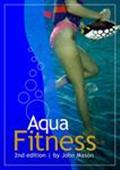
Aqua Fitness
Aqua fitness is low impact exercise in water. It is great for rehabilitation after injury, weight loss, and general fitness. This e-book is full of well illustrated exercises to try and has been written for both exercise professionals and amateurs. It is the revised edition of a book by John Mason, originally published by Kangaroo Press (Simon & Schuster).
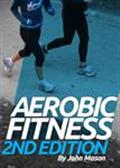
Aerobic Fitness
Understand cardio respiratory fitness. Keep your heart, lungs and circulatory system healthy.
Aerobic fitness can contribute more to your quality of life than any other aspect of fitness! This updated version of a book originally published by Kangaroo Press (Simon and Schuster)
It is an informative read, and also contains detailed illustrations of which exercises to use for individual muscle groups.
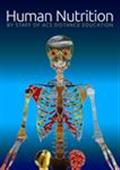
Human Nutrition
Both a text for students, or an informative read for anyone who wants to eat better. While covering the basics, the book approaches nutrition a little differently here to some other books, with sections covering ”Modifying diet according to Genetic Disposition or Lifestyle”, “How to find Reliable Information on Nutrition” and “Understanding how Diet relates to Different Parts of the Body” (including Urinary, Digestive, Respiratory and Circulatory System, the Brain, etc). This ebook was written to complement the ACS Nutrition I course, and provides a solid foundation for anyone wanting to grasp a fundamental understanding of Human Nutrition.
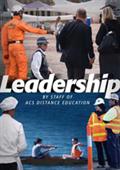
Leadership
What makes a good leader? Is it an innate personality trait or a skill that can be acquired? This book is an excellent guide to the theories and practice of leadership. It is full of interesting facts about social dynamics and examples of leadership styles. For those who are curious or in need of some leadership skills, this book will provide both entertainment and advice.
(aud)$907.50