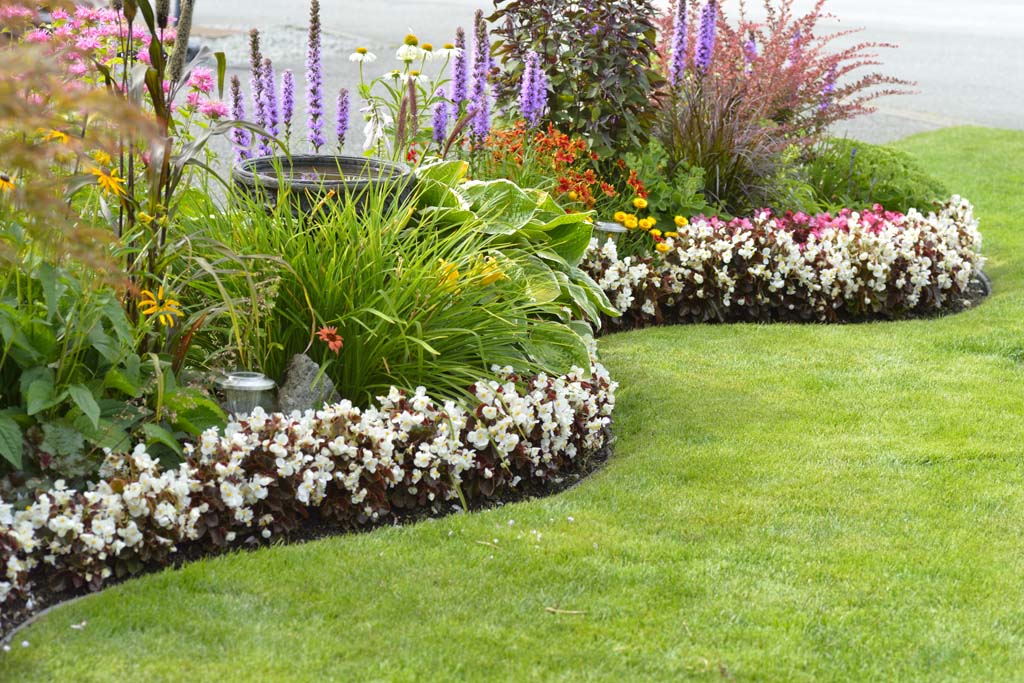
Certificate In Horticulture (Landscaping & Garden Design)
Study horticulture, garden design and landscaping in one course. It focuses on horticulture and garden construction but also includes design and plan drawing but less so than the certificate in garden design.
HOW TO BE A LANDSCAPE CONTRACTOR OR GARDENER
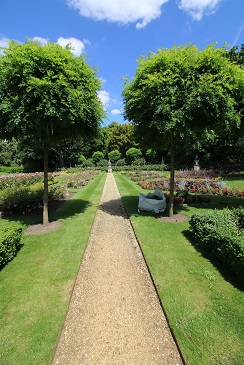 Become a professional landscaper - learn how plants grow, how to identify them and how to care for them.
FOLLOW A STRAIGHT PATH TO PROFESSIONAL LANDSCAPING
COURSE CONTENT
This certificate entails the following:
- Core studies - half of the course, involving approximately 300hrs over 15 lessons
- Elective studies - half of the course, involving stream studies specific to landscaping
Core Lessons
- Introduction to Plants
- Parts of the Plant
- Plant Culture - Planting
- Plant Culture - Pruning
- Plant Culture - Irrigation and Machinery
- Soils & Media
- Soils & Nutrition
- Propagation - Seeds & Cuttings
- Propagation - Other Techniques
- Identification and Use of Plants
- Identification and Use of Plants
- Identification and Use of Plants
- Pests
- Diseases
- Weeds
Stream Lessons
- History of Landscaping
- Principles of Design and Planning Information
- Drawing and Costs
- Irrigation
- Garden Designs
- Earth moving and Drainage
- Materials
- Paths, Walls and Fences
- Equipment
- Water Features
- Garden Art: Statues, Sundials and Figurines
- Landscaping for Sports and Games
- Landscape Management
- Industrial Relations: Unions and Workers
- Maintenance of a New Landscape
Lesson Structure
There are 30 lessons in this course:
-
Introduction to Plants
- Nomenclature and taxonomy
- The plant kingdom
- Genus, species, hybrids
-
Parts of the Plant
- How plants grow
- Plant structure
- Parts of the flower and leaf
- Modification of stems and roots
-
Plant Culture - Planting
- How to plant and protect newly planted specimens, annuals, biennials, perennials, deciduous, evergreen and herbaceous plants
-
Plant Culture - Pruning
- Purpose for pruning
- Rules for pruning
- How to prune
-
Plant Culture - Irrigation and Machinery
- Different irrigation systems
- Components of an irrigation system
- Designing an irrigation system
- Maintenance in the garden and for tools
-
Soils & Media
- Soil classifications
- Soil testing
- Potting mixes
- The U.C. system
- Ingredients of potting mixes
-
Soils & Nutrition
- Fertilizers
- Deficiencies and toxicities
- N:P:K ratios
- Salting
- Fertilizer programming
- Compost
-
Propagation - Seeds & Cuttings
- How to propagate plants with the two easiest techniques: seeds and cuttings
- Propagating mixes
- Cold frame construction
- After care for young plants
-
Propagation - Other Techniques
- Other methods to increase plant numbers
- Budding and grafting
- Layering, division and tissue culture
-
Identification and Use of Plants
- How are plants used in the landscape
- How to choose and purchase plants
- Selecting plants suitable for the climate and site
-
Identification and Use of Plants
- Problems with plants
- Choosing plants for problem sites
-
Identification and Use of Plants
- Indoor and tropical plants, flowers, herbs, bulbs, ferns
-
Pests
- Identifying and controlling pests
- Chemical and natural methods for pest control
- Chemical safety precautions
-
Diseases
- Identifying and controlling diseases
- Plant pathology
- Fungi, viruses, non pathogenic problems
- Interactions with the host and the environment
-
Weeds
- Identifying weeds
- Controlling weeds
- Chemical terminology
-
History of Landscaping
- Garden styles
- Types of gardens
- History of gardens
-
Principles of Design and Planning Information
- Principles of design
- Pre planning information
- Using colour
- Natural garden design
- Eclectic gardens
- Minimalist gardens
- Plant application
- Aesthetic criteria for design
- Procedure for planting design
- Entries
- Birds in the garden
-
Drawing and Costs
- Cost effective design
- Garden style versus costs
- Construction decisions
- Planting decisions
- Maintenance decisions
- Garden investment
- Determining costs
- Drawing techniques
- Computer aided design
-
Irrigation
- Sprinkler systems
- Micro irrigation
- Planning an irrigation system
- How to use a watering system
- Automatic watering systems
-
Garden Designs
- Park design
- Home garden design
- Cottage garden design
- Trail design
- Types of trails (fitness, sensory, cryptic, environmental)
- Recreational landsacaping
- Playground design
- Barriers and walls
- Gradients and dimensions
-
Earthmoving and Drainage
- Levelling & basic surveying
- Earthmoving equipment
- Earth forming
- Creating mounds
- Raised beds
- Importing or improving soil
- Soil shaping
- Soil degradation
- Soil rehabilitation
- Earthworks calculations
-
Materials
- Using, choosing & preserving timber
- Recycled timber
- Rock work
- Concrete
- Coloured pebbles and gravel
-
Paths, Walls and Fences
- Paths: guidelines, gradients, surfaces
- Walls & sleeper walls
- Types of fences
- Building a wood fence
- Garden structures
- Play Structures
- Skate facilities, motor vehicle parks
- Pavers, stone and gravels
- Contracts and specifications
-
Equipment
- Manual tools and equipment
- Power tools for landscaping
-
Water Features
- Planning a water garden
- Types of water gardens
- Water quality, depth, area, safety etc.
- Water effects
- Finishing touches to a water garden
- Fountains
-
Garden Art: Statues, Sundials and Figurines
- Garden rooms: How to design a garden room, what to put in a garden room
- Positioning garden art
- Painting in the garden
- Pots
- Sculpture and statues
- Outdoor furniture
-
Landscaping for Sports and Games
- Fun and fitness trails
- Outdoor multi purpose courts
- Skateboarding
- Types of playgrounds
- Park design criteria
-
Landscape Management
- Role of a manager
- Management processes
- Law and business
- Communication skill
- Marketing
- Industry awareness
- Landscape management
-
Industrial Relations: Unions and Workers
- Work scheduling
- Unions
- Workplace health and safety
-
Maintenance of a New Landscape
- Protecting young plants
- Replanting
- Pruning
- Weed control
- Maintaining turf
Accreditations
More About the Stream (Elective) Studies:
LANDSCAPE AND GARDEN DESIGN
The aim of the stream studies is to develop skills and knowledge in landscape design, construction, features and landscape business management.
The student will engage in the following activities as part of the stream studies:
- Review the historical evolution of gardens
- Obtain pre-planning information and use of that information to draw plans
- Identify different principles and styles of landscape designs
- Analyze garden designs
- Develop graphic skills, and a knowledge of drawing materials and techniques
- Prepare cost estimates for a landscape job
- Describe surfacing materials and their effects
- Explain the quality and cost of different landscape materials
- Develop a knowledge of plants, both native and exotic, suitable for local conditions
- Select plants for difficult sites and conditions
- Describe advantages and disadvantages of various pipes, sprinklers and pumping equipment
- Recommend irrigation systems for different landscape situations
- Design a simple irrigation system
- Design a bush garden and the value and relevance of using native plants
- Analyse and report on a cottage garden design
- Analyse and report on a playground design
- Prepare a playground design for a school or public park
- Draw layout plans for a range of gardens
- Conduct a detailed survey of a site, prepare a detailed plan based on that survey, estimate costs and develop contract documentation for that project
- Explain earthworks and soil preparation techniques used in landscaping
- Describe alternative techniques for establishing and growing plants
- Explain a range of landscape construction techniques including building fences, walls, rockeries, paths, water gardens, paving and drainage
- Compare different landscape materials with respect to their quality, cost, availability and application in garden construction
- Describe the correct procedures for the proper and safe removal of a limb from a tree, and for the felling of trees
- Develop a detailed maintenance program for a garden
- Demonstrate the ability to prepare for, and plant a new lawn
- Explain how to establish turf on a steep slope
- Write and advertisement for a landscaping business
- Explain basic management procedures
- Show a reasonable level of communication skill
- Explain health and safety requirements on a landscape site
WHERE THIS COURSE MIGHT LEAD YOU
Graduates from this course will know how to create gardens.
- They will be able to identify a lot of different plants and make logical choices about what to plant where.
- They'll also understand the design process and be able to draw a plan.
This course is different to our certificate in garden design though in that it also teaches you more general horticulture skills including how to propagate and produce plants before the landscaping; and how to care for them after the landscaping is over. In this respect it is more holistic training than a pure landscaping course.
You need to build a foundation first, to understand design, the science that underpins horticulture, and to be able to identify and know the cultural peculiarities of lots of different plants.
To be a successful landscape professional you may need a fit body. You definitely need organizational ability, imagination, passion, persistence and a willingness to do whatever it takes to succeed.
If this describes you - we can help you to get a start.
Enrol using the automated procedure on this site or contact us via phone or email to ask questions and enrol with a real person.
You can enrol at anytime and start the course when you are ready. Enrolments are accepted all year - students can commence study at any time. All study is self paced and ACS does not set assignment deadlines.
Please note that if a student is being assisted by someone else (e.g. an employer or government subsidy), the body offering the assistance may set deadlines. Students in such situations are advised to check with their sponsor prior to enrolling. The nominal duration of a course is approximately how long a course takes to complete. A course with a nominal duration of 100 hours is expected to take roughly 100 hours of study time to complete. However, this will vary from student to student. Short courses (eg. 100 hrs duration) should be completed within 12 months of enrolment. Certificates, Advanced Certificates and Awards (eg. over 500 hours duration) would normally be completed within 3 -5 years of enrolment. Additional fees may apply if a student requires an extended period to complete.
If a student cannot submit their assignments for 6 months to ACS, they should advise the school to avoid cancellation of their student
registration. Recommencement fees may apply.
Simply click on the ENROL OPTIONS button at the top of this screen and follow the prompts.
You can see the course price at the top of this page. Click 'enrolment options' to see any payment options available.
You can pay by Credit Card, PayPal, Afterpay or bank transfer.
Yes! We have payment plans for most courses. Click 'enrolment options' to see the available payment plans.
We also have Afterpay that will allow you to pay for your course or payment plans in four instalments (if you are in Australia).
There are no entry requirements that you need to meet to enrol in our courses, our courses are for everyone.
If you are under 18, we need written permission from your parent/ guardian for your enrolment to continue, we can arrange that after you have enrolled.
You don’t need to purchase any additional resources to complete our courses.
What do I need to know before I enrol?
We aim to teach you the essentials without you having to purchase any specific computer program.
We recommend that you have access to a word processing program, such as Microsoft Word or Google Docs, so that you can easily complete and submit your assignments.
You sure can. We are here to help you learn whatever your abilities.
Yes, if you are enrolling in a Certificate or Advanced Certificate, you might be eligible for credits if you have evidence of your previous studies or relevant experience. More information is here.
We recommend that you are able to browse websites, send emails and conduct online research. You will need to be able to type and submit your assignments.
If you have limited computer skills, we can make special arrangements for you.
This is possible, it depends on the institution. We recommend that if you would like to use our courses that you contact the institution first. Our Course Handbook is a good resource for this.
Our courses are written in English and we only have English speaking academic staff. If you can read and complete your assignments in English, our courses are ideal for you.
Our courses are designed to build knowledge, hands on skills and industry connections to help prepare you to work in the area, running your own business, professional development or as a base for further study.
This course is aimed at providing you with a solid understanding of the subject. It has been designed to take 600 hours, which includes your course reading, assignment work, research, practical tasks, watching videos and more. When you complete the course, will have a good understanding of the area/ industry you want to work in.
It’s up to you. The study hours listed in the course are a rough guide, however if you were to study a short course (100 hours) at 10 hours per week, you could finish the course in 10 weeks (just an example). Our courses are self-paced, so you can work through the courses in your own time. We recommend that you wait for your tutor to mark and return your assignment before your start your next one, so you get the benefits of their feedback.
The course consists of course notes, videos, set tasks for your practical work, online quizzes, an assignment for each lesson (that you receive feedback from your tutor from) and ends in an exam (which is optional, if would like to receive the formal award at the end), using our custom built Learning Management System - Login.Training.
Our courses are designed for adults to gain professional development and skills to further their careers and start businesses.
Our custom online learning portal allows you to conduct your learning online. There may be practical tasks that you can do offline. You have the option of downloading your course notes or print them to read later.
There is also the option to pay an additional fee for printed course notes and or USB (availability limited to location and deliverability).
Yes, if you don’t have access to the internet, you can receive the course as paper notes or on a USB stick for an additional fee. We can also make alternative arrangements for you to send your assignments to us.
We offer printed notes for an additional fee. Also, you can request your course notes on a USB stick for an additional fee.
Yes, your tutor is here to help you. Simply post any questions you have in your login.training portal or contact the office and we can pass on a message to your tutor.
We are more learning focussed, rather than assessment focussed. You have online quizzes to test your learning, written assignments and can complete an exam at the end of the course (if you want to receive your certificate). You will not receive a pass/ fail on your course work. If you need to add more details on your assignment, we will ask you to resubmit and direct you where you need to focus. If you need help, you can ask your tutor for advice in the student room.
Each module (short course) is completed with one exam.
Exams are optional, however you must sit an exam if you would like to receive a formal award. You will need to find someone who can supervise that you are sitting the exams under exams conditions. There is an additional cost of $60 incl. GST for each exam.
More information is here
There are practical components built into the course that have been designed to be achieved by anyone, anywhere. If you are unable to complete a task for any reason, you can ask your tutor for an alternative.
When you complete the course work and the exams (8-9 exams) and you will be able receive your course certificate- an Advanced Certificate. Otherwise, you can receive a Letter of Completion.
You can bundle the short courses to create your own customised learning bundle, Certificates or Advanced Certificates. More information is on this page.
Yes, our courses are built to be applicable for people living anywhere in any situation. We provide the fundamentals, and each student can apply their own unique flair for their own interests, region and circumstances with the one-on-one guidance of a tutor. There is also a bit of student directed research involved.
Employers value candidates with industry skills, knowledge, practical skills and formal learning. Our courses arm you with all of these things to help prepare you for a job or start your own business. The longer you study the more you will learn.
ACS has an arrangement with OAMPS (formerly AMP) who can arrange Professional Indemnity from Australian and New Zealand graduates across all disciplines. Ph: 1800 222 012 or email acs@oamps.com.au.
Who are ACS Distance Education?
ACS Distance Education have been educating people for over 40 years.
We are established and safe- we have been in education for over 40 years.
We are focused on developing innovative courses that are relevant to you now and what you will need to know in the future.
We are focused on helping you learn and make the most of your experience.
You can enrol at any time, you can work on your course when it suits you and at your own pace.
We are connected to many industry bodies and our staff participate in continuous improvement and learning activities to ensure that we are ahead of what learning is needed for the future.
Our courses are not accredited by the Australian Government. However many of our courses are recognised and held in high regard by many industry bodies.
Our courses are written by our staff, who all have many years experience and have qualifications in their speciality area. We have lots of academic staff who write and update our courses regularly.
How do I enrol my staff/ sponsored students?
Yes, you can do a request for a bulk enrolment and request an invoice on our Invoice Request Form
We can prepare an invoice, quote or proforma invoice. Simply complete your details on our Invoice Request form
We can arrange bulk discounts for your course enrolment, please get in touch with us to discuss your needs.
Yes, we have many students who are in locked facilities, such as prisons or hospitals. We can cater by also offering paper notes at an additional cost.
What if I have any more questions or need more information?
We can assist you to find the right course for your needs. Get in touch with us via email (admin@acs.edu.au) call on +61 7 5562 1088 or complete our course advice form.
What if I change my mind?
Please get in touch with studentservices@acs.edu.au if you would like to be removed from our mail list.
If you would like ACS Distance Education to delete your information at any time (whether you are a customer or a prospective customer), please contact our privacy officer and we will process this ( admin@acs.edu.au ).
If students require a reproduction of their certificate, an electronic copy can be provided at a cost of AUD$35 incl GST. Printed copies are not available.

Garden Design Part 1
This stunning full colour Garden Design ebook is full of useful tips, information and inspiration. It contains around 300 colour illustrations! It is comprised of three parts: Design, How a Garden Functions and Aesthetics (making it look good).

Garden Design Part 2
Part 2 of the Garden Design Series is an inspiring accompaniment to the first book, but works equally well in its own right. It's brimming with ideas and practical advice for designing a wide variety of different gardens. You will learn about different styles of gardens and how to create a style to suit a site or client. It contains around 300 colour photos! Written by John Mason over several decades of visiting and photographing gardens, writing, teaching and creating gardens.
Starting a Garden or Landscape Business
Expert advice on how to get started in your own garden or landscape business! Packed with valuable business advice, horticultural and landscaping knowledge, and practical ideas - this book is a must have for garden lovers. It is great for anyone thinking about (or already involved in), a horticultural, landscaping or garden business. This updated re-print is only available as an ebook.

Landscaping with Australian Plants
Explore the world of Australian plants and the exciting ways in which they can bring a new depth to a landscape or garden design.
Ideal for students, landscape gardeners and gardening enthusiasts alike, this ebook is full of glorious colour pictures of Australian native plants.