Aged Care and Counselling
Learn about age-related changes and how to assist elderly people to manage those changes. This self-paced Aged Care and Counselling distance education course covers physical, psychological, and emotional shifts associated with ageing.
LEARN AGED CARE AND COUNSELLING SKILLS
 As a person gets older things change in their life - everything from lifestyle to health and their capacity to do things, through to those activities which they choose to pursue. Ageing is the gradual biological impairment of usual functioning. These changes have a direct impact on the functional ability of organs such as the heart, kidney and lungs as well as biological systems such as the reproductive and digestive systems. With age, our sense of hearing and vision wanes, our memories are often not as good as they once were, and our response times may become slower. All of these changes affect the person as a whole.
What is considered to be 'old' has also changed over recent years. Due to medical advances, improved hygiene and sanitation, people tend to live longer. In developed countries the average life expectancy has risen from somewhere around 50 years of age to more than 80 years of age since the 1880s. Our life expectancy is dependent on the country we live in, our health, access to services, and so on. For example, in countries with high infant mortality rates, the life expectancy will be lower than in countries where the infant mortality rate is lower. As more countries become developed they are able to increase the average life expectancy of their residents but of course this leads to an ever increasing number of older people who at some stage often require aged care services.
Although many aspects of counselling are directly applicable to all age groups, working with the elderly also requires a different set of skills and knowledge to ensure that elderly clients receive appropriate support. Younger people often struggle to envisage what it might be like to be elderly, but if they are able to gain insight into the ageing process they are much better at empathising with their needs.
"This course considers the different issues that are faced by older people, such as - retirement, lifestyle changes, bereavement, chronic illness, terminal illness and death - and how to provide these individuals with appropriate support." Tracey Jones, B.Sc (hons) (Psychology), M.Soc.Sc (social work), DipSW (social work), PGCE (Education), PGD (Learning Disability Studies), ACS Tutor.
 What our students taking this course are saying:
"[Work marked] promptly and with comments that show detailed reading of my work. I have been impressed by the quick turn-around time and the feedback Having the course structured into 9 lessons has been helpful for me in approaching the course and fitting it into a busy schedule. I have been learning a great deal and receiving constructive feedback." Deana Efraemson, Australia
"Yes it was [a valuable learning experience]. I have been a nurse for over 25 years and my knowledge regarding ageing and in particular, healthy ageing was practically non-existent. I enjoyed some aspects of the counselling." Sue Payne, Australia
If you think you would like to learn how to counsel the elderly or those suffering from dementia and other age-related diseases, this may be the course for you. You can study this course at home in your own time. We have options for traditional correspondence or online learning. You don't have to be working in the caring professions to study this course - you may have an elderly parent, relative, neighbour or friend you want to be able to help.
Enrol in this course to discover ways in which a counsellor, carer or anyone else might interact with and support an older person, or to expand your knowledge and skills for professional development.
Aims
- To discuss theories of ageing, and to develop an understanding of the different stages of human development.
- To describe the psychological impact of changes which occur as a person reaches old age.
- To understand the effect of physical health problems on older people.
- Describe the nature and scope of support services, including counseling, for the elderly.
- Describe a range of solutions that can enable an elderly person to adapt to changed circumstances in order to continue performing tasks or pursuing interests that are becoming increasingly difficult for them.
- Explain how a variety of counseling techniques can be applied to specific Grief and loss situations for counseling elderly persons.
- Develop a strategy for counseling an elderly person who has been diagnosed with a debilitating or terminal illness.
- Develop a strategy for counselling an elderly person who has lost a loved one.
- Determine when and how to intervene in the life of an elderly person.
Lesson Structure
There are 9 lessons in this course:
-
Understanding Ageing
- Gerontology, What do we mean by Ageing? Population Ageing, The Effects of the Ageing Population, Theories of Human Development, Erikson’s Theory of Development, Levinson Theories of Retirement, Disengagement Theory, Activity Theory, Atchley’s Model of Retirement
-
Lifestyle Changes
- Relationships, Relationships with Children, Relationships with Partners (Husband/wife), Relationships with Grandchildren, Friendships, Sexuality and Older People, Cognitive Changes, Intelligence, Depression, Determining Type of Depression, Unipolar Disorder, Bipolar Disorder, Causes of Depression, Risk factors for Depression, Men and Depression, Depression in Older People, Symptoms
-
Deterioration of Health
- Physical Changes Skin, Hair, Height, Senses, Reflexes, Sex, Eyes,Chronic Health Problems, Osteoarthritis, Rheumatoid Arthritis, Gout, etc. Exercise, Diet, Nutrition, Eating habits, etc. Pain relief, Medication, Stress.
-
Support Services
- Preventative Services, Occupational Therapists, Physiotherapists, Complimentary Practitioners, Counselling Professionals, Other Support Services (eg. Meals on Wheels, Funeral Services)
-
Enablement Techniques
- Common Risks for Elderly: Risk of Falling, Vision, Hearing, Nutrition, Sexuality. Techniques to maintain Quality of Life: Driving a car, banking, shopping, house cleaning, Gardening, Socialising, Pets, Exercise, Sport
-
Grief and Loss Counselling
- What is grief, Psychological aspects of Long Term Grief: Family, Work, Financial, Loneliness, Morality after bereavement, Counselors Response and Intervention, Practical Intervention, Depression
-
Debilitating and Terminal Illness
- Dementia, Kinds of Dementia (Alzheimer's, Vascular Dementia); Strategies for Counselling the Demented Client; Communication, Daily Activities, Sleeping Difficulties, Hallucinations and Delusions, Wandering, Depression, Terminal Illness: Patients Response, Anxiety, Depression, Guilt & Anger, Defense Mechanisms. Preparing for Approaching Death; Practical Preparations, Emotional Responses, Responses of Friends and Family
-
Losing a Loved One
- Importance of Loss, Assessment, Role of the Deceased, Death of a Child, Stigmatised Death, Co-Morbidity. Counseling Strategies: Bibliotherapy, Use of Rituals, Bereavement Support Groups. Special Therapeutic Situations: Traumatic, Sudden, and Stigmatised Loss, Ongoing Support, Social Stigmas of Suicide
-
Ethics and Intervention
- Barriers to Aged Care Counseling, Addressing the Client’s Needs, Common Legal and Ethical Issues In Aged Care: Decision Making Capacity, Competence, Informed Consent, Confidentiality, Euthanasia, etc
Accreditations
Dementia
Dementia is a condition in which a person progressively loses mental ability, including the ability to remember, think and reason. It can affect memory, decision-making, problem-solving, learning, and the ability to care for oneself. Eventually, when the dementia has reached a severe stage, the person is no longer able to perform the tasks of daily living.
Dementia is not a disease in itself. It is a group of symptoms caused by a number of diseases or conditions that affect the brain. Some of these causes are 'reversible' and can be treated, for example brain tumours, depression and alcohol dependence. Other causes are 'irreversible' and cannot be cured.
Dementia, a progressive brain dysfunction, leads to a gradually increasing restriction of daily activities. It is what is called senility by the layperson, the deterioration of intellectual functioning until social and occupational functions are impaired. The most well-known type of dementia is Alzheimer's disease.
The prevalence of dementia increases with age. It is estimated that around 1% of people aged 65 – 74 have dementia, 4% of those aged 75 to 84, and 10% of those over 84. These figures may be underestimates, as some people will die from some causes of dementia. Dementia is caused by many conditions that affect the brain. Some causes of dementia can be reversed, and others cannot. The major signs are memory loss, confusion, disorientation and lessening of intellectual functioning. Dementia can come on slowly over a period of years, subtle changes can occur, such as difficulty remembering things, especially recent events is a prominent symptom of dementia.
- Starting to run the tap then leaving the room.
- Being unable to remember the name of their son or daughter.
They may also develop poor hygiene, forget to bath or dress adequately. Their judgement may become faulty and may have difficulties making plans or decisions. They may also lose control of their impulses, for example, tell coarse, inappropriate jokes, make sexual advances to strangers, shoplift etc. Other times, they may have symptoms of depression, such as flatness of affect, emotional outbursts. Around 50% of patients may experience hallucinations and delusions. Some people with dementia may have disturbances with language, such as vague patterns of speech. They may have difficulties recognising familiar surroundings. Episodes of delirium may also occur.
The course of dementia can be progressive, static or remitting, depending on the cause of the dementia. People with progressive dementia will eventually become withdrawn and apathetic. In the terminal phase of the dementia, their personality loses its sparkle and integrity.
Relatives and friends may say that the person is not themselves any more. Social involvement with others will become more and more narrow. Finally, they will be oblivious to their surroundings.
Treatable conditions that can cause dementia include a high fever, dehydration, vitamin deficiency and poor nutrition, bad reactions to medicines, problems with the thyroid gland, or a minor head injury or tumour. Medical conditions like these can be serious and should be treated by a doctor as soon as possible.
Alzheimer's disease is the most common form of dementia. Among other causes are medical conditions (thyroid disease, drug toxicity, thiamine deficiency with alcoholism, and others), brain injury, strokes, multiple sclerosis, infection of the brain (such as meningitis and syphilis), HIV infection, hydrocephalus, Pick's disease, and brain tumours.
There are four main types of dementia:
- Alzheimer’s Disease – the most common.
- Frontal-temporal Dementia – this describes the area of the brain that is most affected.
- Frontal-subcortical Dementia – again describes the area of the brain most affected.
- Vascular Dementias – caused by stroke.
Conditions or diseases that cause irreversible dementia, especially in older people, include Alzheimer's disease (AD), dementia with Lewy bodies, and multi-infarct dementia (MID), also called vascular dementia.
What is Ageing?
Ageing is the process of growing old. It is a gradual biological impairment of usual functioning. These changes have a direct impact on the ability of organs, such as the heart, kidney and lungs and biological systems such as the reproductive and digestive systems, which affect the organism as a whole.
On average, in the UK, men will live to be 77.2 and women 81.5. This will have an obvious effect on society. As people are living longer, this will mean that there will be more people who have retired and are no longer working. This has an obvious impact on the economy. There are medical advances, but as people age, their bodies and minds are affected by the ageing process.
In economic terms, an ageing population can lead to changes in expenditure in some areas, such as:
- Health care: this will increase as the population ages. This could result in higher taxes to pay for the increased costs of health care.
- Education: expenses will fall as there will be fewer young people. Pensions: the state pensions will be affected by the increased longevity of the population.
Ageing also inevitably leads to physical decline. Many of the physical changes involved are not the result of illness or a direct consequence of the ageing process, but can be due to:
However, they will experience a number of physical changes which can be attributed to the ageing process:
Ageing is therefore the result of damage to the cells in our bodies. However, the speed at which a person ages will be affected by: their outlook on life, as well as their personal experiences and circumstances. Hence, it will vary from person to person. However, ageing is not necessarily a negative experience. As a person loses in some areas, they may gain in others. For example, they may lose some energy, but they may learn the ability to conserve energy. They may learn patience, understanding, wisdom and how to make the best use of their life experiences, all of which may improve their lives regardless of any physical changes.
- This course helps you understand ageing and the aged; and provides a foundation for working with the elderly; as a counsellor, carer or in any other area of support.
What This Course Can Do For You
The study of aged care is of great value to society. Not only is the world population expanding but the proportion of the population which is classed as elderly is increasing, particularly in developed countries. As people age, they face particular challenges and there are not enough qualified people to meet their needs. This course equips students with knowledge and understanding of the ageing process and in so doing encourages them to devise strategies to help the elderly with many different age-related changes.
This course may be studied by itself or as part of a certificate or higher level qualification. The course is aimed at those working in, or hoping to work in:
- Aged care
- Counselling the elderly
- Counselling
- Psychology
- Caring roles
- Health professions
What our students taking this course are saying:
"[Work marked] promptly and with comments that show detailed reading of my work. I have been impressed by the quick turn-around time and the feedback Having the course structured into 9 lessons has been helpful for me in approaching the course and fitting it into a busy schedule. I have been learning a great deal and receiving constructive feedback." Deana Efraemson, Australia
"Yes it was [a valuable learning experience]. I have been a nurse for over 25 years and my knowledge regarding ageing and in particular, healthy ageing was practically non-existent. I enjoyed some aspects of the counselling." Sue Payne, Australia
The ideal course for you?
If you think you would like to learn how to counsel the elderly or those suffering from dementia and other age-related diseases, this may be the course for you.
- You can study this course at home in your own time.
- We have options for traditional correspondence or online learning.
- You don't have to be working in the caring professions to study this course - you may have an elderly parent, relative, neighbour or friend you want to be able to help.
Enrol in this course to discover ways in which a counsellor, carer or anyone else might interact with and support an older person, or to expand your knowledge and skills for professional development.
Enrol using the automated procedure on this site or contact us via phone or email to ask questions and enrol with a real person.
You can enrol at anytime and start the course when you are ready. Enrolments are accepted all year - students can commence study at any time. All study is self paced and ACS does not set assignment deadlines.
Please note that if a student is being assisted by someone else (e.g. an employer or government subsidy), the body offering the assistance may set deadlines. Students in such situations are advised to check with their sponsor prior to enrolling. The nominal duration of a course is approximately how long a course takes to complete. A course with a nominal duration of 100 hours is expected to take roughly 100 hours of study time to complete. However, this will vary from student to student. Short courses (eg. 100 hrs duration) should be completed within 12 months of enrolment. Certificates, Advanced Certificates and Awards (eg. over 500 hours duration) would normally be completed within 3 -5 years of enrolment. Additional fees may apply if a student requires an extended period to complete.
If a student cannot submit their assignments for 6 months to ACS, they should advise the school to avoid cancellation of their student
registration. Recommencement fees may apply.
Simply click on the ENROL OPTIONS button at the top of this screen and follow the prompts.
You can see the course price at the top of this page. Click 'enrolment options' to see any payment options available.
You can pay by Credit Card, PayPal, Afterpay or bank transfer.
Yes! We have payment plans for most courses. Click 'enrolment options' to see the available payment plans.
We also have Afterpay that will allow you to pay for your course or payment plans in four instalments (if you are in Australia).
There are no entry requirements that you need to meet to enrol in our courses, our courses are for everyone.
If you are under 18, we need written permission from your parent/ guardian for your enrolment to continue, we can arrange that after you have enrolled.
You don’t need to purchase any additional resources to complete our courses.
What do I need to know before I enrol?
We aim to teach you the essentials without you having to purchase any specific computer program.
We recommend that you have access to a word processing program, such as Microsoft Word or Google Docs, so that you can easily complete and submit your assignments.
You sure can. We are here to help you learn whatever your abilities.
Yes, if you are enrolling in a Certificate or Advanced Certificate, you might be eligible for credits if you have evidence of your previous studies or relevant experience. More information is here.
We recommend that you are able to browse websites, send emails and conduct online research. You will need to be able to type and submit your assignments.
If you have limited computer skills, we can make special arrangements for you.
This is possible, it depends on the institution. We recommend that if you would like to use our courses that you contact the institution first. Our Course Handbook is a good resource for this.
Our courses are written in English and we only have English speaking academic staff. If you can read and complete your assignments in English, our courses are ideal for you.
Our courses are designed to build knowledge, hands on skills and industry connections to help prepare you to work in the area, running your own business, professional development or as a base for further study.
This course has been designed to cover the fundamentals of the topic. It will take around 100 hours to complete, which includes your course reading, assignment work, research, practical tasks, watching videos and anything else that is contained in the course. Our short courses are a great way to do some professional development or to learn a new skill.
It’s up to you. The study hours listed in the course are a rough guide, however if you were to study a short course (100 hours) at 10 hours per week, you could finish the course in 10 weeks (just an example). Our courses are self-paced, so you can work through the courses in your own time. We recommend that you wait for your tutor to mark and return your assignment before your start your next one, so you get the benefits of their feedback.
The course consists of course notes, videos, set tasks for your practical work, online quizzes, an assignment for each lesson (that you receive feedback from your tutor from) and ends in an exam (which is optional, if would like to receive the formal award at the end), using our custom built Learning Management System - Login.Training.
Our courses are designed for adults to gain professional development and skills to further their careers and start businesses.
Our custom online learning portal allows you to conduct your learning online. There may be practical tasks that you can do offline. You have the option of downloading your course notes or print them to read later.
There is also the option to pay an additional fee for printed course notes and or USB (availability limited to location and deliverability).
Yes, if you don’t have access to the internet, you can receive the course as paper notes or on a USB stick for an additional fee. We can also make alternative arrangements for you to send your assignments to us.
We offer printed notes for an additional fee. Also, you can request your course notes on a USB stick for an additional fee.
Yes, your tutor is here to help you. Simply post any questions you have in your login.training portal or contact the office and we can pass on a message to your tutor.
We are more learning focussed, rather than assessment focussed. You have online quizzes to test your learning, written assignments and can complete an exam at the end of the course (if you want to receive your certificate). You will not receive a pass/ fail on your course work. If you need to add more details on your assignment, we will ask you to resubmit and direct you where you need to focus. If you need help, you can ask your tutor for advice in the student room.
Each module (short course) is completed with one exam.
Exams are optional, however you must sit an exam if you would like to receive a formal award. You will need to find someone who can supervise that you are sitting the exams under exams conditions. There is an additional cost of $60 incl. GST for each exam.
More information is here
There are practical components built into the course that have been designed to be achieved by anyone, anywhere. If you are unable to complete a task for any reason, you can ask your tutor for an alternative.
When you complete the course work and the exam and you will be able receive your course certificate- a Statement of Attainment. Otherwise, you can receive a Letter of Completion.
You can bundle the short courses to create your own customised learning bundle, Certificates or Advanced Certificates. More information is on this page.
Yes, our courses are built to be applicable for people living anywhere in any situation. We provide the fundamentals, and each student can apply their own unique flair for their own interests, region and circumstances with the one-on-one guidance of a tutor. There is also a bit of student directed research involved.
Employers value candidates with industry skills, knowledge, practical skills and formal learning. Our courses arm you with all of these things to help prepare you for a job or start your own business. The longer you study the more you will learn.
ACS has an arrangement with OAMPS (formerly AMP) who can arrange Professional Indemnity from Australian and New Zealand graduates across all disciplines. Ph: 1800 222 012 or email acs@oamps.com.au.
Who are ACS Distance Education?
ACS Distance Education have been educating people for over 40 years.
We are established and safe- we have been in education for over 40 years.
We are focused on developing innovative courses that are relevant to you now and what you will need to know in the future.
We are focused on helping you learn and make the most of your experience.
You can enrol at any time, you can work on your course when it suits you and at your own pace.
We are connected to many industry bodies and our staff participate in continuous improvement and learning activities to ensure that we are ahead of what learning is needed for the future.
Our courses are not accredited by the Australian Government. However many of our courses are recognised and held in high regard by many industry bodies.
Our courses are written by our staff, who all have many years experience and have qualifications in their speciality area. We have lots of academic staff who write and update our courses regularly.
How do I enrol my staff/ sponsored students?
Yes, you can do a request for a bulk enrolment and request an invoice on our Invoice Request Form
We can prepare an invoice, quote or proforma invoice. Simply complete your details on our Invoice Request form
We can arrange bulk discounts for your course enrolment, please get in touch with us to discuss your needs.
Yes, we have many students who are in locked facilities, such as prisons or hospitals. We can cater by also offering paper notes at an additional cost.
What if I have any more questions or need more information?
We can assist you to find the right course for your needs. Get in touch with us via email (admin@acs.edu.au) call on +61 7 5562 1088 or complete our course advice form.
What if I change my mind?
Please get in touch with studentservices@acs.edu.au if you would like to be removed from our mail list.
If you would like ACS Distance Education to delete your information at any time (whether you are a customer or a prospective customer), please contact our privacy officer and we will process this ( admin@acs.edu.au ).
If students require a reproduction of their certificate, an electronic copy can be provided at a cost of AUD$35 incl GST. Printed copies are not available.
Course Contributors
The following academics were involved in the development and/or updating of this course.
Lyn Quirk
M.Prof.Ed.; Adv.Dip.Compl.Med (Naturopathy); Adv.Dip.Sports Therapy
Over 30 years as Health Club Manager, Fitness Professional, Teacher, Coach and Business manager in health, fitness and leisure industries. As business owner and former department head for TAFE, she brings a wealth of skills and experience to her role as a tutor for ACS.
Christine Todd
University lecturer, businesswoman, photographer, consultant and sustainability expert; with over 40 years industry experience
B.A., M.Plan.Prac., M.A.(Social).
An expert in planning, with years of practical experience in permaculture.
Jacinda Cole (Psychologist)
Psychologist, Educator, Author, Psychotherapist.
B.Sc., Psych.Cert., M. Psych. Cert.Garden Design, MACA
Jacinda has over 25 years of experience in psychology, in both Australia and England. She holds a BSc (Hons) in Psychology and a Masters in Psychology (Clinical) and also trained in psychoanalytic psychotherapy at the London Centre for Psychotherapy. She has co-authored several psychology text books and many courses including diploma and degree level courses in psychology and counselling. Jacinda has worked for ACS for over 10 years.
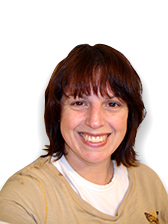
Tracey Jones (Psychologist)
B.Sc. (Psych), M.Soc.Sc., Dip.Social Work, P.G.Dip Learning Disability, Cert Editing, Cert Creative Writing, PGCE.
Member British Psychological Society, Member Assoc. for Coaching, Member British Learning Assoc.
25 years industry experience in writing, editing, education, psychology, and business. Tracey has several books and hundreds of articles published; in both fiction and non fiction.

How to be a Life Coach
Life coaching is a relatively new profession - although coaches have been around for a long time in the guise of trainers, instructors, managers and tutors for various professions and disciplines. Life coaching is not easily defined, but it is a type of mentoring which focuses on helping individuals to achieve what they would like to achieve and thereby to lead more fulfilling lives. Unlike other forms of coaching, it takes place outside of the workplace and is concerned with all aspects of a person’s life.
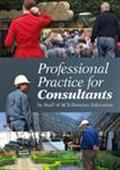
Professional Practice for Consultants
Explore becoming a consultant. This ebook contains chapters on how to be a consultant, packaging your services, delivering the services, building your resources, finding the work and getting the job, planning and ethics.

Psychological Profiling
Psychological profiling is used to assess anyone from potential new staff and school children to serial killers. It helps you to determine someone’s personality, neuroses, mental health and career suitability. This book provides an excellent overview of psychological profiling techniques and pitfalls.

Psychology Dictionary
This book provides explanations for common terms used in Psychology.