Permaculture and Self Sufficiency Courses
Advanced Permaculture
100 hours
For people with prior experience in permaculture, this course is a more in depth and academically advanced study of various aspects of permaculture. It covers sustainable systems, how to determine planning strategies for a site, seasonal patterns, water management, earthworks, considering different climates, and comprehansive planning including preparing costings. This will give you a sound background in all aspects of developing and running a permaculture system.
Learning methods available:
Correspondence
Read more & enrol: Advanced Permaculture
Certificate In Alternative Farming
600 hours
Agriculture has seen massive changes in most developed countries over recent decades due to changes in global economics, technology and environmental conscerns. This course provides a foundation for dealing with those changes, whether on your own farm, or in a broader sense. It allows you to develop skills and knowledge in alternative farming methods using materials which have a minimal impact on the environment. The compulsory modules cover sustainable methods of agriculture and organic farming (livestock, pasture, pest and disease management, soil management and crop nutrition). The elective modules cover a broad range of topics specific to alternative farming including: aquaculture, plant and animal breeding, nut, herb and flower production, hydroponics, and viticulture. This course is internationally accredited through I.A.R.C
Learning methods available:
Correspondence
Read more & enrol: Certificate In Alternative Farming
Certificate In Horticulture (Permaculture)
700 hours
If you want a change, to get your hands dirty and try something new; gain a solid training in Permaculture Design and practices! This course was recently revised to provide even more extensive and solid training for those who want to work in horticulture, especially in the design and care of productive natural garden systems. Graduates may find employment in general horticulture, permaculture design, or natural gardening (eg. in garden/system design, nurseries, teaching, consulting, etc). An excellent starting point for an exciting career in permaculture or sustainable gardening, and the skills you will learn will be valuable for any area of Horticulture too.
Learning methods available:
Correspondence
Read more & enrol: Certificate In Horticulture (Permaculture)
Mud Brick Construction
100 hours
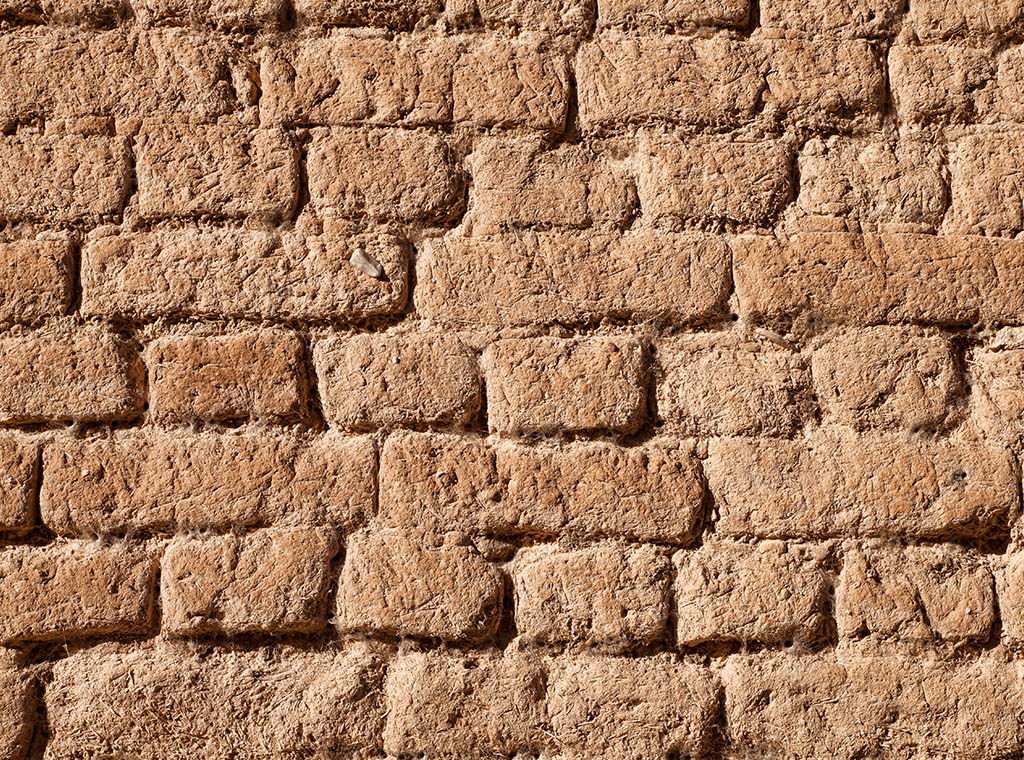
If you have thought of building a mud brick building, this course may be an excellent starting point. Its very practical, with some hands on work to get you started; helping you begin experimenting and planning ongoing projects, whether they are a modest garden wall, or more complex buildings. Learn to test soil suitability for mud building, how to make a quality brick and how to test its strength. The course takes you step by step through the building process, showing how to plan a building, sorting through permits and other legalities, doing the site works & foundations, different construction techniques, laying bricks, frames and roofs, installing services, wall finishes and more.
Learning methods available:
Correspondence
Online
E-Learning
Read more & enrol: Mud Brick Construction
Permaculture I
This course introduces the basic concepts of Permaculture, and develops a basis for permaculture design by explaining the patterns which occur in nature, such as weather systems, water cycles, topography, soil-plant interactions and forest ecology, and how a knowledge of these patterns can be used to reproduce balanced and productive garden growing systems.
Learning methods available:
Correspondence
Read more & enrol: Permaculture I
Permaculture II
This course is a natural progression from Permaculture 1, but can taken separately in its own right. It concentrates on the plants in a permaculture system, how they relate to each other and to the surrounding environment; and selection and placement of different varieties within a permaculture design. This course deals with preparing plans for different types of permaculture gardens.
Learning methods available:
Correspondence
Read more & enrol: Permaculture II
Permaculture III
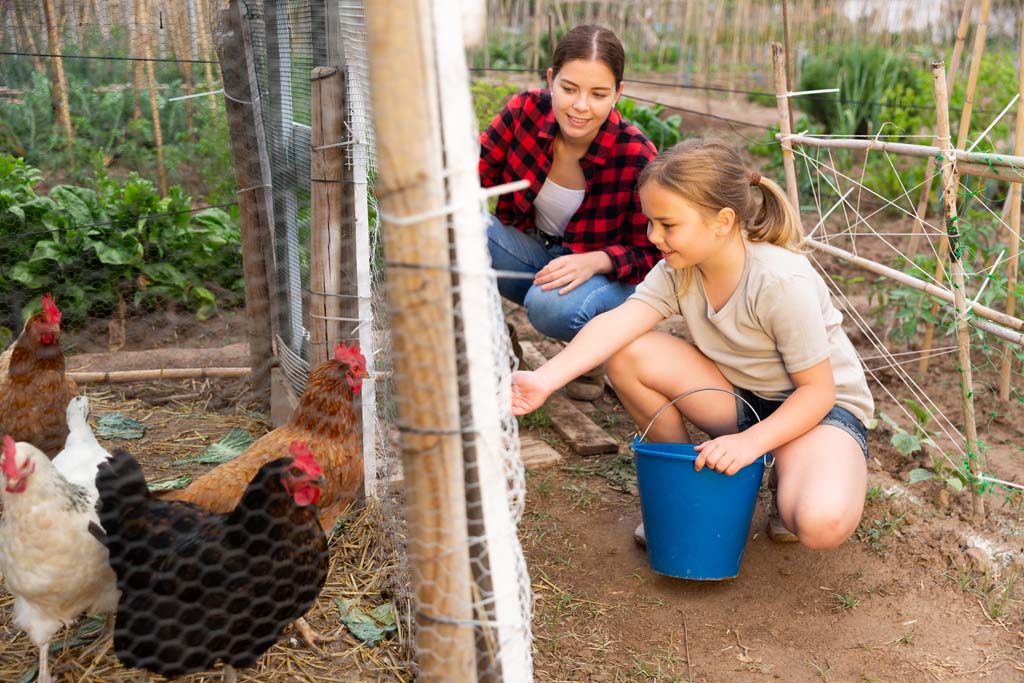
As with Permaculture II, this course is also a natural progression from the earlier Permaculture units, but can be taken separately in its own right. It concentrates on the animals in a permaculture system, how they relate to each other, how they relate to surrounding environments, and selection and management of different types of animals in a permaculture design. The course covers the role of insects, animal husbandry of poultry, bees, pigs, goats and cattle, aquaculture systems, and how to integrate animals into a garden.
Learning methods available:
Correspondence
Read more & enrol: Permaculture III
Permaculture IV
Learn to design and manage a comprehensive permaculture system. This course integrates all aspects of permaculture into the design and management of a comprehensive and balanced system. The course covers an overview of permaculture, energy efficient building alternatives, waste disposal systems, recycling, natural watering and sustainable energy alternatives, and designing for natural disasters. You will also undertake a full scale major design project using the knowledge obtained from the course and utilising the learned techniques.
Learning methods available:
Correspondence
Read more & enrol: Permaculture IV
Self Sufficiency I
100 hours
Learn how to live self sufficently in this modern age! With this course, develop your understanding of self sufficiency. Learn about food and nutrition, and making the right decisions about changes in lifestyle; as well as showing you how to do a whole range of practical things such as mud brick building, making crafts, growing fruit, vegetables, herbs, and other crops; raising poultry, sheep & goats, extending the life of clothing, conserving energy, recycling, simple home medical care and first aid, and lots more.
.
Learning methods available:
Correspondence
Online
E-Learning
Read more & enrol: Self Sufficiency I
Self Sufficiency II
100 hours
Learn to be self sufficient with your food. You learn about nutrition and how to balance your diet, as well as how to produce, process, store, and use different types of food. This includes berries, nuts, milk, cheese, eggs, bread making, preserves, & dried food. Cooking, freezing, drying, bottling, making bread, planning a vegetable garden to give produce all year round, and lots more are covered during the ten lessons.
Learning methods available:
Correspondence
Online
E-Learning
Read more & enrol: Self Sufficiency II