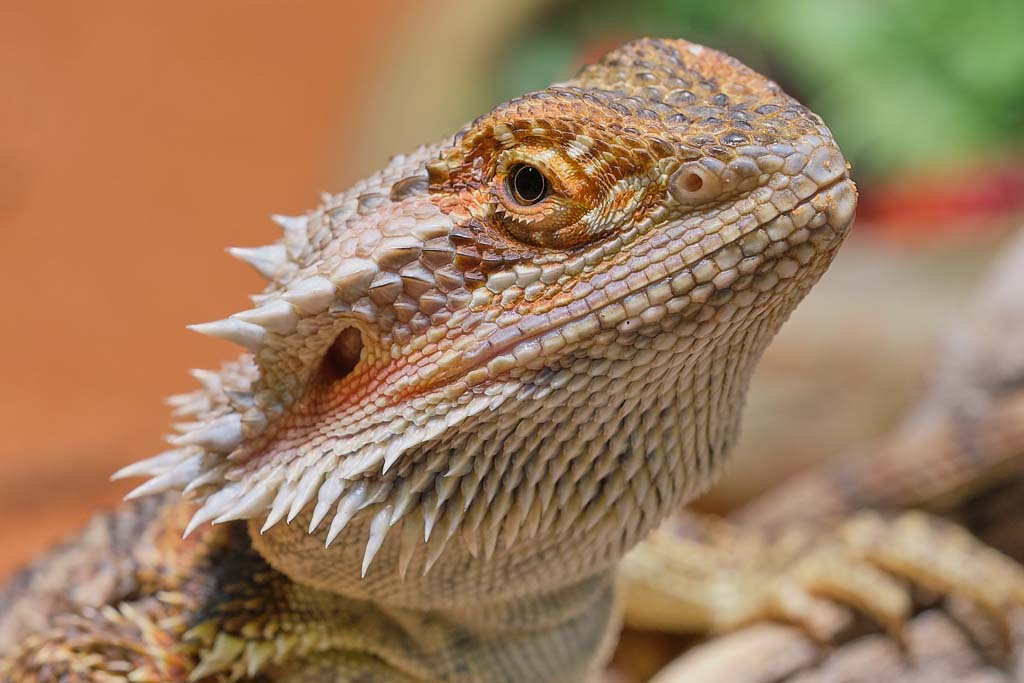
Discover How People Find Careers Working with Wildlife
 How to Work in a Zoo. How to work in Wildlife Conservation or Management. START HERE!
-
a foundation course for those looking to work their way into employment with wildlife.
-
undertake studies in vertebrate zoology, wildlife management, ecology, ornithology, marine studies I and environmental assessment.
-
modules combine to provide you with a working knowledge of wildlife and their environments.
A great course to get you started on your wildlife career.
Student Comment: I love the course and the course material even though a bit of it seems to be a lot more in depth than I anticipated. I love it just the same as I'm learning lots. I just wish I had more time to do a lot more. Kim Stinton - Australia, Advanced Certificate in Wildlife Management
Course Structure
This course is made up of a number of modules. To complete this course you must study and pass all of the modules listed below.
Core Modules
Elective Modules
In addition to the core modules, students must also choose 3 of the following elective modules.
Accreditations
What do Modules Cover?
Here are some examples (otherwise click on each module to go to that specific course/module.
INTRODUCTION TO ECOLOGY
There are seven lessons in this course as follows:
-
Ecosystems & Populations
Components of an ecosystem, Biomes, Detrital & grazing webs, trophic levels, energy flows etc -
The Development of Life
Lifespans, Natural selection, Genetics, Understanding arguments for and against theory of evolution, etc. -
Animals, Parasites & Endangered Species
Comparative anatomy, how animals fit in ecosystems, animals in the human community, parasites, etc -
Fungi, Tundra, Rainforests & Marshlands
Physiology, anatomy, classification and ecology of fungi; Location, the climate, the plant and animal life related to different systems including tundra, marshes and rainforests. -
Mountains, Rivers & Deserts
Formation ecology and importance of mountains (including erosion, volcanoes etc), formation & types of rivers, catchments, dams, deserts and their ecology, etc. -
Shallow Waters
Shore lines, coral reefs, intermediate reefs, estuaries, sandy shores, etc. -
Ecological Problems
The Greenhouse Effect, The Ozone Layer, Poisons & Waste Materials
VERTEBRATE ZOOLOGY
The course is divided into ten lessons as follows:
-
Vertebrate Taxonomy and Diversity
-
Fishes
-
Ectotherms: Amphibians and Reptiles
-
Birds
-
Overview of Mammals
-
Marsupials
-
Mammalian Glires and Insectivora
-
Carnivores
-
Hooved Mammals: Ungulata
-
Primates and other Archonta
WILDLIFE MANAGEMENT
The course is divided into nine lessons as follows:
-
Introduction To Wildlife Management
-
Wildlife Ecology
-
Wildlife Habitats
-
Population Dynamics
-
Carrying Capacity
-
Wildlife Censuses
-
Wildlife Management Techniques
-
Wildlife Management Law And Administration
-
Wildlife Management Case Study Research Project
ORNITHOLOGY
The course consists of nine lessons.
-
Classification & Introduction to Birdwatching.
-
The Biology of Birds: Anatomy, external & internal structure, breeding, eggs etc.
-
Common and Widespread Land Birds: Pests, introduced birds, pigeons, crows & their relatives, etc.
-
Giant Birds & Long Legged Birds: Emu, Ostrich, Herons, Storks & Relatives etc
-
Seabirds & Waterbirds
-
Hunters -Birds of Prey, Owls, Kingfishers
-
Passeriformes
-
Other Birds Parrots, Honeyeaters, Swifts & others
-
Attracting, Feeding & Keeping Birds
MARINE LIFE
I
This course has 9 lessons as follows:
-
Marine Ecology Systems
-
Shallow Waters & Reefs
-
Shellfish & Crustaceans
-
Squid, Octopus, and Other Primitive Animals
-
Fish Part A
-
Fish Part B
-
Marine Mammals
-
Turtles, Sea Snakes and Seabirds
-
Human Impact on Marine Environments & Fishing
ENVIRONMENTAL ASSESSMENT
There are 8 lessons in this course as follows:
-
Types of Employment for Environmental Scientists.
-
Introduction to Environmental Assessment.
-
International Environmental Law.
-
Domestic Environmental Law
-
Types of Environmental Assessments
-
The Design and Process of Environmental Assessment.
-
Writing Environmental Reports Research Project
What is Wildlife Management?
Wildlife management is the manipulation of wild animal populations and their habitats in the context of an ecosystem. Wildlife management may include activities such as:
-
Managing parks, reserves and wilderness areas
-
Altering, rewilding or rehabilitating wildlife habitats
-
Providing education and extension programs for special interest groups
-
Maintaining threatened populations and pests at a desirable level
-
Protecting human life and property and
-
Managing harvests of wildlife.
The techniques and types of wildlife management vary depending on the location, the species being managed and the tools available. Wildlife managers must perform research at several complementary levels to ensure that the management practices which are implemented lead to positive outcomes.
THREATENING PROCESSES
Habitat Fragmentation
Habitat fragmentation, as the name suggests it the fragmenting or disruption of continuity of a species’ habitat. This can be caused by natural processes such as geological processes which over time alter the layout of the physical environment. However, in the last 200 years, the major cause of habitat fragmentation is the change in land use by humans.
Habitat patch size and distribution can have significant impacts on the distribution, social structure and the inevitable survival of wildlife populations. With the clearing of land worldwide for cultivation and urban/residential development, wildlife habitats are being broken up into smaller and more isolated patches. This fragmentation can isolate populations from one another, stopping genetic flow and therefore weakening the genetic diversity of species. This can lead to reduced fitness of a population (inbreeding depression) and can make the population more susceptible to the effects of disease and other external factors. An example of this is evident in a small isolated population of African lions in Tanzania. Due to inbreeding depression, the males of this population produced abnormal sperm which then led to their declined reproductive success.
Reduction in habitat size also leads to the increased length of habitat edges. These are the zones between two or more plant communities. Many wildlife species make use of edges. The influence these two habitat types have on one another along this boundary is known as the 'edge effect'. This edge can be beneficial for some species when it provides access to two different habitats in a small area as there are greater resources available per unit of area. These edges can also have a negative impact on some species, particularly when there is a large edge bordering disturbed land. Forest fires, higher rates of predation and infestation by pioneer plant species are more likely to occur along the edges of habitat.
Habitat Degradation and Loss
Habitat degradation can be defined as the slow decline or attrition of habitat suitability. The process of habitat degradation can eventually lead to habitat loss. It is a key threatening process affecting many species worldwide and is believed to be the main cause of species extinction and endangerment on a global scale. Around 60% of ecosystems on earth are now considered degraded or unsustainable due to human activity. This includes both terrestrial and marine ecosystems.
Habitat degradation can be split into two types.
-
Reduction in the availability of food resources (eg. overfishing leading to the endangerment of the Seal Lion of the US east coast) or
-
Availability of shelter (e.g., the reduction in Mountain Ash tree hollows available to Leadbeaters Possum in Victoria, Australia).
These two factors combined can result in the reduced abundance of a species within its natural habitat.
Habitat degradation is one of the major processes impacting both plant and animal species worldwide. It has the direct impact of loss of biodiversity, removing habitat for species forcing them to adjoining habitats and sometimes resulting in local population extinctions. Habitat degradation and loss can also have the flow on effects of increased erosion downstream and eutrophication of waterways, higher predation rates and increased competition in surrounding habitats, putting pressure on these habitats.
The loss of habitat is the major impact leading to the endangerment of many species worldwide. Human populations are continually transforming land with approximately half of the earth’s land area already transformed for human use. This can be divided into 11% for farming and forestry, 26% for livestock pasture and the remaining 63% for development such as housing, industry, services and transport. Forest cover has changed worldwide decreasing by around 670,000 km2 between 1980 and 1995. Although countries such as North America are experiencing forest growth, the quality of forest habitat is declining.
Two thirds of the world’s rivers have been changed and flow has been regulated. Many of the wetlands worldwide have been drained or filled. In countries such as Central and South America, the rate of wetland loss is still quite high.
Effects of Habitat Loss
Many ecologists have identified links between area size and species richness. Therefore, the loss of habitat can not only affect individual species but species richness. Trends identified between species richness and area size are:
-
Extinction rates are greater on small islands
-
Larger areas contain more individuals.
-
Speciation (evolution of new species) is more likely in larger areas
-
There are more “core” areas within large areas that are less affected by environmental disturbances and edge effects.
-
Increased diversity of habitat in larger areas will result in greater species-area relationship.
Habitat loss and degradation is a significant issue facing conservationists and will be discussed in greater detail in later lessons.
Why This Course with ACS?
There is a shortage of people in this industry who have the knowledge to do the job. It isn’t good enough to swat for and pass an exam, then forget what you learned. With increased use of AI even universities are challenged by graduates who use AI to do assessments. We have stuck to “old” tried and tested learning methods. Deeper learning is a slower way to get a qualification, but it’s the only sustainable way to a long term career.
- 6 month full time, typically 1-2 years part time
- Developed and delivered by leading wildlife experts in both the UK and Australia
- Study Guides provide a learning journey that is diverse, both on and off a computer, interacting with both the virtual world and the real world through conversation and observation.
- Designed to teach you skills needed to work in wildlife parks, zoos, refuges or in wilderness or conservation management.
- Options to boost your employability by building a unique combination of skills that are simply not available through other courses
ACS Student Comment:
"I am currently studying the Wildlife Management certificate course and am thoroughly enjoying myself! I have studied online before but have found that ACS provides a much greater level of support than other institutions. I have also found the courses to be much more in-depth than I thought they would be, and feel that I'm really getting value for money. I've found the modules I've already completed in environmental assessment, ecology, ornithology and marine studies to be very relevant to my "work" as a wildlife rehabilitator and the knowledge I've gained has given me a greater understanding of the pressures that our native wildlife faces. I'm also sure that this course of study has been an influencing factor in getting my dream job - working with endangered big cat species in South Africa." -- Francis Bell, Australia - Certificate in Wildlife Management course.
"I work in pest control and do this on the side and I use, at the moment, the ecology section of what I have learnt all the time to assess sites." -- Amanda Frankee, Environmental Officer, Australia - Certificate in Wildlife Management course.
Enrol using the automated procedure on this site or contact us via phone or email to ask questions and enrol with a real person.
You can enrol at anytime and start the course when you are ready. Enrolments are accepted all year - students can commence study at any time. All study is self paced and ACS does not set assignment deadlines.
Please note that if a student is being assisted by someone else (e.g. an employer or government subsidy), the body offering the assistance may set deadlines. Students in such situations are advised to check with their sponsor prior to enrolling. The nominal duration of a course is approximately how long a course takes to complete. A course with a nominal duration of 100 hours is expected to take roughly 100 hours of study time to complete. However, this will vary from student to student. Short courses (eg. 100 hrs duration) should be completed within 12 months of enrolment. Certificates, Advanced Certificates and Awards (eg. over 500 hours duration) would normally be completed within 3 -5 years of enrolment. Additional fees may apply if a student requires an extended period to complete.
If a student cannot submit their assignments for 6 months to ACS, they should advise the school to avoid cancellation of their student
registration. Recommencement fees may apply.
Simply click on the ENROL OPTIONS button at the top of this screen and follow the prompts.
You can see the course price at the top of this page. Click 'enrolment options' to see any payment options available.
You can pay by Credit Card, PayPal, Afterpay or bank transfer.
Yes! We have payment plans for most courses. Click 'enrolment options' to see the available payment plans.
We also have Afterpay that will allow you to pay for your course or payment plans in four instalments (if you are in Australia).
There are no entry requirements that you need to meet to enrol in our courses, our courses are for everyone.
If you are under 18, we need written permission from your parent/ guardian for your enrolment to continue, we can arrange that after you have enrolled.
You don’t need to purchase any additional resources to complete our courses.
What do I need to know before I enrol?
We aim to teach you the essentials without you having to purchase any specific computer program.
We recommend that you have access to a word processing program, such as Microsoft Word or Google Docs, so that you can easily complete and submit your assignments.
You sure can. We are here to help you learn whatever your abilities.
Yes, if you are enrolling in a Certificate or Advanced Certificate, you might be eligible for credits if you have evidence of your previous studies or relevant experience. More information is here.
We recommend that you are able to browse websites, send emails and conduct online research. You will need to be able to type and submit your assignments.
If you have limited computer skills, we can make special arrangements for you.
This is possible, it depends on the institution. We recommend that if you would like to use our courses that you contact the institution first. Our Course Handbook is a good resource for this.
Our courses are written in English and we only have English speaking academic staff. If you can read and complete your assignments in English, our courses are ideal for you.
Our courses are designed to build knowledge, hands on skills and industry connections to help prepare you to work in the area, running your own business, professional development or as a base for further study.
This course is aimed at providing you with a solid understanding in your selected discipline. It has been designed to take 600 hours, which includes your course reading, assignment work, research, practical tasks, watching videos and more. When you complete the course, will have a good understanding of the area/ industry you want to work in.
It’s up to you. The study hours listed in the course are a rough guide, however if you were to study a short course (100 hours) at 10 hours per week, you could finish the course in 10 weeks (just an example). Our courses are self-paced, so you can work through the courses in your own time. We recommend that you wait for your tutor to mark and return your assignment before your start your next one, so you get the benefits of their feedback.
The course consists of course notes, videos, set tasks for your practical work, online quizzes, an assignment for each lesson (that you receive feedback from your tutor from) and ends in an exam (which is optional, if would like to receive the formal award at the end), using our custom built Learning Management System - Login.Training.
Our courses are designed for adults to gain professional development and skills to further their careers and start businesses.
Our custom online learning portal allows you to conduct your learning online. There may be practical tasks that you can do offline. You have the option of downloading your course notes or print them to read later.
There is also the option to pay an additional fee for printed course notes and or USB (availability limited to location and deliverability).
Yes, if you don’t have access to the internet, you can receive the course as paper notes or on a USB stick for an additional fee. We can also make alternative arrangements for you to send your assignments to us.
We offer printed notes for an additional fee. Also, you can request your course notes on a USB stick for an additional fee.
Yes, your tutor is here to help you. Simply post any questions you have in your login.training portal or contact the office and we can pass on a message to your tutor.
We are more learning focussed, rather than assessment focussed. You have online quizzes to test your learning, written assignments and can complete an exam at the end of the course (if you want to receive your certificate). You will not receive a pass/ fail on your course work. If you need to add more details on your assignment, we will ask you to resubmit and direct you where you need to focus. If you need help, you can ask your tutor for advice in the student room.
Each module (short course) is completed with one exam.
Exams are optional, however you must sit an exam if you would like to receive a formal award. You will need to find someone who can supervise that you are sitting the exams under exams conditions. There is an additional cost of $60 incl. GST for each exam.
More information is here
There are practical components built into the course that have been designed to be achieved by anyone, anywhere. If you are unable to complete a task for any reason, you can ask your tutor for an alternative.
When you complete the course work and the exams (6 exams) and you will be able receive your course certificate- a Certificate. Otherwise, you can receive a Letter of Completion.
You can bundle the short courses to create your own customised learning bundle, Certificates or Advanced Certificates. More information is on this page.
Yes, our courses are built to be applicable for people living anywhere in any situation. We provide the fundamentals, and each student can apply their own unique flair for their own interests, region and circumstances with the one-on-one guidance of a tutor. There is also a bit of student directed research involved.
Employers value candidates with industry skills, knowledge, practical skills and formal learning. Our courses arm you with all of these things to help prepare you for a job or start your own business. The longer you study the more you will learn.
ACS has an arrangement with OAMPS (formerly AMP) who can arrange Professional Indemnity from Australian and New Zealand graduates across all disciplines. Ph: 1800 222 012 or email acs@oamps.com.au.
Who are ACS Distance Education?
ACS Distance Education have been educating people for over 40 years.
We are established and safe- we have been in education for over 40 years.
We are focused on developing innovative courses that are relevant to you now and what you will need to know in the future.
We are focused on helping you learn and make the most of your experience.
You can enrol at any time, you can work on your course when it suits you and at your own pace.
We are connected to many industry bodies and our staff participate in continuous improvement and learning activities to ensure that we are ahead of what learning is needed for the future.
Our courses are not accredited by the Australian Government. However many of our courses are recognised and held in high regard by many industry bodies.
Our courses are written by our staff, who all have many years experience and have qualifications in their speciality area. We have lots of academic staff who write and update our courses regularly.
How do I enrol my staff/ sponsored students?
Yes, you can do a request for a bulk enrolment and request an invoice on our Invoice Request Form
We can prepare an invoice, quote or proforma invoice. Simply complete your details on our Invoice Request form
We can arrange bulk discounts for your course enrolment, please get in touch with us to discuss your needs.
Yes, we have many students who are in locked facilities, such as prisons or hospitals. We can cater by also offering paper notes at an additional cost.
What if I have any more questions or need more information?
We can assist you to find the right course for your needs. Get in touch with us via email (admin@acs.edu.au) call on +61 7 5562 1088 or complete our course advice form.
What if I change my mind?
Please get in touch with studentservices@acs.edu.au if you would like to be removed from our mail list.
If you would like ACS Distance Education to delete your information at any time (whether you are a customer or a prospective customer), please contact our privacy officer and we will process this ( admin@acs.edu.au ).
If students require a reproduction of their certificate, an electronic copy can be provided at a cost of AUD$35 incl GST. Printed copies are not available.
Course Contributors
The following academics were involved in the development and/or updating of this course.

Dr Robert Browne
Zoologist, Environmental Scientist and Sustainability, science based consultancy with biotechnology corporations. Work focused on conservation and sustainability.
Robert has published work in the fields of nutrition, pathology, larval growth and development, husbandry, thermo-biology, reproduction technologies, and facility design.Robert has B.Sc., Ph, D.

Martin Powdrill
25 years working in Telecommunications, IT, Organisational Development, and Energy Conservation & Efficiency, prior to setting up his own Permaculture consulting business. Martin has a Bsc (Hons) Applied Science (Resources Option), MSc Computer Studies, Permaculture Design Certificate.
Martin volunteers with many local environmental and community groups, and facilitates discussions on climate change, peak oil, and transition towns. Martin has an allotment, and is currently enrolled in the Scottish Mountain Bike Leader Award programme.
Martin’s goal as a catalyst for sustainable change brings together his strengths and experience in his environmental, project management, and business backgrounds.
Marine Animals
With colour photos splashed throughout, this Marine Animals e-book is designed to provide a guide for some of the more common animals found in marine ecosystems around the world. Learn about the creatures hidden by the other 70% of the earth's surface. Explore more...
Birds
Learn what is different between the 29 different orders (groups) that birds belong to. Well over 100 stunning colour photos, 117 pages and lots of information