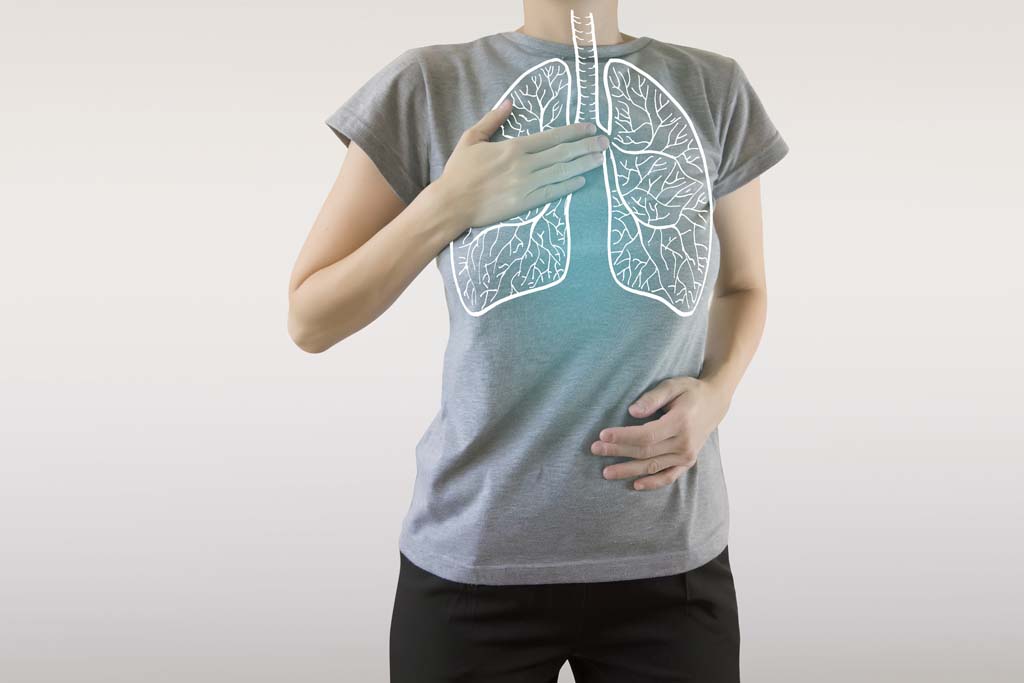
Cardiorespiratory Performance (Human Biology III)
Study the heart and lungs. This course covers all aspects of the cardiorespiratory system - biological processes that drive breathing, gas exchange, blood flow and more.
 Online Course - Understand Cardiorespiratory Health and Performance.
-
Enrol and commence studying anytime
-
Work at your own pace and focus on things of greater interest to you.
-
Great tutors , highly qualified, and with years of experience stand ready to support you every step of the way
Students will cover a variety of related topics in order to learn how the cardiovascular and respiratory systems function cooperatively to keep the body alive. Monitoring and regulatory mechanisms governing cardiorespiratory functions are investigated, along with the physical laws and biochemical processes that explain how and why the cardiorespiratory system works in the way it does. From gas exchange, cellular energy production, cardiomyocyte contraction, alveolar structure and function, gas laws, blood physiology and cellular oxygen demand, students will develop a sound understanding of breathing and blood flow.
What You Will Do
- Apply physical formulas to explain movement of gases in the body
- Understand the cellular need for oxygen
- Investigate removal of carbon dioxide from the body
- Learn the importance of carbon dioxide in blood chemistry
- Understand how cells produce energy aerobically and anaerobically, and how the body cardiorespiratory system deals with the waste products of these processes
- Develop their understanding of homeostasis and equilibrium, diffusion and osmosis and the importance of each to gas exhange
- Test concepts practically using common household items
- Analyse data from basic experiments to develop their knowledge of lesson topics
- Examine the role of fitness and exercise in cardiorespiratory health and function
- Interpret electrocardiograms
- Discover the impact of different conditions, illnesses and disease processes on cardiorespiratory performance
Lesson Structure
There are 7 lessons in this course:
-
The Science of Blood
- The Functions of Blood
- Components of Blood
- Blood Typing
- Blood Cells
- Haematopoiesis; Erythropoiesis, Leukopoiesis, Lymphopoiesis
- Blood Cell function; Erythrocytes, Neutrophils, Eosinophils, Basophils, Thrombocytes etc
- The Immune Response
- Haemostasis
- Clotting Mechanism
- Haemodynamics
- Circulatory Networks
- Blood Testing
- Full Blood Count
- Cross Matching
- Blood Cultures
- Arterial Blood Gas
- Biochemical and Metabolic Tests
- INR
- Blood Disorders; Red & White Blood disorders, Blood Clotting, Poisoning
- Lymphatic System
-
Blood Pressure
- Factors Affecting Blood Pressure; cardiac output, peripheral resistance, blood volume
- How Blood Pressure is Measured
- The Cardiac Cycle
- Heart Muscle Cell Contraction
- Electrical Control of the Heart Muscle Cells; Sinoatrial Node (SA Node), Atrioventricular n ode (AV Node), Bundle of His (Atrioventricular bundle), Purkinje Fibres
- Blood Pressure Problems
- Systolic hypertension, Diastolic hypertension and Hypertension
- Distribution of Blood Flow
- Regulating Heart Rate and Blood Pressure
- Sensors
- Problems with Heart Rate; variations, and other conditions including Myocardial infarction and Cardiac Tamponade
- Electrocardiograms and their Interpretation
-
Pulmonary Ventilation
- The Respiratory System
- Respiratory Epithelium
- The Lungs
- Lung Anatomy
- Alveoli
- Airway Anatomy
- Nasal and oral cavities
- Pharynx
- Epiglottis
- Larynx
- Trachea
- Bronchi and bronchioles
- Physiology of Breathing; Equilibrium, Pressure, Inspiration, Expiration
- Physiological Measures of Lung Capacity and Function; Total Lung Capacity, Tidal Volume, Vital Capacity, Forced Vital Capacity, IRV, ERV, Functional Residual Capacity, MV, VO2 Max, etc
- Effect of Exercise on Pulmonary Ventilation
-
Gas Exchange & Transport
- Gas Exchange in the Human Body
- External Respiration
- Oxygen Transport
- Internal Respiration
- Haemoglobin
- Carbon Dioxide Transport
- Biochemistry of Gas Exchange; Boyle’s Law, Charles’ Law, Dalton’s Law, Henry’s Law, etc
- Factors Affecting Gas Exchange; Partial pressure Gradients, Gas Solubility, Membrane thickness, etc
- Compliance
- Respiratory Control
-
Blood Flow & Gas Transport
- Blood Flow; Volume, Target
- Gas Transport
- Arterial-Alveolar Gradient
- Oxygen Transport
- Factors Effecting Oxygen Release by Haemoglobin
- The Bohr-Haldane Effect
- Cellular Respiration
- Energy Production; anaerobic and aerobic
- Blood Flow During Exercise and Rest
-
Cardio Respiratory Control
- Cardio Respiratory Control and the Nervous System
- Input Sensors
- The CV Centre
- High Brain Centres
- Baroreceptors and Chemoreceptors
- The Respiratory Centre
- Starling’s Law
- Capillaries
- The Control of Heart and Lungs During Exercise
-
Cardio Respiratory Disease
- Cardiac Diseases and Injuries
- Chronic Heart Failure
- Congestive Heart Failure
- Myocardial Infarction and Ischemia
- Cardiovascular Diseases
- Coronary Heart Disease
- Atherosclerosis
- Aneurysm
- Vasculitis
- Venous thrombosis
- Varicose veins
- Causes of Cardiovascular Disease; lifestyle, diet, obesity, genetics, smoking, hypertension, etc
- Respiratory Disease
- Asthma
- Chronic Obstructive Pulmonary Disease
- Emphysema
- Cystic Fibrosis (CF)
- Effects of Cardio Pulmonary Disease
Accreditations
How is Heart Muscle Cell Activity Controlled?
The electrical control of the heart occurs via the sinoatrial node, the atrioventricular node, the bundle of His and purkinje fibres.
Sinoatrial Node (SA Node)
The sinoatrial node is found right at the top of the wall of the right atrium, near where the superior vena cava enters. It is composed of modified cardiomyocytes that do not contract but transit electrical impulses much more rapidly than normal cardiomyocytes. The cells of the sinoatrial node initiate the action potential that triggers cardiac muscle contraction. It triggers action potentials without influence from the nervous system; however, the rate and strength of contractions are influenced by feedback from the nervous system and brain. The sinoatrial node is essential the hearts natural pacemaker. How often the cells of the sinoatrial node depolarise and trigger an action potential determines how often your heart will beat.
The electrical impulses (action potentials) from the sinoatrial node trigger co-ordinated contraction of both atria by causing depolarisation of the cardiomyocytes in that area. The impulse travels on to the atrioventricular node.
Atrioventricular Node (AV Node)
The atrioventricular node is found on the bottom wall of the right atrium, along the wall of cardiac tissue that divides the two atria. It is also comprised of modified, non-contractile cardiomyocytes. Its function is to hold up the electrical impulse from the sinoatrial node. This provides a delay that allows the atria to fully contract before the cardiomyocytes of the ventricles are stimulated to contract. This ensures that the ventricles are full of blood before they contract. The electrical impulse then travels on to the bundle of His, also known as the atrioventricular bundle. When the sinoatrial node is damaged, the atrioventricular node can take over as the primary pacemaker for the heart.
Bundle of His (Atrioventricular bundle)
The bundle of His is located immediately inferior to the AV node; in the wall (septum) that divides the ventricles. It branches as it travels down the septum and functions to provide very rapid transmission of the electrical impulse from the AV node to the Purkinje fibres. This function is due to the bundle also being composed of the modified non-contractile cardiomyocytes.
Purkinje Fibres
These are the terminal end of the electrical conduction system of the heart. They run from the base of the septum up and around the outer walls of both ventricles. Like the rest of the conduction system, they are made up of modified cardiomyocytes. (The term fibre here refers to muscle fibres, or cells, not to nerve fibres).
It is the cells of the Purkinje fibres that deliver the electrical impulse that originated in the SA node to the ventricular cardiomyocytes, causing a co-ordinated contraction of both ventricles.
Who Should Study This Course?
This course is aimed at people who wish to expand their knowledge of human biology. It is suitable for many people including:
- Biologists
- Scientists
- Researchers
- Writers
- Health & fitness professionals
- Sport & leisure professionals
- Health instructors
- Health & wellness coaches
- Sports coaches
- Teachers
Study with us to develop your understanding of the cardiorespiratory system.
Enrol using the automated procedure on this site or contact us via phone or email to ask questions and enrol with a real person.
You can enrol at anytime and start the course when you are ready. Enrolments are accepted all year - students can commence study at any time. All study is self paced and ACS does not set assignment deadlines.
Please note that if a student is being assisted by someone else (e.g. an employer or government subsidy), the body offering the assistance may set deadlines. Students in such situations are advised to check with their sponsor prior to enrolling. The nominal duration of a course is approximately how long a course takes to complete. A course with a nominal duration of 100 hours is expected to take roughly 100 hours of study time to complete. However, this will vary from student to student. Short courses (eg. 100 hrs duration) should be completed within 12 months of enrolment. Certificates, Advanced Certificates and Awards (eg. over 500 hours duration) would normally be completed within 3 -5 years of enrolment. Additional fees may apply if a student requires an extended period to complete.
If a student cannot submit their assignments for 6 months to ACS, they should advise the school to avoid cancellation of their student
registration. Recommencement fees may apply.
Simply click on the ENROL OPTIONS button at the top of this screen and follow the prompts.
You can see the course price at the top of this page. Click 'enrolment options' to see any payment options available.
You can pay by Credit Card, PayPal, Afterpay or bank transfer.
Yes! We have payment plans for most courses. Click 'enrolment options' to see the available payment plans.
We also have Afterpay that will allow you to pay for your course or payment plans in four instalments (if you are in Australia).
There are no entry requirements that you need to meet to enrol in our courses, our courses are for everyone.
If you are under 18, we need written permission from your parent/ guardian for your enrolment to continue, we can arrange that after you have enrolled.
You don’t need to purchase any additional resources to complete our courses.
What do I need to know before I enrol?
We aim to teach you the essentials without you having to purchase any specific computer program.
We recommend that you have access to a word processing program, such as Microsoft Word or Google Docs, so that you can easily complete and submit your assignments.
You sure can. We are here to help you learn whatever your abilities.
Yes, if you are enrolling in a Certificate or Advanced Certificate, you might be eligible for credits if you have evidence of your previous studies or relevant experience. More information is here.
We recommend that you are able to browse websites, send emails and conduct online research. You will need to be able to type and submit your assignments.
If you have limited computer skills, we can make special arrangements for you.
This is possible, it depends on the institution. We recommend that if you would like to use our courses that you contact the institution first. Our Course Handbook is a good resource for this.
Our courses are written in English and we only have English speaking academic staff. If you can read and complete your assignments in English, our courses are ideal for you.
Our courses are designed to build knowledge, hands on skills and industry connections to help prepare you to work in the area, running your own business, professional development or as a base for further study.
This course has been designed to cover the fundamentals of the topic. It will take around 100 hours to complete, which includes your course reading, assignment work, research, practical tasks, watching videos and anything else that is contained in the course. Our short courses are a great way to do some professional development or to learn a new skill.
It’s up to you. The study hours listed in the course are a rough guide, however if you were to study a short course (100 hours) at 10 hours per week, you could finish the course in 10 weeks (just an example). Our courses are self-paced, so you can work through the courses in your own time. We recommend that you wait for your tutor to mark and return your assignment before your start your next one, so you get the benefits of their feedback.
The course consists of course notes, videos, set tasks for your practical work, online quizzes, an assignment for each lesson (that you receive feedback from your tutor from) and ends in an exam (which is optional, if would like to receive the formal award at the end), using our custom built Learning Management System - Login.Training.
Our courses are designed for adults to gain professional development and skills to further their careers and start businesses.
Our custom online learning portal allows you to conduct your learning online. There may be practical tasks that you can do offline. You have the option of downloading your course notes or print them to read later.
There is also the option to pay an additional fee for printed course notes and or USB (availability limited to location and deliverability).
Yes, if you don’t have access to the internet, you can receive the course as paper notes or on a USB stick for an additional fee. We can also make alternative arrangements for you to send your assignments to us.
We offer printed notes for an additional fee. Also, you can request your course notes on a USB stick for an additional fee.
Yes, your tutor is here to help you. Simply post any questions you have in your login.training portal or contact the office and we can pass on a message to your tutor.
We are more learning focussed, rather than assessment focussed. You have online quizzes to test your learning, written assignments and can complete an exam at the end of the course (if you want to receive your certificate). You will not receive a pass/ fail on your course work. If you need to add more details on your assignment, we will ask you to resubmit and direct you where you need to focus. If you need help, you can ask your tutor for advice in the student room.
Each module (short course) is completed with one exam.
Exams are optional, however you must sit an exam if you would like to receive a formal award. You will need to find someone who can supervise that you are sitting the exams under exams conditions. There is an additional cost of $60 incl. GST for each exam.
More information is here
There are practical components built into the course that have been designed to be achieved by anyone, anywhere. If you are unable to complete a task for any reason, you can ask your tutor for an alternative.
When you complete the course work and the exam and you will be able receive your course certificate- a Statement of Attainment. Otherwise, you can receive a Letter of Completion.
You can bundle the short courses to create your own customised learning bundle, Certificates or Advanced Certificates. More information is on this page.
Yes, our courses are built to be applicable for people living anywhere in any situation. We provide the fundamentals, and each student can apply their own unique flair for their own interests, region and circumstances with the one-on-one guidance of a tutor. There is also a bit of student directed research involved.
Employers value candidates with industry skills, knowledge, practical skills and formal learning. Our courses arm you with all of these things to help prepare you for a job or start your own business. The longer you study the more you will learn.
ACS has an arrangement with OAMPS (formerly AMP) who can arrange Professional Indemnity from Australian and New Zealand graduates across all disciplines. Ph: 1800 222 012 or email acs@oamps.com.au.
Who are ACS Distance Education?
ACS Distance Education have been educating people for over 40 years.
We are established and safe- we have been in education for over 40 years.
We are focused on developing innovative courses that are relevant to you now and what you will need to know in the future.
We are focused on helping you learn and make the most of your experience.
You can enrol at any time, you can work on your course when it suits you and at your own pace.
We are connected to many industry bodies and our staff participate in continuous improvement and learning activities to ensure that we are ahead of what learning is needed for the future.
Our courses are not accredited by the Australian Government. However many of our courses are recognised and held in high regard by many industry bodies.
Our courses are written by our staff, who all have many years experience and have qualifications in their speciality area. We have lots of academic staff who write and update our courses regularly.
How do I enrol my staff/ sponsored students?
Yes, you can do a request for a bulk enrolment and request an invoice on our Invoice Request Form
We can prepare an invoice, quote or proforma invoice. Simply complete your details on our Invoice Request form
We can arrange bulk discounts for your course enrolment, please get in touch with us to discuss your needs.
Yes, we have many students who are in locked facilities, such as prisons or hospitals. We can cater by also offering paper notes at an additional cost.
What if I have any more questions or need more information?
We can assist you to find the right course for your needs. Get in touch with us via email (admin@acs.edu.au) call on +61 7 5562 1088 or complete our course advice form.
What if I change my mind?
Please get in touch with studentservices@acs.edu.au if you would like to be removed from our mail list.
If you would like ACS Distance Education to delete your information at any time (whether you are a customer or a prospective customer), please contact our privacy officer and we will process this ( admin@acs.edu.au ).
If students require a reproduction of their certificate, an electronic copy can be provided at a cost of AUD$35 incl GST. Printed copies are not available.
Course Contributors
The following academics were involved in the development and/or updating of this course.

Karen Lee
Nutritional Scientist, Dietician, Teacher and Author.
BSc. Hons. (Biological Sciences), Postgraduate Diploma Nutrition and Dietetics.
Registered dietitian in the UK, with over 15 years working in the NHS. Karen has undertaken a number of research projects and has lectured to undergraduate university students. Has co authored two books on nutrition and several other books in health sciences.
Lyn Quirk
M.Prof.Ed.; Adv.Dip.Compl.Med (Naturopathy); Adv.Dip.Sports Therapy
Over 30 years as Health Club Manager, Fitness Professional, Teacher, Coach and Business manager in health, fitness and leisure industries. As business owner and former department head for TAFE, she brings a wealth of skills and experience to her role as a tutor for ACS.

Jade Sciascia
Biologist, Business Coordinator, Government Environmental Dept, Secondary School teacher (Biology); Recruitment Consultant, Senior Supervisor in Youth Welfare, Horse Riding Instructor (part-completed) and Boarding Kennel Manager.
Jade has a B.Sc.Biol, Dip.Professional Education, Cert IV TESOL, Cert Food Hygiene.
Aerobic Fitness
Understand cardio respiratory fitness. Keep your heart, lungs and circulatory system healthy.
Aerobic fitness can contribute more to your quality of life than any other aspect of fitness! This updated version of a book originally published by Kangaroo Press (Simon and Schuster)
It is an informative read, and also contains detailed illustrations of which exercises to use for individual muscle groups.
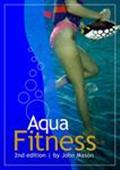
Aqua Fitness
Aqua fitness is low impact exercise in water. It is great for rehabilitation after injury, weight loss, and general fitness. This e-book is full of well illustrated exercises to try and has been written for both exercise professionals and amateurs. It is the revised edition of a book by John Mason, originally published by Kangaroo Press (Simon & Schuster).
Human Biology
For any new student of human biology, being confronted with thousands of unfamiliar words can be overwhelming. It can also be difficult to identify which words you need to learn first. This book presents words that have been carefully selected as the most important for new biology students to learn and understand. It also provides more information about each word than is often found in traditional dictionaries, giving students a more in-depth understanding of the word's meaning. The book is intended as an aid to all new students of human biology.
Medical Terminology
When studying and using medical terminology it's important to understand the basic structure of medical terms and their meanings.