
Advanced Certificate in Nutrition & Health Management
Gain knowledge and skills in nutrition, human anatomy and health. Work in food production, processing, retailing, food service or nutritional health.
Work in the Food and Nutrition Industry
This Associate Diploma provides a pathway to develop and share your passion for healthy eating. It's designed to give you a framework to develop or advance your career in areas that might include:
- Nutrition consultations
- Food writing, blogging, reviewing, presenting
- Food service
- Food production
- Food marketing
.... within industries such as complimentary medicine, allied health and other food & nutrition related enterprises.

Course Structure
The course is made up of the following 100 hour long modules:
Module 1. Nutrition I
There are nine lessons in this course, each requiring about 10 hours work by the student. Emphasis is placed on understanding the body, the food we eat and it's affects, our mental, emotional health (state of mind), and physical health.
The nine lessons are as follows:
- Introduction to Nutrition
- The Digestive System
- Absorption & Enzymes
- Energy Value and Foods
- Carbohydrates and Fats
- Proteins
- Vitamins and Minerals
- Water
- Nutrient Disorders
Module 2. Nutrition II
This course is divided into eight lessons as follows:.
- Cooking And Its Effect On Nutrition
- Food Processing And Its Effect On Nutrition
- Recommended Daily Intake Of Nutrients
- Vitamins
- Minerals
- Planning A Balanced Diet
- Assessing Nutritional Status & Needs
- Timing Of Meals & Needs For Special Groups
Module 3. Nutrition III
This course is divided into eight lessons as follows:
- Problems With Eating
- Dental Problems
- Fibre and Bowel Diseases
- Different Ways of Eating
- Food Toxicity A
- Food Toxicity B
- Detoxification/Body Cleansing
- Consulting/Giving Advice
Module 4. Children's Nutrition
There are 10 lessons in this module as follows:
- Introduction to Child Nutrition
- Nutrition for Pre-Pregnancy
- Nutrition in Pregnancy
- Nutrition in Infants
- Nutrition in Childhood
- Nutritional Concerns
- Healthy Eating Behaviours
- Issues in Child Nutrition
- Childhood Obesity
- Diet Plans
Module 5. Human Biology 1A
There are 6 lessons as follows:
- Cells & Tissues -
Explains the human body at a microscopic level, including the structure and function of cells, tissues and membranes. - The Skeleton -
Examines features of the human skeletal system. - The Muscular System -
Describes the human muscular system, in terms of structure and basic function. - The Nervous System –
Looks at the human nervous system, in terms of structure and basic functions. - Digestion & Excretion -
Explains different physiological systems of digestion and excretion in the body. - Physiological Systems –
Focuses on the different physiological systems of the body.
Module 6. Human Biology II
There are 8 lessons as follows:
- How Nerves Work -
how nerves cause reactions in the human body. - Nerves & Motor Skills -
how the nervous system affects motor skill performance - Skeletal Muscle -
function and structure of skeletal muscle in the human body - Muscle Organisation -
organisation of muscle tissue in the human body - Muscular Movement -
mechanics of muscular movement - Muscular Development -
development of muscular strength and muscular endurance. - Muscle Flexibility -
selecting muscular flexibility exercises - Muscles & Posture -
significance of muscles to posture and general well being.
Module 7. Human Biology III
There are 7 lessons as follows:
- The Science of Blood
- Blood Pressure
- Pulmonary Ventilation
- Gas Exchange & Transport
- Blood Flow & Gas Transport
- Cardio Respiratory Control
- Cardio Respiratory Disease
Module 8. Research Project I
There are 7 lessons as follows:
- Determining Research Needs
- Searching For Information
- Research Methods
- Using Statistics
- Conducting Statistical Research
- Research Reports
- Reporting On A Research Project.
Module 9. Research Project II
There are 6 lessons in this module as follows:
- Identifying research issues
- Acquisition of technical information
- Specialised research techniques
- Research planning and designing
- Statistics
- Conducting research
Module 10. Research Project III
There are five lessons in this module as follows:
1. Determining research priorities.
2. Planning research improvement
3. Testing the viability of alternative approaches
4. Conducting detailed research into commercial work procedures
5. Developing an improved approach to a workplace procedure
A major research project undertaken at the end of this course will involve at least half of the total duration.
Module 11. Biochemistry I (Animals)
There are 10 lessons as follows:
- Introduction to biochemistry
- Lipids and proteins
- Enzymes and hormones
- Nucleic acids
- Thermo-regulation
- Carbohydrate metabolism
- Absorption
- Acidity and alkalinity
- Chemical analysis
- Biochemical applications
Module 12. Sports Nutrition
There are 9 lessons as follows:
- Introduction to Human and Sports Nutrition
- Energy
- Energy in the Athlete’s Body
- The Training Diet
- The Competition Diet
- Fluids
- The Athlete’s Body Composition
- Weight Management
- Training for Size and the Use of Sports Supplements
Module 13. Food and Beverage Management
This subject has 9 lessons as follows:
- Human Nutrition in Food Service Industries - This covers all the major food groups and their importance in a nutritional diet. Also including factors in nutrition from compatibility and range of ingredients through to healthy cooking and eating methods.
- Cooking - Includes various cooking methods for a variety of different foods, covering both palatability and digestibility through to the nutritional value in processing foods.
- Kitchen & Food Management - Learn to maximise efficiency and service through proper management of kitchen facilities, including the handling of food storage and preparation, hygiene and ethics.
- Planning A Menu - Covering menu planning for the needs of special groups in different situations, including children; adolescents; elderly people; expectant and nursing mothers; immigrants; vegetarians and other health related diets.
- Alcoholic Beverages - Learn how to provide adequate variety and product knowledge in order to manage the provisions of alcoholic beverages appropriately for different situations.
- Tea, Coffee and Non-Alcoholic Beverages - This lesson provides an understanding of non-alcoholic beverages available in the catering industry and how they should be made and served.
- Scope & Nature Of Catering Services - Learn to understand the differences in appropriate management and catering for a variety of situations from pubs to a-la-carte.

- Personnel Management -(waiting skills, staffing a restaurant, kitchen etc) This lesson covers the management of people in the food and restaurant industry, including training programs, job specifications, recruitment etc.
- Management Of Catering Services - By consolidating the skills developed throughout this course you are given a comprehensive understanding of marketing through to food purchasing in order to effectively manage in the food and beverage industry.
14. 100 hours of industry meetings
15. PLUS another module of the student’s choice such as Food Preparation, Counselling skills and Starting a small business, or business operations.
Course Snapshot
| Duration (Approx) |
1500 hours |
Time Period |
Up to 5 years PLUS deferment options |
| Qualification Level |
Associate Diploma |
National Recognition |
No |
| Delivery |
Online, correspondence (paper notes) or eLearning (CD) |
International Recognition |
IARC |
| Assessments | An assignment per lesson, Self Assessment tests (online & CD) |
Exams | One for each 100hr module |
| Materials Included |
Course notes, eBook text references, unlimited tutor guidance 5 days week |
Professional Indemnity Insurance pathway |
Yes. |
| Fit study around Life |
- Start when you are ready - Study at home, from anywhere in the world - No set assignment due dates - Work at your own pace - No stuffy classrooms or rigid timetables |
Why study with ACS? |
- 35 years in education - Content is regularly updated based on industry, tutor and student feedback - Learning can be adapted to your interests, capability, circumstances and needs. - Courses delivered by the team who created them. - Unlimited tutor guidance, 5 days week. |
Course Structure
This course is made up of a number of modules. To complete this course you must study and pass all of the modules listed below.
Core Modules
- Children's Nutrition
- Food & Beverage Management
- Food Coaching
- Human Nutrition I
- Nutrition for Weight Loss
- Research Project I
Elective Modules
In addition to the core modules, students must also choose 3 of the following elective modules.
- Biochemistry I (Animal and Human)
- Cardiorespiratory Performance (Human Biology III)
- Food Preparation - Foundations of Cooking
- Food Processing and Technology
- Human Anatomy & Physiology (Human Biology 1A)
- Human Nutrition II
- Human Nutrition III
- Industry Project I
- Microbiology
- Muscles & Movement (Human Biology II)
- Research Project II
- Research Project III
- Sports Nutrition
- Therapeutic Nutrition
- Weight Loss Consultant
Accreditations
Understanding Food Allergies and Intolerance
Common foods which some people have problems with mostly include proteins: wheat, sugar, chocolate, seafood, soy, eggs, dairy and peanuts. Chemicals in foods, such as preservatives and colourings, may also cause intolerance or allergic reactions. Monosodium glutamate (MSG) is an example of an allergen food chemical. Food intolerance and allergies may manifest with “mild” and often chronic symptoms, like poor digestion, belly bloating, irritable bowel syndrome (IBS), sinus, asthma, headaches and migraines, woolly head, irritability, depression and behaviour changes. They can also manifest in more sudden and dramatic symptoms, like diarrhoea, nausea, or anaphylactic shock that can require hospitalization and if untreated, or not treated promptly can result in death. It is important to note that some allergies to foods can be so severe that separate cooking utensils and pots must be used – an example being nut allergies.
Food Intolerance
This is the most common reaction to food. It is an adverse reaction to a food or component of food that does not involve the immune system. In some cases it is due to the body not being able to properly digest a proportion of the food because it lacks the right enzyme, like in dairy intolerance. In this case, the result is usually diarrhoea or nausea because the person lacks the enzyme in the bowel that digests lactose, the sugar found in dairy products. Many people manifest only mild symptoms throughout their lives, without realizing or connecting those symptoms with the foods they consume. In the long term impaired digestion can lead to chronic malnutrition that end up showing as chronic conditions or contributing significantly to them.
Allergies
Allergies (food hypersensitivity) involve an adverse immune response to a food. Allergens found in food are often proteins, and can stimulate the body to produce antibodies specific to that food. If an individual who has inherited a specific food allergy is first exposed to that food, their immune system produces IgE (immunoglobulin) antibodies. The antibodies reside in white blood cells and mast cells in the body, particularly in the skin, the respiratory tract and gastrointestinal tract, i.e. the parts of the body that come into contact with the air and the food that we eat. These cells also contain substances such as histamine that are released when the antibodies once again come into contact with the food allergen.
It is the histamine and the other chemicals that cause the allergic reaction resulting in such symptoms as swelling of the skin, itchiness, hives, and itchy eyes. The gastrointestinal tract may respond with vomiting, cramps, diarrhoea and nausea as attempts to remove the allergen. Symptoms in the respiratory tract may include runny nose, coughing, and sneezing. In severe cases anaphylactic shock and death may result. This is essentially a situation where the body’s immune system goes completely overboard trying to save itself from the allergen and the side-effects of its efforts kill it instead.
Ninety percent of allergens found in food are proteins derived from milk, eggs, seafood, wheat, soy protein and nuts (particularly peanuts). Additives such as sulphites used as preservatives can also cause allergic reactions. It may be possible to self-diagnose and to avoid certain foods, though in more complex cases it may be necessary to consult a dietician, food allergist or physician to ensure that a proper diet is followed, avoiding deficiencies in protein, fat, vitamins and minerals.
TERMINOLOGY
Food has a language all of its own.
You must learn this language if you are to communicate in this field.
In some lessons you will be given several terms. These may or may not be new to you.
If the terms are new; you should try to find out their meaning using a dictionary or any other means you have at hand. If you have difficulty still; you should ask for help; in which case the tutor will provide you with a definition to learn.What Will This Course Do For You?
To be successful in Food and Nutrition, you need passion, persistence and a willingness to do what it takes to succeed. If this describes you, we can help you to get a start!
This course is different to many others; it is an "experiential-based" learning program designed to get you involved with the Food and Nutrition industry as you study. The industry is changing faster than ever and will continue to change. For ongoing success, you need to become "connected" and remain connected. That way, you can see and adapt to changes as your career moves forward.
With the strong foundation gained throughout this course, you will have a great standing for a successful career in Food and Nutrition.
This course is aimed at many people including:
- Food coaches
- Nutritionists
- Dieticians
- Meal planners
- Chefs
- Cooks
- Health & wellness coaches
- Life coaches
- Food writers
- Marketers
- Researchers
- Food scientists
Enrol to develop your nutrition and health knowledge.
Enrol using the automated procedure on this site or contact us via phone or email to ask questions and enrol with a real person.
You can enrol at anytime and start the course when you are ready. Enrolments are accepted all year - students can commence study at any time. All study is self paced and ACS does not set assignment deadlines.
Please note that if a student is being assisted by someone else (e.g. an employer or government subsidy), the body offering the assistance may set deadlines. Students in such situations are advised to check with their sponsor prior to enrolling. The nominal duration of a course is approximately how long a course takes to complete. A course with a nominal duration of 100 hours is expected to take roughly 100 hours of study time to complete. However, this will vary from student to student. Short courses (eg. 100 hrs duration) should be completed within 12 months of enrolment. Certificates, Advanced Certificates and Awards (eg. over 500 hours duration) would normally be completed within 3 -5 years of enrolment. Additional fees may apply if a student requires an extended period to complete.
If a student cannot submit their assignments for 6 months to ACS, they should advise the school to avoid cancellation of their student
registration. Recommencement fees may apply.
Simply click on the ENROL OPTIONS button at the top of this screen and follow the prompts.
You can see the course price at the top of this page. Click 'enrolment options' to see any payment options available.
You can pay by Credit Card, PayPal, Afterpay or bank transfer.
Yes! We have payment plans for most courses. Click 'enrolment options' to see the available payment plans.
We also have Afterpay that will allow you to pay for your course or payment plans in four instalments (if you are in Australia).
There are no entry requirements that you need to meet to enrol in our courses, our courses are for everyone.
If you are under 18, we need written permission from your parent/ guardian for your enrolment to continue, we can arrange that after you have enrolled.
You don’t need to purchase any additional resources to complete our courses.
What do I need to know before I enrol?
We aim to teach you the essentials without you having to purchase any specific computer program.
We recommend that you have access to a word processing program, such as Microsoft Word or Google Docs, so that you can easily complete and submit your assignments.
You sure can. We are here to help you learn whatever your abilities.
Yes, if you are enrolling in a Certificate or Advanced Certificate, you might be eligible for credits if you have evidence of your previous studies or relevant experience. More information is here.
We recommend that you are able to browse websites, send emails and conduct online research. You will need to be able to type and submit your assignments.
If you have limited computer skills, we can make special arrangements for you.
This is possible, it depends on the institution. We recommend that if you would like to use our courses that you contact the institution first. Our Course Handbook is a good resource for this.
Our courses are written in English and we only have English speaking academic staff. If you can read and complete your assignments in English, our courses are ideal for you.
Our courses are designed to build knowledge, hands on skills and industry connections to help prepare you to work in the area, running your own business, professional development or as a base for further study.
This course is aimed at providing you with a solid understanding of the subject. It has been designed to take 600 hours, which includes your course reading, assignment work, research, practical tasks, watching videos and more. When you complete the course, will have a good understanding of the area/ industry you want to work in.
It’s up to you. The study hours listed in the course are a rough guide, however if you were to study a short course (100 hours) at 10 hours per week, you could finish the course in 10 weeks (just an example). Our courses are self-paced, so you can work through the courses in your own time. We recommend that you wait for your tutor to mark and return your assignment before your start your next one, so you get the benefits of their feedback.
The course consists of course notes, videos, set tasks for your practical work, online quizzes, an assignment for each lesson (that you receive feedback from your tutor from) and ends in an exam (which is optional, if would like to receive the formal award at the end), using our custom built Learning Management System - Login.Training.
Our courses are designed for adults to gain professional development and skills to further their careers and start businesses.
Our custom online learning portal allows you to conduct your learning online. There may be practical tasks that you can do offline. You have the option of downloading your course notes or print them to read later.
There is also the option to pay an additional fee for printed course notes and or USB (availability limited to location and deliverability).
Yes, if you don’t have access to the internet, you can receive the course as paper notes or on a USB stick for an additional fee. We can also make alternative arrangements for you to send your assignments to us.
We offer printed notes for an additional fee. Also, you can request your course notes on a USB stick for an additional fee.
Yes, your tutor is here to help you. Simply post any questions you have in your login.training portal or contact the office and we can pass on a message to your tutor.
We are more learning focussed, rather than assessment focussed. You have online quizzes to test your learning, written assignments and can complete an exam at the end of the course (if you want to receive your certificate). You will not receive a pass/ fail on your course work. If you need to add more details on your assignment, we will ask you to resubmit and direct you where you need to focus. If you need help, you can ask your tutor for advice in the student room.
Each module (short course) is completed with one exam.
Exams are optional, however you must sit an exam if you would like to receive a formal award. You will need to find someone who can supervise that you are sitting the exams under exams conditions. There is an additional cost of $60 incl. GST for each exam.
More information is here
There are practical components built into the course that have been designed to be achieved by anyone, anywhere. If you are unable to complete a task for any reason, you can ask your tutor for an alternative.
When you complete the course work and the exams (8-9 exams) and you will be able receive your course certificate- an Advanced Certificate. Otherwise, you can receive a Letter of Completion.
You can bundle the short courses to create your own customised learning bundle, Certificates or Advanced Certificates. More information is on this page.
Yes, our courses are built to be applicable for people living anywhere in any situation. We provide the fundamentals, and each student can apply their own unique flair for their own interests, region and circumstances with the one-on-one guidance of a tutor. There is also a bit of student directed research involved.
Employers value candidates with industry skills, knowledge, practical skills and formal learning. Our courses arm you with all of these things to help prepare you for a job or start your own business. The longer you study the more you will learn.
ACS has an arrangement with OAMPS (formerly AMP) who can arrange Professional Indemnity from Australian and New Zealand graduates across all disciplines. Ph: 1800 222 012 or email acs@oamps.com.au.
Who are ACS Distance Education?
ACS Distance Education have been educating people for over 40 years.
We are established and safe- we have been in education for over 40 years.
We are focused on developing innovative courses that are relevant to you now and what you will need to know in the future.
We are focused on helping you learn and make the most of your experience.
You can enrol at any time, you can work on your course when it suits you and at your own pace.
We are connected to many industry bodies and our staff participate in continuous improvement and learning activities to ensure that we are ahead of what learning is needed for the future.
Our courses are not accredited by the Australian Government. However many of our courses are recognised and held in high regard by many industry bodies.
Our courses are written by our staff, who all have many years experience and have qualifications in their speciality area. We have lots of academic staff who write and update our courses regularly.
How do I enrol my staff/ sponsored students?
Yes, you can do a request for a bulk enrolment and request an invoice on our Invoice Request Form
We can prepare an invoice, quote or proforma invoice. Simply complete your details on our Invoice Request form
We can arrange bulk discounts for your course enrolment, please get in touch with us to discuss your needs.
Yes, we have many students who are in locked facilities, such as prisons or hospitals. We can cater by also offering paper notes at an additional cost.
What if I have any more questions or need more information?
We can assist you to find the right course for your needs. Get in touch with us via email (admin@acs.edu.au) call on +61 7 5562 1088 or complete our course advice form.
What if I change my mind?
Please get in touch with studentservices@acs.edu.au if you would like to be removed from our mail list.
If you would like ACS Distance Education to delete your information at any time (whether you are a customer or a prospective customer), please contact our privacy officer and we will process this ( admin@acs.edu.au ).
If students require a reproduction of their certificate, an electronic copy can be provided at a cost of AUD$35 incl GST. Printed copies are not available.
Course Contributors
The following academics were involved in the development and/or updating of this course.

Karen Lee
Nutritional Scientist, Dietician, Teacher and Author.
BSc. Hons. (Biological Sciences), Postgraduate Diploma Nutrition and Dietetics.
Registered dietitian in the UK, with over 15 years working in the NHS. Karen has undertaken a number of research projects and has lectured to undergraduate university students. Has co authored two books on nutrition and several other books in health sciences.

Lyn Quirk
M.Prof.Ed.; Adv.Dip.Compl.Med (Naturopathy); Adv.Dip.Sports Therapy
Over 30 years as Health Club Manager, Fitness Professional, Teacher, Coach and Business manager in health, fitness and leisure industries. As business owner and former department head for TAFE, she brings a wealth of skills and experience to her role as a tutor for ACS.

Jade Sciascia
Biologist, Business Coordinator, Government Environmental Dept, Secondary School teacher (Biology); Recruitment Consultant, Senior Supervisor in Youth Welfare, Horse Riding Instructor (part-completed) and Boarding Kennel Manager.
Jade has a B.Sc.Biol, Dip.Professional Education, Cert IV TESOL, Cert Food Hygiene.
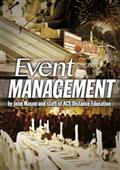
Event Management
Learn to plan and run events -parties, concerts, exhibitions, weddings, festivals etc. What is an event? An event is an occurrence, usually a special occasion. It can be either “a thing that just happens”; or a “planned social or public occasion”. An event is not always planned, but in the world of event management, the more planning that goes into an event, the smoother the event will run.
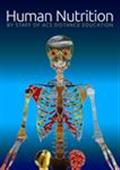
Human Nutrition
Both a text for students, or an informative read for anyone who wants to eat better. While covering the basics, the book approaches nutrition a little differently here to some other books, with sections covering ”Modifying diet according to Genetic Disposition or Lifestyle”, “How to find Reliable Information on Nutrition” and “Understanding how Diet relates to Different Parts of the Body” (including Urinary, Digestive, Respiratory and Circulatory System, the Brain, etc). This ebook was written to complement the ACS Nutrition I course, and provides a solid foundation for anyone wanting to grasp a fundamental understanding of Human Nutrition.
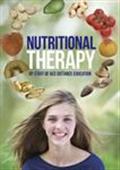
Nutritional Therapy
Discover how the way you eat can impact upon the affects of an illness. This book is unique, written by our health and nutritional scientists. Chapters cover: “Scope and Nature of Nutritional Therapy”, “How different factors Interact with Nutrition”, “Different Ways” and “Appropriate Therapeutic Responses for Different Health Issues” Thirty different conditions are covered from Mental Illness and Gastritis to Coeliac Disease and Osteoporosis.
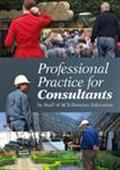
Professional Practice for Consultants
Explore becoming a consultant. This ebook contains chapters on how to be a consultant, packaging your services, delivering the services, building your resources, finding the work and getting the job, planning and ethics.